Pomeranian vs Chihuahua
This page is educational reference material for preparing questions. A licensed veterinarian examines the animal, makes the diagnosis, and sets the treatment.
Pomeranian vs Chihuahua — detailed comparison of size, temperament, exercise needs, health, and costs to help you choose the right breed.
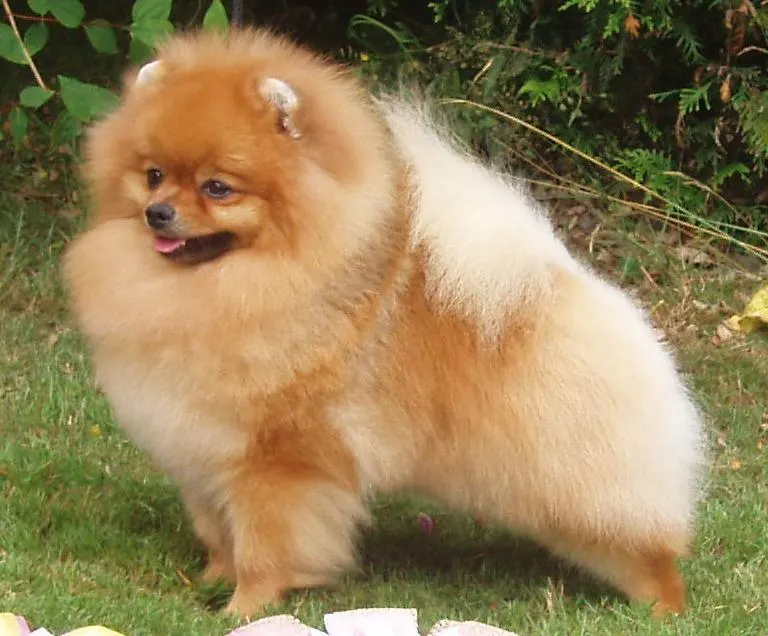
Personality Overview
The Pomeranian is known for being a moderate-energy toy breed with a distinctive personality. Their unique blend of traits makes them well-suited for the right owner and lifestyle.
Between the 3-7 lbs adult size and 12-16 yrs lifespan, the Pomeranian has enough breed-specific care considerations that early familiarity with them pays off throughout ownership. Below you'll find the key information organized by topic.
With Family Members
Breed data gives us statistical probabilities, not certainties — but those probabilities shape smart care decisions. Pomeranians with moderate energy levels strike a good balance between activity and relaxation.
- Size: small (3-7 lbs)
- Energy Level: Moderate
- Shedding: Heavy
- Lifespan: 12-16 yrs
With Other Pets
Care that accounts for breed predispositions leads to earlier detection and better prevention. For Pomeranians, the inputs that matter most are a small frame, a heavy shedding coat, and breed-level risk for luxating patella and collapsed trachea.
Pomeranian vs Chihuahua: Breed Comparison choices should be based on daily care workload, temperament fit, long-term health risk profile, and realistic household budget.
Energy & Activity
The key to a happy, healthy Pomeranian is matching your care approach to their breed characteristics. Lack of physical activity affects behavior before it affects weight — restlessness and attention-seeking often precede visible fitness changes.
Intelligence & Trainability
The details that distinguish this breed from similar breeds matter for long-term health and wellbeing. As a toy breed, the Pomeranian has instincts and behaviors shaped by centuries of selective breeding for specific tasks.
A Pomeranian blows its coat and can develop a collapsing trachea. A Chihuahua attaches to one person and needs dental care for most of its life.
Guarding Instincts
The difference between a manageable issue and a costly one is often just timing. Watch for early signs of luxating patella, maintain regular veterinary visits, and keep your dog at a healthy weight — excess weight worsens most of the conditions Pomeranians are prone to.
Pomeranian vs Chihuahua: Breed Comparison picking the right pet means honestly evaluating your time, budget, and willingness to meet species-specific needs.
Veterinary Care Schedule for Pomeranians
A regular vet schedule based on your Pomeranian's age and breed-specific risks is the best health investment you can make. Use this as a starting point — your vet may adjust based on individual health.
| Life Stage | Visit Frequency | Key Screenings |
|---|---|---|
| Puppy (0-1 year) | Every 3-4 weeks until 16 weeks, then at 6 and 12 months | Vaccinations, deworming, spay/neuter (consult AVMA guidelines on optimal timing) consultation |
| Adult (1-7 years) | Annually | Physical exam, dental check, heartworm test, vaccination boosters |
| Senior (7+ years) | Every 6 months | Blood work, urinalysis, Luxating Patella screening, Collapsed Trachea screening, Dental Disease screening |
Pomeranians should receive breed-specific screening for luxating patella starting at 3-5 years of age or earlier if symptoms appear. The earlier you know, the more you can do about it.
Cost of Pomeranian Ownership
Here is a realistic look at annual costs. Estimated annual costs for Pomeranian ownership.
More Pomeranian Guides
Explore related topics for Pomeranian ownership.
- Pomeranian Diet & Nutrition Guide
- Pomeranian Pet Insurance Cost
- How to Train a Pomeranian
- Pomeranian Grooming Guide
- Pomeranian Health Issues
- Pomeranian Temperament & Personality
- Pomeranian Exercise Needs
- Pomeranian Cost of Ownership
Common Questions
A grounded sense of this part of pet care puts you in a better position to make decisions the animal can actually feel. Watch your individual pet for feedback signals, and tune routines to the patterns you actually see.
What are the most important considerations for pomeranian vs chihuahua?
Understanding Pomeranian-specific needs helps you provide the best possible care. Research breed characteristics, health predispositions, and care requirements.
Pomeranian vs Chihuahua: Side-by-Side
Pomeranian and Chihuahua look superficially similar to new owners but differ in ways that matter for daily care. Pomeranian is larger at 3-7 lbs, while Chihuahua typically runs 2-6 lbs. That size gap shows up in feeding volume, crate size, vehicle space, and how much joint-stress management each dog needs over their lifetime.
Lifespan: Pomeranian typically lives 12-16 yrs; Chihuahua 14-16 yrs. Chihuahua generally has the longer-term care window, which affects insurance math and the point at which senior diagnostics become the dominant cost line.
Health watchlists differ. Both breeds share concerns around luxating patella, dental disease. Pomeranian carries additional risk for collapsed trachea. Chihuahua is more notably predisposed to heart disease. These aren’t guaranteed diagnoses — they’re the conditions responsible vets screen for, and they shape insurance underwriting more than most owners realize.
Grooming effort is meaningfully different: Pomeranian sheds at a heavy level, Chihuahua at light. That drives brush frequency, vacuum load, and whether the coat tolerates a week between sessions or demands daily attention during peak seasons.
| Factor | Pomeranian | Chihuahua |
|---|---|---|
| Size | small | small |
| Typical weight | 3-7 lbs | 2-6 lbs |
| Lifespan | 12-16 yrs | 14-16 yrs |
| Energy level | moderate | moderate |
| AKC group | toy | toy |
| Shedding | heavy | light |
| Health issues to watch | luxating patella, collapsed trachea, dental disease | luxating patella, heart disease, dental disease |
Which one fits your household?
If you have limited exercise time, a small yard, or regularly leave the dog alone for full workdays, weigh the Chihuahua more heavily on the exercise axis. If joint-disease genetics are a concern, the health row above matters more than size alone. Talk to breed-specific rescue groups for both breeds before committing — the people rehoming these dogs see the real-world behavior, not the breed-club brochure.