Conure Care Guide
Complete care guide for Sun Conures, Green Cheek Conures, and other conure species. Covers diet, housing, noise levels, and health care.
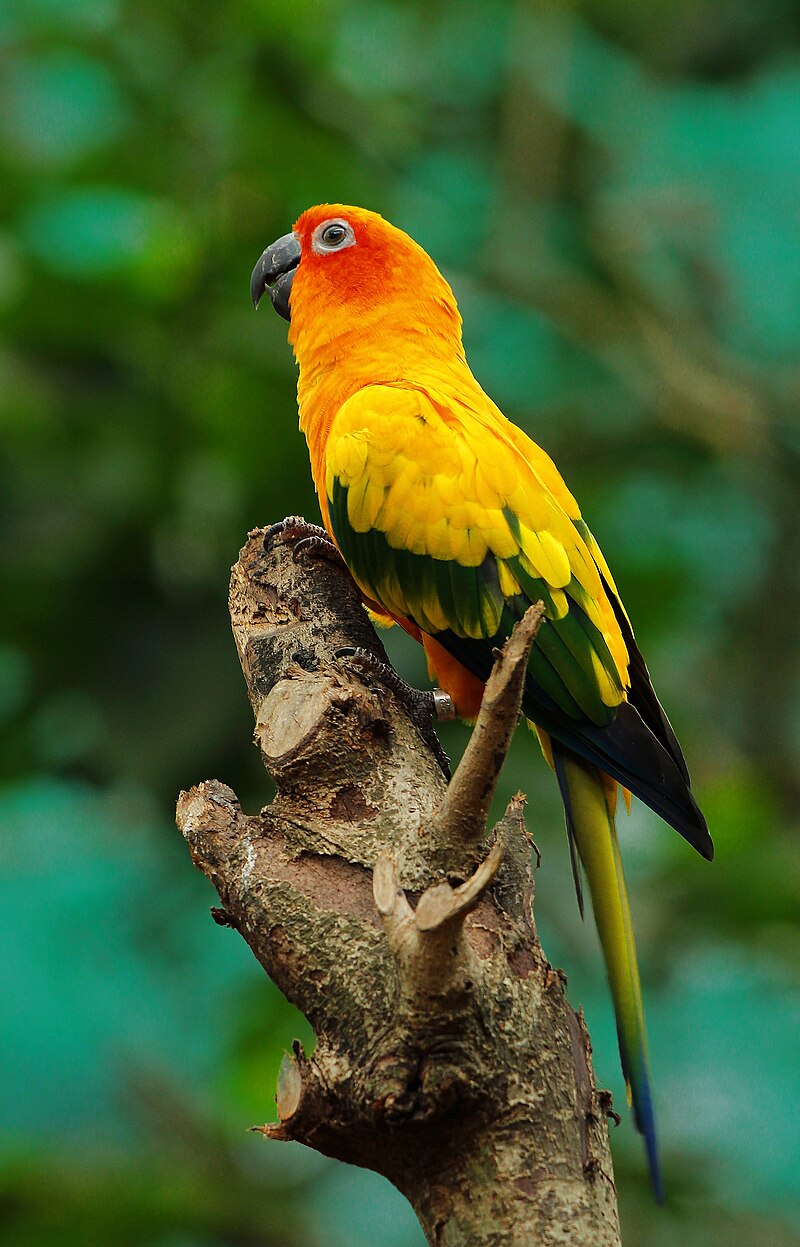
Housing and Enclosure
Conures need a cage at least 24"x24"x30" with 5/8 to 3/4 inch bar spacing. Provide sturdy toys (conures are vigorous chewers), foraging opportunities, swings, and multiple perches. Conures are highly social and need several hours of out-of-cage interaction daily. They enjoy sleeping in cozy tents or huts.
Diet and Nutrition
Feed a base of high-quality pellets (60-70%), supplemented with fresh fruits and vegetables daily. Conures enjoy a wider variety of fruits than many parrots. Offer nuts (almonds, walnuts) as training treats in moderation. Avoid avocado, chocolate, caffeine, and alcohol.
Health and Veterinary Care
Common conure health issues include Proventricular Dilatation Disease (PDD), Psittacine Beak and Feather Disease, feather plucking, and conure bleeding syndrome (in some species). Annual avian vet checkups are essential. Watch for weight loss, regurgitation, or changes in behavior.
Common Health Issues
- Metabolic bone disease: Often caused by inadequate UVB lighting or calcium supplementation
- Respiratory infections: Usually linked to incorrect temperature or humidity
- Parasites: Both internal and external parasites can affect exotic pets
- Nutritional deficiencies: Result from improper or monotonous diets
- Stress-related illness: Caused by improper housing, handling, or environmental factors
Handling and Socialization
- Allow new pets to acclimate to their enclosure before handling
- Learn proper handling techniques specific to your pet's species
- Start with short handling sessions and gradually increase duration
- Wash hands before and after handling to prevent disease transmission
- Respect your pet's signals — not all exotic pets enjoy being handled
Are conures good for first-time bird owners?
Some exotic pets are excellent for beginners (leopard geckos, corn snakes, budgies, betta fish) while others require advanced experience (chameleons, macaws, saltwater aquariums). Research thoroughly before committing.
How much do exotic pets cost to care for?
Initial setup costs (enclosure, lighting, heating) are usually the largest expense, ranging from $100-$1,000+. Ongoing costs for food, substrate, and veterinary care typically run $30-$100/month.