Ghost Shrimp
This page is educational reference material for preparing questions. A licensed veterinarian examines the animal, makes the diagnosis, and sets the treatment.
Affiliate links may earn a commission. Affiliate disclosure.
Quick Facts
| Attribute | Details |
|---|---|
| Scientific Name | Palaemonetes paludosus |
| Origin | North America |
| Size | 1.5-2 inches (4-5 cm) |
| Lifespan | 1-1.5 years |
| Care Level | Very Easy |
| Tank Size | 5+ gallons |
| Temperature | 65-82°F (18-28°C) |
| pH Range | 7.0-8.0 |
| Breeding | Moderate (larvae need special care) |
Recommended for Ghost Shrimp
Chewy - Shrimp foods & supplies | Aquarium Co-Op - Sponge filters & plants | Petco - Ghost shrimp & supplies
Overview
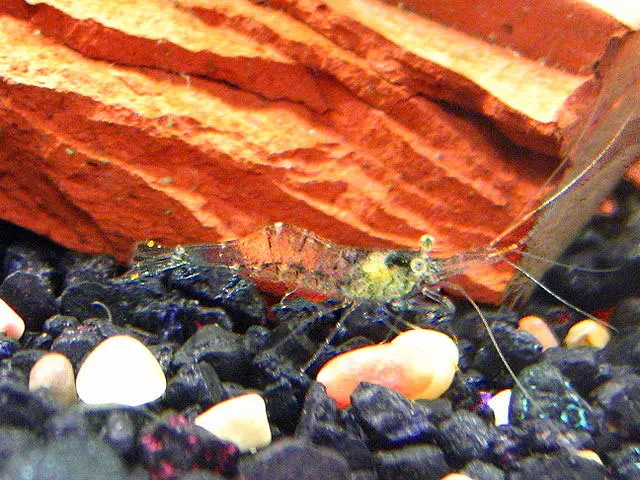
Ghost Shrimp (Palaemonetes paludosus), also known as Glass Shrimp, are one of the most affordable and readily available freshwater invertebrates in the aquarium hobby. Their transparent bodies allow you to observe their internal organs, including watching food pass through their digestive system.
Native to North American freshwater habitats, Ghost Shrimp are incredibly hardy and serve multiple roles in the aquarium: cleanup crew, interesting observation subjects, or feeder animals for larger fish. Their low cost and easy care make them perfect for beginners.
Ghost shrimp in the pet trade are usually Palaemonetes, often Palaemonetes paludosus, a small freshwater shrimp from North America. They are not the marine cleaner shrimp and they are not an Amano. Adults reach about 1.5 to 2 inches and live 1 to 1.5 years. The card allows a tank as small as 5 gallons. They want 70 to 80°F, pH 7.0 to 8.0, general hardness 5 to 15 dGH, and carbonate hardness 3 to 10 dKH. Care is marked very easy. The short life and the sloppy labeling are the catches.
Very easy means a hardy scavenger that will eat leftover flakes, a pellet, and soft algae, and that tolerates a range of ordinary tap water. It does not mean the shrimp is a cleaner you can forget. A ghost shrimp in a bare, overfed tank becomes part of the waste problem. A ghost shrimp in a tank with hungry fish becomes food. Bettas, angelfish, and any cichlid will take them. They are sold as feeders for a reason. If you wanted a shrimp that lives out its year and a half, house it with fish that ignore a 2-inch transparent animal, or house it alone.
Ghost Shrimp stable water parameters, appropriately measured feeding, and a consistent quarantine protocol carry most of the welfare signal; these factors drive outcomes more than brand-name products.
Natural Habitat
Ghost Shrimp are native to North American waterways.
- Range: Eastern United States, particularly Gulf Coast and Atlantic drainage
- Environment: Freshwater streams, ponds, lakes, and ditches
- Substrate: Sandy or muddy bottoms with vegetation
- Behavior: Often found among aquatic plants and debris
Tank Requirements
Setting up a Ghost Shrimp habitat.
- Tank Size: Minimum 5 gallons; larger for colonies
- Substrate: Sand or fine gravel preferred
- Filtration: Sponge filter ideal; intake covers on HOB filters
- Plants: Live or artificial plants for hiding
- Decor: Driftwood, rocks, and caves for shelter
- Lighting: Standard aquarium lighting
Water Parameters
Ghost Shrimp are highly adaptable: Your aquatic veterinarian and experienced Ghost Shrimp owners can offer perspective tailored to your situation.
| Parameter | Ideal Range |
|---|---|
| Temperature | 70-80°F (21-27°C) |
| pH | 7.0-8.0 |
| GH (General Hardness) | 5-15 dGH |
| KH (Carbonate Hardness) | 3-10 dKH |
| Ammonia | 0 ppm |
| Nitrite | 0 ppm |
| Nitrate | <30 ppm |
Acclimation Important
Despite their hardiness, Ghost Shrimp sold as feeders may be stressed from poor conditions. Drip acclimate for 1-2 hours and expect some initial losses when purchasing from feeder bins.
Diet & Feeding
Ghost Shrimp are opportunistic omnivores: Your aquatic veterinarian and experienced Ghost Shrimp owners can offer perspective tailored to your situation.
- Detritus: Primary natural food source - decaying matter
- Algae: Will graze on algae but less effective than other species
- Commercial Foods: Sinking pellets, algae wafers, shrimp foods
- Protein: Frozen or freeze-dried bloodworms, brine shrimp
- Vegetables: Blanched zucchini, spinach, cucumber
- Fish Food: Eagerly eat leftover flake and pellet foods
Feeding Tip: Their transparent bodies allow you to see if they're well-fed - look for food in their digestive tract.
Some animals sold as ghost shrimp are Macrobrachium, larger long-arm prawns that hunt other shrimp and small fish. Look at the arms. Palaemonetes stay modest. A ghost shrimp with heavy claws and a body already past 2 inches in the shop may be the other animal, and it will not stay peaceful in a 5-gallon tank. Ask, and assume a mixed cup from a feeder tank is a gamble. Quarantine is also how you avoid introducing the planaria, hydra, and dragonfly nymphs that ride in with feeder shrimp.
Behavior & Temperament
Ghost Shrimp behaviors to observe.
- Generally Peaceful: Usually ignore tankmates
- Occasional Aggression: May attack small fish or weak tankmates
- Scavenging: Constantly search for food particles
- Swimming: Can swim rapidly when startled
- Molting: Regular molting as they grow; may hide during process
- Cleaning: Groom themselves and each other
Breeding is marked moderate, and the larvae need special care. A female can carry eggs. The young that hatch are not miniature adults the way cherry shrimp young are. They go through a larval stage that most display tanks do not raise. Do not buy ghosts expecting a colony. Buy the number of adults you want to watch, and expect to replace them inside a year or two. One to 1.5 years is the whole span on the card. A shrimp that lives past that is a bonus, not the plan.
They molt, they are clear, and a cast shell looks like a dead shrimp until you count heads. A copper treatment meant for fish is lethal to these shrimp, and so is a neglected ammonia spike in the 5-gallon minimum, which has no room for a mistake. Very easy is fair in a stable, fish-free, or fish-safe tank with a little food and a lid, because they can climb an airline. It is not fair in a reef tank, where this species does not belong, or in a bowl of feeder water that was never cycled. The marine cleaner with the red stripe is a different page and a different salt.
Compatibility
Ghost Shrimp tankmate considerations.
Good Tankmates
- Small, peaceful community fish
- Corydoras catfish
- Otocinclus
- Small tetras and rasboras
- Snails
- Other shrimp species
Avoid or Use Caution
- Large fish (will eat Ghost Shrimp)
- Cichlids (including angelfish)
- Bettas (may attack shrimp)
- Very small fish fry (Ghost Shrimp may prey on them)
- Crayfish and crabs
Breeding
Ghost Shrimp breeding requires effort.
- Sexing: Females larger with visible green saddle (eggs)
- Mating: Males fertilize eggs as female molts
- Egg Carrying: Female carries 20-30 green eggs under tail
- Development: Eggs develop for 2-3 weeks
- Larvae: Hatch as free-swimming larvae (not miniature shrimp)
- Larval Care: Need separate tank, brackish water, and microscopic foods
- Metamorphosis: After 1-2 weeks, transform into juvenile shrimp
Breeding Challenge
Unlike Cherry Shrimp, Ghost Shrimp larvae require special care including brackish water conditions and infusoria or liquid fry food. Without intervention, larvae will be eaten or die in freshwater community tanks.
Health Issues
Common Ghost Shrimp health concerns: Your aquatic veterinarian and experienced Ghost Shrimp owners can offer perspective tailored to your situation.
- Molting Problems: Failed molts from mineral deficiency or stress
- Bacterial Infections: Cloudy or milky appearance
- Parasites: Horsehair worms sometimes visible through body
- Stress Deaths: Common with feeder-quality shrimp
- Short Lifespan: Natural lifespan of only 1-1.5 years
- Vorticella: Fuzzy white growths on body or legs
Feeder Shrimp Considerations
Ghost Shrimp are commonly sold as feeders.
- Nutrition: Good protein source for larger fish
- Gut Loading: Feed nutritious foods before offering as prey
- Quality: Feeder bins often have stressed, unhealthy specimens
- Quarantine: Consider quarantine to avoid introducing diseases
- Ethics: Some keepers raise them specifically as feeders
Ghost Shrimp Are Perfect For:
- Beginners to invertebrate keeping
- Budget-conscious aquarists
- Tank cleanup crews
- Educational observation (transparent body)
- Feeder animal production
- Testing tank safety before expensive shrimp
Ghost Shrimp May Not Be Ideal For:
- Those wanting long-lived pets
- Tanks with very small fish fry
- Keepers wanting easy breeding
- Show-quality display tanks
Adding a Ghost Shrimp to your setup works best when you have honestly evaluated your tank size, maintenance habits, and budget.
Experienced Ghost Shrimp keepers will tell you that the learning curve is steepest in the first few months. After that, maintenance becomes routine.
Cost of Ownership
Related Species
If you're interested in Ghost Shrimp, consider these related species.
- Cherry Shrimp - Colorful, easy breeding
- Amano Shrimp - Better algae eaters
- Bamboo Shrimp - Interesting filter feeders
- Blue Velvet Shrimp - Hardy and colorful
Ask Our AI About Ghost Shrimp
Have specific questions about Ghost Shrimp care, breeding, or compatibility? Our AI assistant can provide personalized guidance.
Get Personalized AI Guidance
Ask Our AI NowDecision Guides for Ghost Shrimp
Use these only when comparing food, insurance, ownership budget, or beginner fit for this specific pet.
Ghost shrimp, Palaemonetes, are inexpensive freshwater shrimp that fish will eat if the shrimp is small and the fish has a wide mouth. They scavenge leftovers and need a mature tank, a sponge over the filter intake, and a pinch of food of their own. A dead shrimp left in a warm tank is an ammonia source by the next morning.