Bamboo Shrimp
This page is educational reference material for preparing questions. A licensed veterinarian examines the animal, makes the diagnosis, and sets the treatment.
Affiliate links may earn a commission. Affiliate disclosure.
Quick Facts
| Attribute | Details |
|---|---|
| Scientific Name | Atyopsis moluccensis |
| Origin | Southeast Asia |
| Size | 2-3 inches (5-8 cm) |
| Lifespan | 5-8 years |
| Care Level | Intermediate |
| Tank Size | 20+ gallons |
| Temperature | 68-85°F (20-29°C) |
| pH Range | 6.5-7.5 |
| Breeding | Very Difficult (requires brackish larvae stage) |
Recommended for Bamboo Shrimp
Chewy - Powdered shrimp foods | Aquarium Co-Op - Quality filters & equipment | Buce Plant - Mosses and plants
Overview
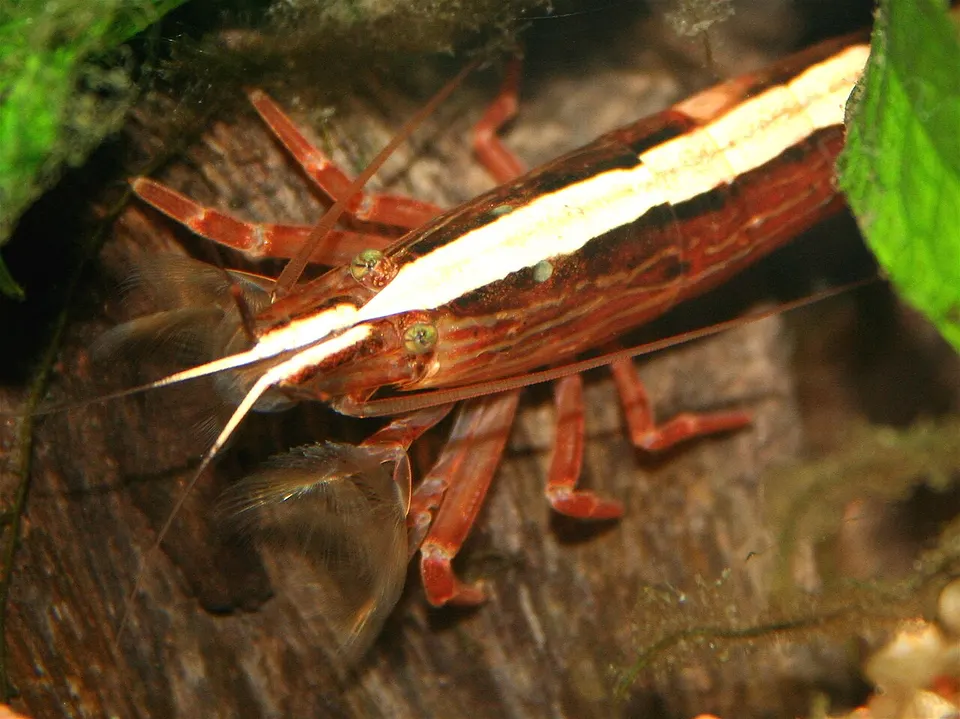
Bamboo Shrimp (Atyopsis moluccensis), also known as Wood Shrimp, Flower Shrimp, or Singapore Shrimp, are fascinating filter-feeding invertebrates that capture microscopic food particles from the water column using specialized fan-like appendages.
These impressive shrimp are among the largest commonly available freshwater shrimp, reaching up to 3 inches. Their unique feeding behavior - extending feathery fans into the current to catch food particles - makes them one of the most interesting invertebrates to observe in the home aquarium.
Bamboo shrimp are Atyopsis moluccensis, the fan shrimp from Southeast Asia. Adults reach 2 to 3 inches and live 5 to 8 years, a long life for a freshwater shrimp. Give a fan shrimp at least 20 gallons. They are filter feeders. The fans on the front limbs open in a current and strain fine particles out of the water. A shrimp sitting in a still corner with its fans folded is a shrimp that is not eating.
Keep them at 74 to 82°F, pH 6.5 to 7.5, general hardness 6 to 15 dGH, and carbonate hardness 3 to 10 dKH. The card also asks for high oxygen and a well-aerated tank, which fits an animal that stands in a flow. Keep ammonia and nitrite at zero, and hold nitrate under 20 ppm, or the fans stay closed even when the current looks right. A powerhead or the outflow of a filter, aimed so the shrimp can perch in it, is part of the furniture. A bare tank with a huge filter and crystal-clear water is how these shrimp starve.
Natural Habitat
Bamboo Shrimp originate from flowing waters in Southeast Asia: Your aquatic veterinarian and experienced Bamboo Shrimp owners can offer perspective tailored to your situation.
- Range: Sri Lanka, Malaysia, Indonesia, Philippines
- Environment: Fast-flowing streams and rivers
- Position: Perch on rocks and wood in current to filter feed
- Water: Clean, well-oxygenated water with moderate to strong flow
Tank Requirements
Creating the ideal Bamboo Shrimp environment requires attention to flow.
- Tank Size: Minimum 20 gallons for adequate current zones
- Flow: Strong water movement is ESSENTIAL - they need current to feed
- Substrate: Any type; they don't forage on the bottom when healthy
- Decor: Rocks, driftwood, or plants positioned in current for perching
- Filtration: Powerheads or strong filters to create flow zones
- Plants: Optional but provide additional surfaces and oxygen
Water Parameters
Bamboo Shrimp prefer clean, well-oxygenated water.
| Parameter | Ideal Range |
|---|---|
| Temperature | 74-82°F (23-28°C) |
| pH | 6.5-7.5 |
| GH (General Hardness) | 6-15 dGH |
| KH (Carbonate Hardness) | 3-10 dKH |
| Ammonia | 0 ppm |
| Nitrite | 0 ppm |
| Nitrate | <20 ppm |
| Oxygen | High (well-aerated) |
Critical: Water Flow
Bamboo Shrimp MUST have adequate water current. If your shrimp is constantly foraging on the substrate instead of fan-feeding, this indicates inadequate flow or insufficient food in the water column.
Diet & Feeding
Bamboo Shrimp are filter feeders with specialized needs.
- Filter Feeding: Primary method - capture particles from water current
- Powdered Foods: Spirulina powder, ground flakes, baby shrimp food
- Natural Foods: Microorganisms, phytoplankton, fine detritus
- Target Feeding: Use a pipette to release powder upstream of the shrimp
- Frequency: 2-3 times daily in tanks with low natural particulates
Warning Sign: If your Bamboo Shrimp is constantly scavenging on the bottom, it's not getting enough food from filter feeding. Increase flow and supplemental feeding.
The food has to be suspended. Crushed flake, powdered fry food, or a bit of spirulina dusted into the current reaches the fans. A pellet that drops straight to the sand does not. They are not algae-eating Amano shrimp, and they will not clean a planted tank. In a tank that is over-filtered and never fed fine food, they slowly empty out. A starving bamboo shrimp looks pale, stays in a low-flow spot, and stops opening the fans. By the time that is obvious, the animal is hard to bring back.
Behavior & Temperament
- Fan Feeding: Extend specialized fans into current to catch food
- Perching: Find favorite spots in strong current zones
- Peaceful: Completely non-aggressive toward all tankmates
- Nocturnal Tendency: May be more active during evening hours
- Color Changes: Can vary from tan to reddish-brown to blue-gray
- Molting: Hide during vulnerable molting periods
Breeding is marked very difficult because the larvae need brackish water, the same wall Amano shrimp hit. Adults live and feed in freshwater. A female with eggs is not about to stock the tank with babies you can raise beside her. Plan on the adults you bought, not on a colony. One shrimp can live alone. Two or three in a 20-gallon tank need more than one perch in the current or they will crowd the same outflow and the smaller one will stop feeding.
Care level is intermediate because of the feeding, not because the water is exotic. Five to 8 years only happens if the fans stay busy. Add the shrimp to a tank that already has a little suspended debris and a place to stand in the flow. A brand-new, brilliantly clear setup with a canister filter and no target feeding is the setup that kills them while the fish look fine.
The plan reveals itself under use — keep what is working, trim what is not.
Compatibility
Bamboo Shrimp are peaceful with almost all tankmates.
Ideal Tankmates
- Peaceful community fish (tetras, rasboras, danios)
- Corydoras and other peaceful bottom dwellers
- Other shrimp species
- Snails
- Small plecos and otocinclus
- Peaceful loaches
Avoid
- Large, aggressive fish
- Cichlids (even small ones)
- Crayfish and large crabs
- Any fish that might harass or eat them
Breeding
Bamboo Shrimp breeding is extremely challenging: Health and behavior metrics for a Bamboo Shrimp. A bamboo shrimp is a filter feeder. It fans the current and starves in a still, too-clean tank with nothing suspended to eat. Breeding them in a home aquarium almost never works because the larvae need saltwater conditions the adult tank does not provide. Give them flow, a mature tank, and supplemental powdered food if the water is too polished. A shrimp that never fans is hungry.
- Sexing: Males have larger first pair of legs; females have rounder abdomen
- Mating: Occurs in freshwater
- Eggs: Female carries thousands of tiny eggs
- Larvae: Hatch as microscopic planktonic larvae
- Brackish Requirement: Larvae need brackish water to develop
- Development Time: Several months in proper conditions
- Success Rate: Very few hobbyists have succeeded
Breeding Difficulty
Successfully raising Bamboo Shrimp larvae requires specialized facilities, precise salinity control over months, and microscopic foods. Nearly all Bamboo Shrimp in the hobby are wild-caught. Captive breeding remains extremely rare.
Health Issues
Common health concerns for Bamboo Shrimp: Every Bamboo Shrimp benefits from an owner willing to dig below surface-level recommendations.
- Starvation: Most common issue - provide adequate flow and supplemental feeding
- Molting Problems: Ensure proper calcium and stable parameters
- Bacterial Infections: Often from poor water quality
- Stress: From harassment or inadequate environment
- Parasites: Vorticella and other external parasites
Signs of Health
- Active fan-feeding behavior
- Good coloration (not pale)
- Responsive to stimuli
- Regular molting
- Perching in current rather than hiding or bottom-scavenging
Bamboo Shrimp three disciplines determine outcomes: keeping parameters stable, measuring feed portions, and quarantining new livestock thoroughly; these factors drive outcomes more than brand-name products.
Is This Species Right for You?
If you are optimizing a Bamboo Shrimp's routine, this is one of the higher-leverage items to get right early.
Bamboo Shrimp Are Perfect For:
- Aquarists fascinated by unique feeding behaviors
- Tanks with strong water movement
- Keepers willing to target-feed
- Those wanting long-lived invertebrates
- Community tanks with peaceful fish
Bamboo Shrimp May Not Be Ideal For:
- Low-flow or still water tanks
- Nano tanks (need 20+ gallons)
- Those wanting hands-off feeding
- Tanks with aggressive fish
- Keepers wanting to breed shrimp
Before committing to a Bamboo Shrimp, think less about whether this species is "easy" or "hard" and more about whether your setup matches its specific needs. A species rated as easy can still fail in the wrong environment.
A bamboo shrimp is a filter feeder. The fans stay folded, and the animal starves, in a still tank with nothing in the water column to catch. Give it a gentle current and fine foods meant to stay suspended, not only a wafer on the gravel. Copper and many invertebrate-unsafe medicines kill it. It will molt and hide, and it will not clean the glass. A bamboo shrimp that never opens its fans is the husbandry problem to fix, usually flow and food, before you decide the shrimp is old. Buy one for a mature tank, not a brand-new aquarium.
Cost of Ownership
These Bamboo Shrimp cost estimates give you a solid starting point, but real-world expenses vary by location, health status, and personal choices. Building in some buffer for unplanned expenses is always a good idea.
A short stretch of deliberate repetition is usually enough to bed the habit in for the long haul.
Related Species
If you're interested in Bamboo Shrimp, consider these related species.
- Amano Shrimp - Easier care, algae eaters
- Ghost Shrimp - Beginner-friendly option
- Cherry Shrimp - Colorful, easy breeding
- Vampire Crab - Another unique invertebrate
Ask Our AI About Bamboo Shrimp
Have specific questions about Bamboo Shrimp care, feeding, or tank setup? Our AI assistant can provide personalized guidance.
Get Personalized AI Guidance
Ask Our AI NowDecision Guides for Bamboo Shrimp
Use these only when comparing food, insurance, ownership budget, or beginner fit for this specific pet.
Bamboo shrimp, Atyopsis, are fan feeders. They sit in a current and open fans to catch fine particles, so a tank with still water and only a large wafer leaves them hungry. Powdered food, a stream from the filter, and a mature biofilm are the meal. They need brackish water as larvae.