Amano Shrimp
This page is educational reference material for preparing questions. A licensed veterinarian examines the animal, makes the diagnosis, and sets the treatment.
Affiliate links may earn a commission. Affiliate disclosure.
Quick Facts
| Attribute | Details |
|---|---|
| Scientific Name | Caridina multidentata |
| Origin | Japan, Taiwan, Korea |
| Size | 2 inches (5 cm) |
| Lifespan | 2-3 years |
| Care Level | Easy |
| Tank Size | 10+ gallons |
| Temperature | 64-80°F (18-27°C) |
| pH Range | 6.5-7.5 |
| Breeding | Very Difficult (requires brackish water) |
Recommended for Amano Shrimp
Chewy - Quality shrimp foods | Aquarium Co-Op - Plants & driftwood | Buce Plant - Live aquatic plants
Overview
Amano Shrimp (Caridina multidentata), named after legendary aquascaper Takashi Amano who popularized their use, are the gold standard for algae control in planted aquariums. These larger shrimp are voracious algae eaters, capable of consuming problem algae that other species won't touch.
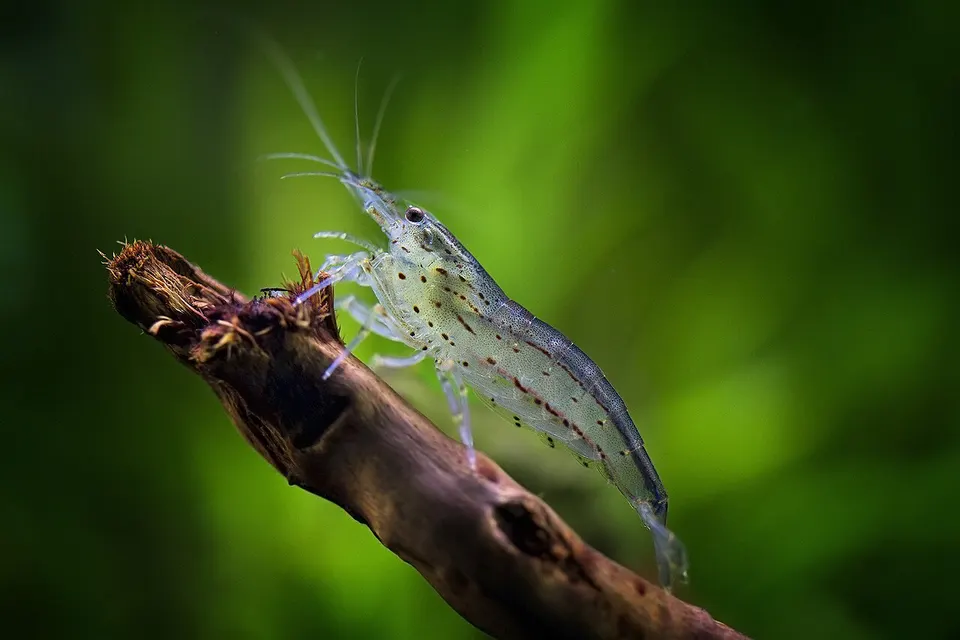
Known for their translucent bodies adorned with distinctive dots and dashes, Amano Shrimp are hardy, long-lived, and peaceful additions to community tanks. While they don't breed in freshwater, their exceptional algae-eating abilities and interesting behavior make them aquarium favorites worldwide.
Amano shrimp are Caridina multidentata, the algae shrimp popularized by Takashi Amano. Adults reach about 2 inches and live 2 to 3 years. Wild animals come from Japan, Taiwan, and Korea. They are not cherry shrimp, and they are not the clear feeder shrimp sold as ghosts. A planted tank of at least 10 gallons, already running long enough to grow a little algae and biofilm, is the setup they actually work in. A sterile new tank has nothing for them to eat.
Keep the adults in freshwater. The table range is 70 to 78°F, pH 6.5 to 7.5, general hardness 6 to 8 dGH, and carbonate hardness 3 to 6 dKH. Nitrate under 20 ppm, with ammonia and nitrite at 0 ppm, matters more than hitting a single perfect pH. They do well with small peaceful fish. A cichlid large enough to inhale a 2-inch shrimp will do exactly that. Copper medications sold for fish parasites kill Caridina. If a tankmate needs copper, the shrimp have to leave first.
They are freshwater algae eaters. Hair algae and the film on wood and older leaves are the foods they are bought for. They will not erase a tank that is already choked with black beard algae in a weekend, and they will starve in a spotless tank where nobody feeds them. A sinking pellet or a slice of blanched zucchini, offered after the lights go out, is the backup ration when the glass is already clean. They are poor at competing with fast fish for flakes that never reach the bottom.
Natural Habitat
Amano Shrimp inhabit a unique ecological niche.
- Adult Habitat: Freshwater streams and rivers in Japan, Taiwan, and Korea
- Larvae Requirement: Must reach brackish/marine water to develop
- Environment: Clear, well-oxygenated streams with rocky substrates
- Migration: Juveniles migrate upstream after metamorphosis
Tank Requirements
- Tank Size: Minimum 10 gallons; larger groups need more space
- Substrate: Any type; prefer tanks with algae growth surfaces
- Filtration: Good filtration with moderate flow; they appreciate current
- Plants: Heavily planted tanks with algae growth opportunities
- Hiding Spots: Driftwood, rocks, and plant cover for molting privacy
- Lid: Essential - Amano Shrimp are known escape artists
Water Parameters
Amano Shrimp tolerate a wide range but prefer.
| Parameter | Ideal Range |
|---|---|
| Temperature | 70-78°F (21-26°C) |
| pH | 6.5-7.5 |
| GH (General Hardness) | 6-8 dGH |
| KH (Carbonate Hardness) | 3-6 dKH |
| Ammonia | 0 ppm |
| Nitrite | 0 ppm |
| Nitrate | <20 ppm |
Copper Sensitivity
Like all shrimp, Amanos are highly sensitive to copper. Avoid copper-based medications and check fertilizer ingredients carefully. Even small amounts can be fatal.
Diet & Feeding
Amano Shrimp are exceptional algae eaters with varied diets: Your aquatic veterinarian and experienced Amano Shrimp owners can offer perspective tailored to your situation.
- Algae: Their primary purpose - consume hair algae, brush algae, and more
- Biofilm: Constantly graze on biofilm throughout the tank
- Detritus: Clean up decaying plant matter and uneaten food
- Commercial Foods: Algae wafers, shrimp pellets, and sinking foods
- Blanched Vegetables: Zucchini, spinach, and other greens
- Protein: Occasional meaty foods like bloodworms
Note: Well-fed Amanos may ignore algae. For maximum algae control, feed sparingly.
Amano Shrimp sustained welfare comes from parameter discipline, measured nutrition, and proper quarantine — not from ad-hoc intervention; these factors drive outcomes more than brand-name products.
Behavior & Temperament
Amano Shrimp display interesting behaviors.
- Peaceful: Non-aggressive but assertive during feeding
- Bold: More confident than smaller shrimp species
- Food Competitive: Known to "steal" food and run away with it
- Escape Artists: May climb out of uncovered tanks, especially at night
- Nocturnal Activity: More active during evening and night hours
- Molting: Hide for 24-48 hours after molting while shell hardens
Breeding is the claim that goes wrong in freshwater. Females will carry eggs. The larvae that hatch need salt water to develop. They do not grow up in the display tank. The care card marks breeding very difficult for that reason. A keeper who wants babies that survive in the same water as the adults should be looking at Neocaridina, not at an Amano female with a dark saddle of eggs. She can drop a cloud of larvae and the adult count will not change.
Buy a group. One shrimp in a 10-gallon tank sits on one leaf and does little visible grazing. A half dozen will work the moss, the wood, and the back glass. A clear shell on the sand is a molt, not a corpse, if the same number of eyed shrimp is still walking around. A whole group dead after a water change is a parameter swing or a copper residue, not bad luck. The adult animal is listed as easy. Raising the larvae is the part that is not.
Compatibility
Amano Shrimp's larger size provides more tankmate options.
Good Tankmates
- Most community fish (tetras, rasboras, livebearers)
- Corydoras and other peaceful bottom dwellers
- Small to medium gouramis
- Other shrimp species (Cherry, Ghost)
- Snails of all types
- Peaceful loaches (Kuhli loaches)
Avoid
- Large cichlids
- Aggressive fish (puffers, large bettas)
- Crayfish and crabs
- Fish large enough to swallow them whole
Breeding
Amano Shrimp breeding is notoriously challenging.
- Freshwater Mating: Adults mate readily in freshwater aquariums
- Egg Bearing: Females carry hundreds of tiny green eggs
- Larvae: Hatch as free-swimming larvae (not miniature shrimp)
- Brackish Requirement: Larvae require brackish to marine water to survive
- Development: Takes 4-6 weeks in saltwater before metamorphosis
- Migration: Must be transitioned back to freshwater after metamorphosis
Breeding Difficulty
Successfully raising Amano Shrimp larvae requires specialized setups, precise salinity management, and microscopic foods like marine phytoplankton. Most hobbyists purchase wild-caught or commercially bred specimens instead.
Health Issues
Common health concerns for Amano Shrimp.
- Molting Problems: Usually caused by mineral deficiencies or parameter swings
- Bacterial Infections: Often appear as milky/opaque coloration
- Parasites: Vorticella and other external parasites
- Stress: Can cause color changes and reduced activity
- Old Age: May develop orange/rust coloration near end of life
Is This Species Right for You?
Experienced Amano Shrimp owners often cite this as the factor they wish they had taken more seriously at the start.
Amano Shrimp Are Perfect For:
- Planted tank enthusiasts battling algae
- Community tanks with peaceful fish
- Aquascapers following Amano's Nature Aquarium style
- Those wanting hardy, long-lived shrimp
- Keepers not interested in breeding shrimp
Amano Shrimp May Not Be Ideal For:
- Those wanting to breed shrimp easily
- Small tanks under 10 gallons
- Uncovered aquariums (escape risk)
- Tanks with aggressive fish
Aquarium keeping is a hobby of specifics, and Amano Shrimp is no exception.
If you can commit to the maintenance schedule and the initial investment in proper equipment, an Amano Shrimp is likely to reward you with an engaging, long-term addition to your aquarium.
Cost of Ownership
Planning ahead financially is one of the most practical things you can do before getting an Amano Shrimp. Amano Shrimp care costs are real and ongoing.
Related Species
If you're interested in Amano Shrimp, consider these related species.
- Cherry Shrimp - Easier breeding, colorful
- Ghost Shrimp - Affordable, good cleaners
- Bamboo Shrimp - Filter feeders, larger size
- Crystal Red Shrimp - Beautiful patterns
Ask Our AI About Amano Shrimp
Have specific questions about Amano Shrimp care, algae control, or compatibility? Our AI assistant can provide personalized guidance.
Get Personalized AI Guidance
Ask Our AI NowDecision Guides for Amano Shrimp
Use these only when comparing food, insurance, ownership budget, or beginner fit for this specific pet.
Amano shrimp, Caridina multidentata, are algae grazers from Japan and Taiwan. Adults live in freshwater and fan biofilm, while their larvae need brackish water to develop, so a home colony does not replace itself the way Neocaridina do. Give them a mature planted tank and a powdered food they can pick through.