Komondor
This page is educational reference material for preparing questions. A licensed veterinarian examines the animal, makes the diagnosis, and sets the treatment.
Affiliate links may earn a commission. Affiliate disclosure.
Quick Facts
| Attribute | Details |
|---|---|
| Breed Group | Working |
| Size | Giant (80-100+ lbs) |
| Height | 25.5-27.5+ inches |
| Lifespan | 10-12 years |
| Temperament | Loyal, Protective, Independent |
| Good with Kids | Good (with family children) |
| Good with Other Dogs | Moderate (can be dominant) |
| Shedding | Low (but extensive coat care) |
| Exercise Needs | Moderate (30-60 minutes daily) |
| Trainability | Moderate (independent thinker) |
Recommended for Komondors
The Farmer's Dog - Fresh food for giant breeds | Embark DNA - Health screening for genetic conditions | Spot Insurance - Covers hereditary conditions such as hip dysplasia if not pre-existing
Komondor Overview
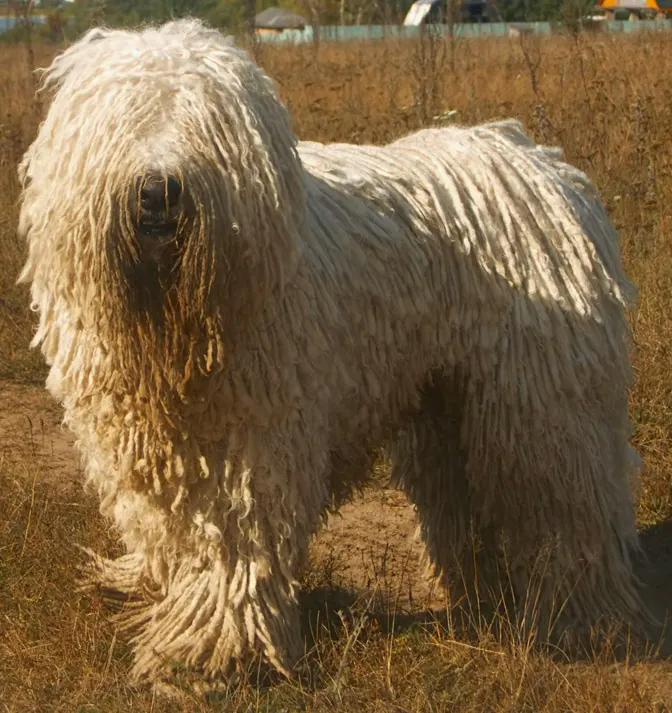
The Komondor (plural: Komondorok) is one of Hungary's national treasures, an ancient livestock guardian breed instantly recognizable by their distinctive corded coat. Often called the "mop dog," the Komondor's unique appearance serves a practical purpose: the heavy cords protect against predator bites and harsh weather.
For centuries, Komondorok have guarded sheep on the Hungarian plains, living with their flocks and independently protecting them from wolves, bears, and human thieves. Their white coat allowed them to blend with the sheep while their imposing size deterred predators. Today, they remain working livestock guardians and devoted family protectors.
The Komondor is a breed that commands attention not just for its physical appearance but for the depth of personality and capability it brings to a household. With a lifespan averaging 10-12 years, the decision to welcome a Komondor into your family is one that will shape your daily routine, activity levels, and emotional life for well over a decade. This breed's loyal, protective, independent temperament is the product of generations of selective breeding for specific traits—understanding this heritage provides valuable insight into why your Komondor behaves the way it does and what it needs from you as an owner to truly thrive.
The difference between a good Komondor owner and a great one comes down to understanding what this particular animal actually needs, rather than projecting assumptions based on appearance or general expectations. Every Komondor has traits rooted in its background that influence behavior, health, and daily care requirements.
A Komondor is a livestock guardian in cords that take years to form and hours to dry. They are wary of strangers. Hips and bloat are the giant-dog risks. This is not a mop that lives on a couch. If you do not already keep guardian dogs, do not start with the cords.
Temperament & Personality
Komondors are serious, devoted guardians with distinct characteristics.
- Fiercely Protective: Their guarding instinct is deeply ingrained; they take protection seriously.
- Independent: Bred to make decisions without human guidance; they may not always comply with commands.
- Calm but Alert: They appear relaxed but are always aware of their surroundings.
- Devoted to Family: Form strong bonds with their family unit but are reserved with strangers.
- Territorial: They consider their home and property their responsibility to protect.
The loyal, protective, independent nature of the Komondor is not a simple personality label—it is a complex behavioral profile shaped by breed history, individual genetics, early socialization experiences, and ongoing environmental factors. What this means in practice is that two Komondor from different lines, raised in different environments, can display meaningfully different behavioral tendencies while still sharing core breed characteristics.
Common Health Issues
Komondors are generally healthy but have some breed-specific concerns.
hip and joint issues
- Hip Dysplasia: Common in large breeds; affects approximately 15-20% of Komondors. OFA screening essential.
- Elbow Dysplasia: Can cause front leg lameness.
- Osteochondritis Dissecans (OCD): Cartilage disorder affecting joints.
Eye Conditions
- Entropion: Eyelid rolls inward, causing irritation; may need surgical correction.
- Cataracts: Can develop with age.
Other Concerns
- Bloat (GDV): Life-threatening stomach condition; giant breeds are at highest risk.
- Skin Issues: Coat can trap moisture leading to skin infections if not properly maintained.
- Ear Infections: Heavy, covered ears can trap moisture and debris.
- Hot Spots: Can develop under the cords if coat isn't properly dried.
Health Screening Recommendation
Before getting a Komondor, ask breeders for OFA hip/elbow evaluations and eye certifications. Consider Embark DNA testing for comprehensive genetic screening.
For a Komondor, the most effective health strategy is a consistent one. Owners who approach their Komondor's health with this level of everyday awareness tend to catch problems earlier and spend less on emergency interventions down the road.
Modern genetic panels offer Komondor owners a window into breed-specific health risks that were previously invisible until symptoms developed.
Aging in a Komondor does not happen overnight, and neither should the adjustments to their care.
Cost of Ownership
Understanding the full cost helps prepare for Komondor ownership: Owners who bother to understand the Komondor's natural tendencies usually build deeper trust with the animal too.
| Expense Category | Annual Cost Estimate |
|---|---|
| Food (premium quality) | $800-$1,400 |
| Veterinary Care (routine) | $350-$700 |
| Pet Insurance | $600-$1,100 |
| Grooming/Coat Care | $300-$800 |
| Training (first year) | $400-$1,200 |
| Supplies & Toys | $250-$450 |
| Total Annual Cost | $2,700-$5,650 |
The numbers in the table above are averages — your actual spending will depend on where you live, your Komondor's individual health, and the choices you make about food quality, insurance, and grooming. Cities tend to be pricier for vet care. Rural areas may require longer drives to specialists.
Year one hits the wallet hardest. Once those one-time costs are behind you, annual spending drops — though it tends to creep back up as your Komondor ages and needs more frequent veterinary attention in the later years.
Exercise & Activity Requirements
Komondors have moderate exercise needs compared to many working breeds.
- Daily Exercise: 30-60 minutes of activity, including walks and patrol time
- Property Patrol: They naturally patrol their territory; a securely fenced yard is ideal
- Low-Intensity Preference: They're not hyperactive; prefer purposeful activity
- Heat Sensitivity: Heavy coat makes them prone to overheating; exercise in cool periods
- Mental Engagement: Need mental stimulation to prevent boredom
Training Tips for Komondors
Komondors require patient, experienced handling.
- Early Socialization: Absolutely critical for this guardian breed; expose to many people and situations
- Experienced Handler: Not recommended for novice owners; they need confident leadership
- Respect Independence: They won't blindly follow commands; give reasons through positive reinforcement
- Consistency: Firm, fair, and consistent rules help them understand expectations
- Puppy Training: Start training early while they're still manageable in size
Nutrition & Feeding
- Giant Breed Formula: Food designed for giant breeds supports proper growth
- Bloat Prevention: Multiple smaller meals; avoid exercise around feeding
- Joint Support: Glucosamine and omega-3s support joint health
- Controlled Growth: Especially important for puppies to prevent developmental issues
- Weight Management: Prevent obesity to reduce joint stress
Top Food Choices for Komondors
The Farmer's Dog - Fresh, portion-controlled meals | Ollie - Custom fresh food for giant breeds | Hill's Science Diet - Large/giant breed formulas
Good nutrition is the foundation of Komondor health, but that does not mean you need the most expensive food on the shelf. Your Komondor's response — steady weight, good energy, healthy coat, firm stools — is the best indicator that you have found the right food.
Selecting food for your Komondor does not need to be complicated. Look past the packaging claims and focus on whether the formula supports your Komondor's actual needs.
Grooming Requirements
The Komondor's coat requires unique, extensive care.
- Cord Maintenance: Cords begin forming around 9-12 months; must be separated by hand
- No Brushing: Unlike other breeds, cords should never be brushed
- Bathing: Infrequent (few times yearly) but requires hours to dry completely
- Drying: Essential to dry completely to prevent mildew and skin infections (can take 24+ hours)
- Cord Trimming: Trim around eyes, ears, and sanitary areas
- Professional Help: Many owners seek groomers familiar with corded coats
Is a Komondor Right for You?
When households plan for a Komondor, the spotlight tends to fall on a few common areas; this item deserves more consideration than it usually receives.
Komondors Are Great For:
- Experienced dog owners familiar with guardian breeds
- Rural properties needing livestock protection
- Those wanting a devoted, protective family guardian
- People with space and secure fencing
- Those willing to commit to unique coat care
Komondors May Not Be Ideal For:
- First-time dog owners
- Apartment or urban dwellers
- Families with young children or frequent visitors
- Those who want an immediately friendly, outgoing dog
- People unwilling to learn cord maintenance
Owning a Komondor is a commitment measured in years, not months. If it sounds exhausting, it is worth reconsidering.
The daily mechanics of keeping a Komondor — grooming, vet trips, training sessions — are real, but they are the supporting cast. The lead is the bond: a dog that knows its people, settles around them, and becomes part of the family. Most Komondor owners report that the emotional side quietly outweighs the logistical one.
Related Breeds to Consider
If you're interested in Komondors, you might also consider.
- Kuvasz - Similar Hungarian guardian, non-corded coat
- Great Pyrenees - Similar guardian temperament, easier coat
- Anatolian Shepherd - Another independent livestock guardian
- Puli - Smaller Hungarian breed with similar corded coat
Ask Our AI About Komondors
Related Health & Care Guides
Get Personalized AI Guidance
Ask Our AI NowDecision Guides for Komondor
Use these only when comparing food, insurance, ownership budget, or beginner fit for this specific pet.