Anatolian Shepherd
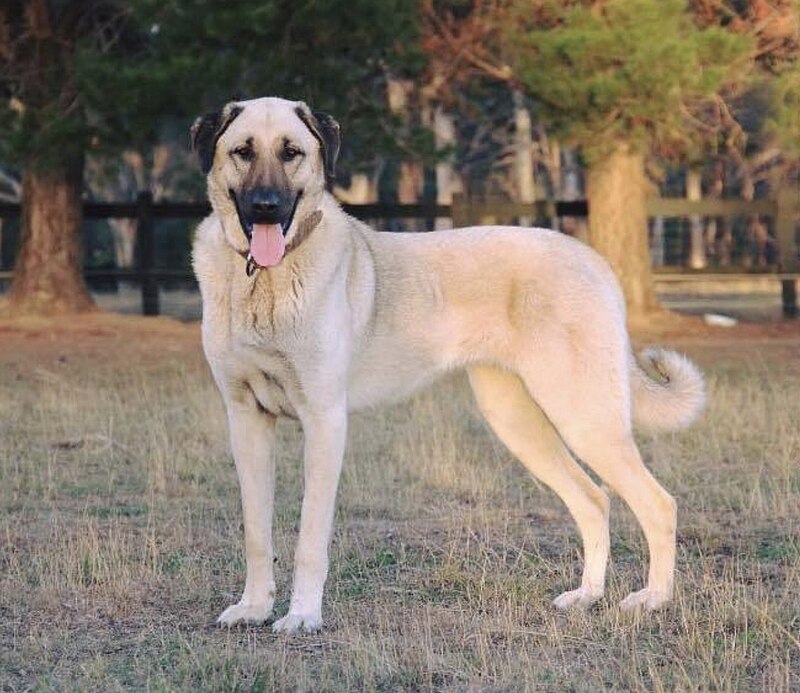
Quick Facts
| Attribute | Details |
|---|---|
| Breed Group | Working |
| Size | Giant (80-150 lbs) |
| Height | 27-29 inches |
| Lifespan | 11-13 years |
| Temperament | Independent, Protective, Intelligent |
| Good with Kids | Good (with family children) |
| Good with Other Dogs | Moderate (can be dominant) |
| Shedding | Moderate to High (seasonal) |
| Exercise Needs | Moderate (1 hour daily) |
| Trainability | Moderate (very independent) |
Recommended for Anatolian Shepherds
The Farmer's Dog - Fresh food for large breeds | Embark DNA - Health screening for genetic conditions | Spot Insurance - Coverage for hip dysplasia & more
Anatolian Shepherd Overview
The Anatolian Shepherd Dog is an ancient Turkish breed developed over thousands of years on the Anatolian Plateau (modern-day Turkey) to guard livestock against formidable predators including wolves, bears, and jackals. They're known in Turkey as "Coban Kopegi" (shepherd's dog) or "Kangal."
These powerful, intelligent dogs are remarkable for their ability to work independently, making decisions without human direction. Their intimidating size and deep bark deter predators, though they prefer to warn rather than fight. Today, they're used worldwide in livestock protection programs, including cheetah conservation efforts in Africa.
The Anatolian Shepherd is a breed that commands attention not just for its physical appearance but for the depth of personality and capability it brings to a household. With a lifespan averaging 11-13 years, the decision to welcome an Anatolian Shepherd into your family is one that will shape your daily routine, activity levels, and emotional life for well over a decade. This breed's independent, protective, intelligent temperament is the product of generations of selective breeding for specific traits—understanding this heritage provides valuable insight into why your Anatolian Shepherd behaves the way it does and what it needs from you as an owner to truly thrive.
What sets successful Anatolian Shepherd owners apart is a willingness to learn about the breed on its own terms. Rather than expecting their Anatolian Shepherd to conform to a generic ideal, they study the animal's inherent characteristics and adjust their approach accordingly. That kind of informed, respectful ownership creates a much better outcome for both the owner and the Anatolian Shepherd.
Owning an Anatolian Shepherd introduces a layer of structure to your day that can feel demanding at first but often becomes a welcome rhythm. Regular feeding, maintenance, and observation are not optional — they are the foundation of responsible care. Most experienced Anatolian Shepherd owners will tell you that the routine is not the hard part; the hard part is the first few weeks of building it. After that, it feels natural.
Temperament & Personality
Anatolian Shepherds embody the independent livestock guardian temperament: Your veterinarian and experienced Anatolian Shepherd owners can offer perspective tailored to your situation.
- Fiercely Independent: Bred to make decisions autonomously; they don't look to humans for direction.
- Protective: Take their guarding duties extremely seriously; naturally suspicious of strangers.
- Calm & Patient: Not hyperactive; conserve energy for when it's truly needed.
- Intelligent: Quick to assess threats but won't waste energy on non-issues.
- Territorial: They establish and defend their territory; secure fencing essential.
The independent, protective, intelligent nature of the Anatolian Shepherd is not a simple personality label—it is a complex behavioral profile shaped by breed history, individual genetics, early socialization experiences, and ongoing environmental factors. What this means in practice is that two Anatolian Shepherd from different lines, raised in different environments, can display meaningfully different behavioral tendencies while still sharing core breed characteristics. Understanding this distinction helps owners set realistic expectations and develop training strategies tailored to their individual dog rather than relying solely on breed generalizations.
Tune the values here against the animal's real-world data points: weight over the last six months, typical exercise intensity, and any current treatment plan.
Common Health Issues
Anatolian Shepherds are relatively healthy for their size.
hip and joint issues
- Hip Dysplasia: Affects approximately 12-15% of the breed. OFA screening recommended.
- Elbow Dysplasia: Can occur but less prevalent than in some giant breeds.
Eye Conditions
- Entropion: Eyelid rolls inward, causing irritation; may need surgical correction.
- Ectropion: Lower eyelid droops outward.
Other Concerns
- Bloat (GDV): Risk in large, deep-chested breeds; life-threatening emergency.
- Hypothyroidism: Underactive thyroid relatively common.
- Sensitivity to Anesthesia: May require lower doses than other breeds of similar size.
- Drug Sensitivity: Some have sensitivity to certain medications.
Health Screening Recommendation
Before getting an Anatolian Shepherd, ask breeders for OFA hip/elbow evaluations and eye certifications. Consider Embark DNA testing for comprehensive genetic screening, including MDR1 drug sensitivity.
Senior care for an Anatolian Shepherd really begins in midlife, when the body starts to shift in ways that are easy to dismiss as normal variation. A slightly stiffer gait, a slower response to play, or a new preference for warmer sleeping spots can all signal the beginning of age-related changes. Addressing them early — with dietary tweaks, joint support, and more frequent vet visits — pays dividends in sustained quality of life.
Cost of Ownership
Understanding the full cost helps prepare for Anatolian Shepherd ownership: Your veterinarian and experienced Anatolian Shepherd owners can offer perspective tailored to your situation.
| Expense Category | Annual Cost Estimate |
|---|---|
| Food (premium quality) | $700-$1,200 |
| Veterinary Care (routine) | $300-$600 |
| Pet Insurance | $500-$900 |
| Grooming | $150-$350 |
| Training (first year) | $400-$1,200 |
| Supplies & Toys | $250-$450 |
| Total Annual Cost | $2,300-$4,700 |
Preventive care is not glamorous, but it is the single best investment you can make in your Anatolian Shepherd's health. Routine wellness exams catch problems early, when treatment is simpler and cheaper. Keeping up with vaccinations, dental cleanings, and parasite prevention costs a fraction of what treating the resulting diseases would. Most veterinary professionals agree that consistent preventive care extends both the length and quality of an Anatolian Shepherd's life.
Exercise & Activity Requirements
Anatolian Shepherds have moderate but specific exercise needs.
- Daily Exercise: 1 hour of activity, including territory patrol time
- Secure Property: Thrive with a large, securely fenced area to patrol
- Mental Stimulation: Need purposeful activity more than play
- Roaming Instinct: Will escape if fencing is inadequate
- Heat Tolerance: Handle hot weather better than many large breeds
Training Tips for Anatolian Shepherds
Training an Anatolian Shepherd requires understanding their nature: Understanding how this applies specifically to Anatolian Shepherd helps you avoid common pitfalls.
- Extensive Socialization: Critical from puppyhood; expose to many people and situations
- Experienced Handler: Not for novice owners; need confident, experienced leadership
- Respect Independence: They won't perform repetitive obedience for no reason
- Positive Methods: Build a relationship based on mutual respect, not force
- Realistic Expectations: They may never be fully "obedient" in the traditional sense
Nutrition & Feeding
Proper nutrition supports Anatolian Shepherd health: The practical payoff of Anatolian Shepherd-specific advice over generic guidance shows up in almost every care decision.
- Large Breed Formula: Food designed for large/giant breeds
- Moderate Portions: They eat less than expected for their size
- Bloat Prevention: Multiple smaller meals; avoid exercise around feeding
- Joint Support: Glucosamine and omega-3s support joint health
- Weight Management: Keep lean to reduce joint stress
Top Food Choices for Anatolian Shepherds
The Farmer's Dog - Fresh, portion-controlled meals | Ollie - Custom fresh food for large breeds | Hill's Science Diet - Large breed formulas
Marketing claims on pet food packaging can be misleading. What actually matters for your Anatolian Shepherd is whether the food delivers balanced protein, fat, and micronutrients suited to their specific needs. Instead of chasing trendy ingredients, let your Anatolian Shepherd's physical condition — their coat, energy, weight, and digestive health — guide your choices.
Grooming Requirements
Anatolian Shepherds have a relatively low-maintenance coat.
- Brushing: Weekly brushing; more during shedding season
- Seasonal Shedding: Heavy twice-yearly coat blow
- Bathing: Infrequently; only as needed
- Nail Trimming: Every 2-3 weeks
- Ear Care: Weekly cleaning
Is an Anatolian Shepherd Right for You?
A solid grasp of this area lets you support your Anatolian Shepherd with intention rather than improvisation. Let the Anatolian Shepherd in front of you, not an idealized version, drive the pace of any new routine.
Anatolian Shepherds Are Great For:
- Experienced owners familiar with livestock guardian breeds
- Rural properties needing livestock protection
- Those with large, securely fenced land
- People who appreciate independent, thinking dogs
- Those prepared for a long-term commitment to training
Anatolian Shepherds May Not Be Ideal For:
- First-time dog owners
- Urban or suburban homes without adequate space
- Families with young children or frequent visitors
- Those wanting a highly obedient, eager-to-please dog
- People who expect traditional companion dog behavior
An Anatolian Shepherd is not for everyone, and that is perfectly fine. What matters is making the choice based on realistic expectations rather than idealized breed descriptions. Spend time around actual Anatolian Shepherd dogs before committing. Visit rescues, attend meet-ups, or ask a friend who owns one if you can dog-sit for a weekend. That firsthand experience is worth more than a hundred online guides.
Strip everything else away and Anatolian Shepherd ownership comes down to the relationship. Grooming, vet visits, and training are the operating costs; what they buy is a dog that recognises you, trusts you, and integrates into the household. Most Anatolian Shepherd owners describe that dynamic as the reason the rest of it is worth doing.
Related Breeds to Consider
If you're interested in Anatolian Shepherds, you might also consider.
- Great Pyrenees - Similar role, friendlier temperament
- Kuvasz - Hungarian guardian with similar traits
- Akbash - Related Turkish guardian breed
- Tibetan Mastiff - Similar independence and guardian nature
Ask Our AI About Anatolian Shepherds
Related Health & Care Guides
Living with a Anatolian Shepherd includes some unglamorous work that, despite its quiet profile, has an outsized effect on the animal's long-term welfare.
Get Personalized AI Guidance
Ask Our AI NowDecision Guides for Anatolian Shepherd
Use these only when comparing food, insurance, ownership budget, or beginner fit for this specific pet.