East European Shepherd
This page is educational reference material for preparing questions. A licensed veterinarian examines the animal, makes the diagnosis, and sets the treatment.
Affiliate links may earn a commission. Affiliate disclosure.
Quick Facts
| Attribute | Details |
|---|---|
| Breed Group | Working/Herding |
| Size | Large to Giant (75-130 lbs) |
| Height | 24-30 inches |
| Lifespan | 10-14 years |
| Temperament | Loyal, Protective, Balanced |
| Good with Kids | Good (with proper socialization) |
| Good with Other Dogs | Moderate (can be dominant) |
| Shedding | High (double coat) |
| Exercise Needs | High (1-2 hours daily) |
| Trainability | Excellent (experienced owners) |
Recommended for East European Shepherds
The Farmer's Dog - Fresh food for large working breeds | Embark DNA - Health screening for genetic conditions | Spot Insurance - Coverage for large breed health needs
East European Shepherd Overview
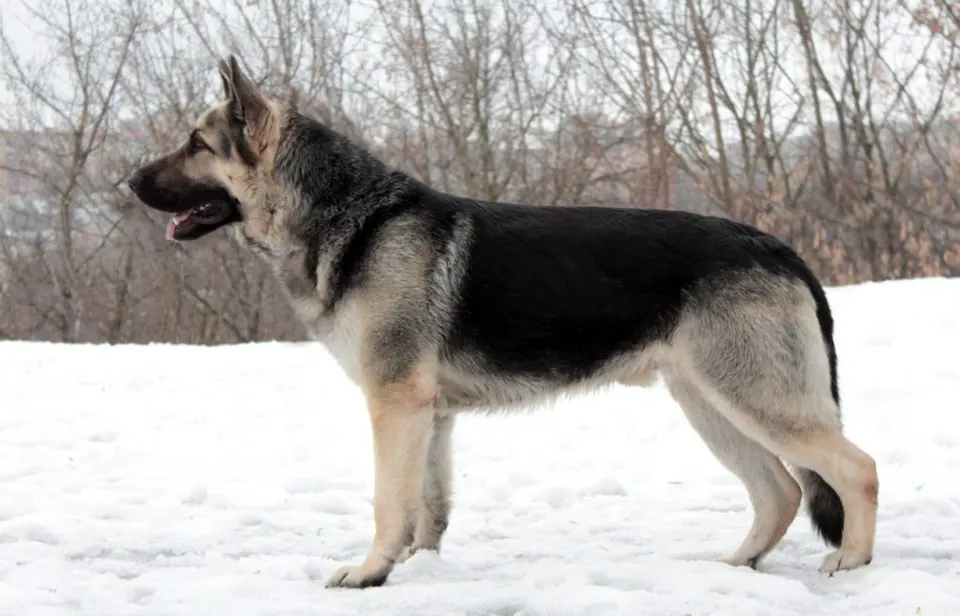
The East European Shepherd (Vostochno Evropeiskaya Ovcharka or VEO) was developed in the Soviet Union starting in the 1930s. Soviet military and government programs sought to create a larger, hardier version of the German Shepherd that could withstand the harsh Russian climate and excel at military, police, and guard work.
By crossing German Shepherds with various Russian breeds including Caucasian Shepherds, Central Asian Shepherds, and local sighthounds, breeders created a distinctly different dog. The East European Shepherd is larger, more muscular, and has a straighter back than the German Shepherd. They remain popular throughout Russia and former Soviet states as military, police, and family protection dogs.
The East European Shepherd is a breed that commands attention not just for its physical appearance but for the depth of personality and capability it brings to a household. With a lifespan averaging 10-14 years, the decision to welcome an East European Shepherd into your family is one that will shape your daily routine, activity levels, and emotional life for well over a decade. This breed's loyal, protective, balanced temperament is the product of generations of selective breeding for specific traits—understanding this heritage provides valuable insight into why your East European Shepherd behaves the way it does and what it needs from you as an owner to truly thrive.
Do not treat ads for an east european shepherd as a health clearance. An East European Shepherd is a working shepherd, often larger than a show German Shepherd. Hips and degenerative myelopathy belong in the questions. They need a job. A backyard and a bored adult is how guarding and barking become the problem. Ask for hip scores and a DM test before you buy the size.
An East European Shepherd is a working shepherd, often larger than a show German Shepherd. Hips and degenerative myelopathy belong in the questions. They need a job. A backyard and a bored adult is how guarding and barking become the problem. Ask for hip scores and a DM test before you buy the size.
Temperament & Personality
East European Shepherds are known for their balanced, reliable temperament.
- Loyal & Devoted: Extremely loyal to their families with unwavering dedication.
- Protective & Watchful: Natural guardians who take protecting their family seriously.
- Calm & Balanced: Well-bred EES display stable temperaments without excessive nervousness or aggression.
- Intelligent & Trainable: Quick learners who excel in various working roles.
- Reserved with Strangers: Naturally suspicious of unfamiliar people, making excellent guard dogs.
The loyal, protective, balanced nature of the East European Shepherd is not a simple personality label—it is a complex behavioral profile shaped by breed history, individual genetics, early socialization experiences, and ongoing environmental factors. What this means in practice is that two East European Shepherd from different lines, raised in different environments, can display meaningfully different behavioral tendencies while still sharing core breed characteristics.
This is a reasonable default, the final plan for an East European Shepherd should come from a veterinarian with the full chart in front of them.
Common Health Issues
East European Shepherds are generally healthier than German Shepherds but have some concerns.
hip and joint issues
- Hip Dysplasia: Can occur but less prevalent than in German Shepherds. OFA screening recommended.
- Elbow Dysplasia: Joint development issues that should be monitored.
Digestive Issues
- Bloat (GDV): Risk in large, deep-chested breeds. Preventive gastropexy may be recommended.
- Sensitive Stomachs: Some dogs may have digestive sensitivities.
specific genetic predispositions that regular veterinary screening can catch early
- Heart Conditions: Cardiac screening recommended for breeding dogs.
- Allergies: Skin allergies can occur in some lines.
- Eye Conditions: Regular eye examinations advised.
Health Screening Recommendation
Before getting an East European Shepherd, ask breeders for hip/elbow scores, cardiac clearances, and genetic testing results. Consider Embark DNA testing for comprehensive health screening.
Taking care of an East European Shepherd's long-term health means knowing what to watch for and when to act.
Genetic testing gives East European Shepherd owners a head start on conditions that might otherwise catch them off guard. By understanding which health risks are written into your East European Shepherd's DNA, you can work with your vet to schedule targeted checks and make informed choices about diet, exercise, and supplementation.
The shift from prime adulthood to the senior phase is gradual for most East European Shepherds, and the owners who navigate it best are the ones who adapt their care approach incrementally.
Cost of Ownership
Understanding the full cost helps prepare for EES ownership.
| Expense Category | Annual Cost Estimate |
|---|---|
| Food (premium quality) | $800-$1,500 |
| Veterinary Care (routine) | $350-$700 |
| Pet Insurance | $500-$950 |
| Grooming | $150-$350 |
| Training (first year) | $500-$1,500 |
| Supplies & Toys | $300-$550 |
| Total Annual Cost | $2,600-$5,550 |
Most new East European Shepherd owners are surprised by first-year costs. The good news is that subsequent years are more predictable. Just keep in mind that senior East European Shepherds may need additional care as they enter the last few years of their 10-14 years lifespan.
Think of preventive care as an insurance policy with a guaranteed payout. For East European Shepherd owners, staying on top of preventive care is one of the simplest ways to reduce lifetime veterinary expenses.
Exercise & Activity Requirements
East European Shepherds need regular physical and mental exercise.
- Daily Exercise: 1-2 hours of activity including walks, runs, or training
- Mental Stimulation: Advanced training, problem-solving activities, and working tasks
- Protection Sports: Excel at Schutzhund/IPO and protection work
- Space Requirements: A large, securely fenced yard is ideal
- Cold Weather Tolerance: Thrive in cold climates due to their Russian heritage
Training Tips for East European Shepherds
EES require experienced, confident handling.
- Early Socialization: Critical to develop stable, confident adults
- Firm but Fair: Require confident leadership without harsh methods
- Consistent Training: Clear, consistent rules and expectations
- Professional Help: Consider working with experienced trainers familiar with guardian breeds
- Purpose & Work: Thrive when given jobs and responsibilities
Nutrition & Feeding
Proper nutrition supports their large, active bodies.
- Large Breed Formula: Choose food designed for large/giant breeds
- Controlled Puppy Growth: Slow, steady growth protects developing joints
- Bloat Prevention: Feed 2-3 smaller meals, use slow feeders
- Joint Support: Include glucosamine and omega fatty acids
- Quality Protein: Active dogs need adequate protein for muscle maintenance
Top Food Choices for East European Shepherds
The Farmer's Dog - Fresh, portion-controlled meals | Ollie - Custom fresh food for large breeds | Hill's Science Diet - Large breed performance formulas
Feeding an East European Shepherd well is less about following trends and more about paying attention to your specific animal. Some East European Shepherds do great on standard kibble; others need a different approach due to allergies, sensitivities, or individual metabolism. Work with your vet to find what works, and be willing to adjust as your East European Shepherd's needs change with age.
Learning to read a pet food label takes five minutes and will serve you for the life of your East European Shepherd. Look at the guaranteed analysis for protein and fat percentages that match your East European Shepherd's needs.
Grooming Requirements
Their double coat requires regular maintenance.
- Brushing: 2-3 times weekly, daily during shedding season
- Bathing: Every 6-8 weeks or as needed
- Shedding: Heavy seasonal shedding twice yearly
- Ear Cleaning: Weekly checks and cleaning
- Nail Trimming: Every 2-4 weeks
- Dental Care: Regular brushing recommended
East European Shepherds Are Great For:
- Experienced owners familiar with guardian breeds
- Those seeking a loyal family protector
- Homes with large, securely fenced yards
- Active owners who can provide adequate exercise and training
- Those interested in protection sports or working activities
East European Shepherds May Not Be Ideal For:
- First-time dog owners
- Apartment dwellers or those with limited space
- Those unable to provide firm, consistent training
- Families seeking an immediately friendly, outgoing dog
- Those in very hot climates without air conditioning
Whether an East European Shepherd fits your life comes down to a few practical questions. Is your living space suitable? Can you afford both routine care and the occasional surprise vet bill over the next 10-14 years? If the honest answers line up, an East European Shepherd can be a genuinely good match.
Strip everything else away and East European Shepherd ownership comes down to the relationship. Most East European Shepherd owners describe that dynamic as the reason the rest of it is worth doing.
Related Breeds to Consider
If you're interested in East European Shepherds, you might also consider.
- German Shepherd - The foundation breed
- Caucasian Shepherd - Larger Russian guardian breed
- Central Asian Shepherd - Another Russian livestock guardian
- King Shepherd - Large American shepherd variety
Ask Our AI About East European Shepherds
With an East European Shepherd, consistency and informed defaults matter more than perfection; repeatable, well-reasoned calls outperform occasional flawless moves. Small tweaks based on how your East European Shepherd actually reacts usually beat rigid adherence to a template.
Related Health & Care Guides
Experienced East European Shepherd owners often cite this as the factor they wish they had taken more seriously at the start.
Get Personalized AI Guidance
Ask Our AI NowDecision Guides for East European Shepherd
Use these only when comparing food, insurance, ownership budget, or beginner fit for this specific pet.