Central Asian Shepherd
This page is educational reference material for preparing questions. A licensed veterinarian examines the animal, makes the diagnosis, and sets the treatment.
Affiliate links may earn a commission. Affiliate disclosure.
Quick Facts
| Attribute | Details |
|---|---|
| Breed Group | Working/Livestock Guardian |
| Size | Giant (88-170+ lbs) |
| Height | 24-32 inches |
| Lifespan | 12-15 years |
| Temperament | Proud, Confident, Independent |
| Good with Kids | Good (with family, supervision required) |
| Good with Other Dogs | Moderate (can be dominant) |
| Shedding | High (dense double coat) |
| Exercise Needs | Moderate (1-1.5 hours daily) |
| Trainability | Moderate (independent thinker) |
Recommended for Central Asian Shepherds
The Farmer's Dog - Fresh food for giant guardian breeds | Embark DNA - Health screening for genetic conditions | Spot Insurance - Coverage for giant breed health needs
Central Asian Shepherd Overview
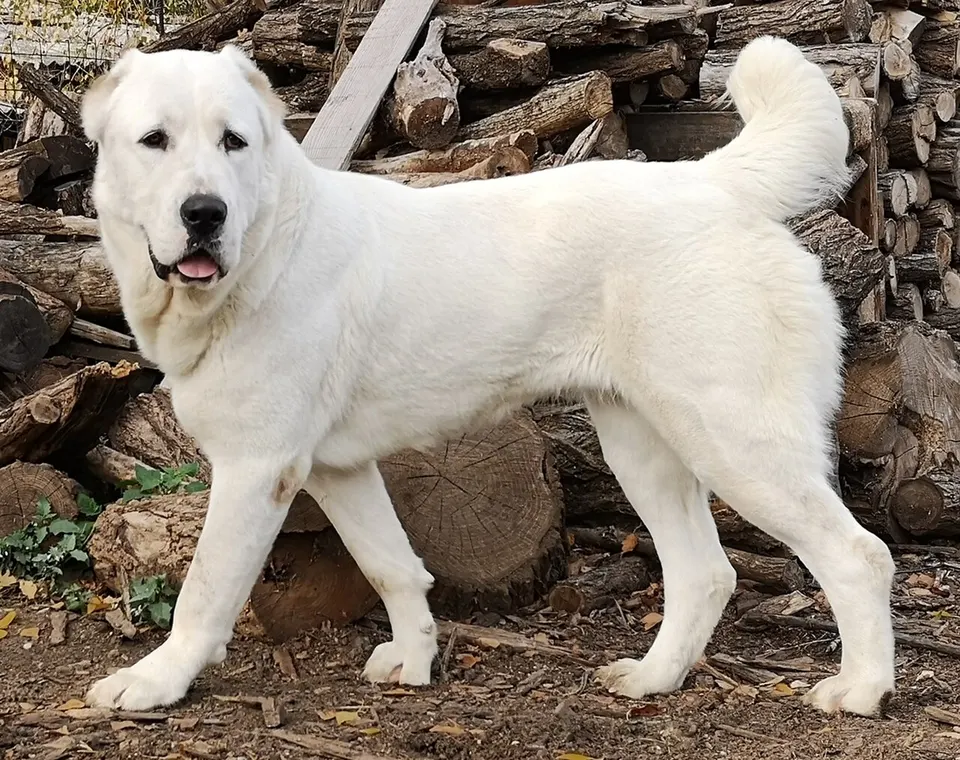
The Central Asian Shepherd (also called Alabai or Central Asian Ovcharka) is one of the oldest and most natural guardian breeds, with a history spanning over 5,000 years. These powerful dogs evolved across the vast steppes of Central Asia, from the Caspian Sea to China, protecting livestock from wolves, bears, and thieves.
Unlike many modern breeds, Central Asian Shepherds were shaped primarily by natural selection and the harsh demands of nomadic life rather than human breeding programs. Regional variations exist across Turkmenistan (where they are the national dog), Kazakhstan, Uzbekistan, Tajikistan, Kyrgyzstan, and Afghanistan. They are known for their impressive longevity among giant breeds.
The Central Asian Shepherd is a breed that commands attention not just for its physical appearance but for the depth of personality and capability it brings to a household. With a lifespan averaging 12-15 years, the decision to welcome a Central Asian Shepherd into your family is one that will shape your daily routine, activity levels, and emotional life for well over a decade. This breed's proud, confident, independent temperament is the product of generations of selective breeding for specific traits—understanding this heritage provides valuable insight into why your Central Asian Shepherd behaves the way it does and what it needs from you as an owner to truly thrive.
It takes months, not days, to read a Central Asian Shepherd well.
Making room for a Central Asian Shepherd in your life involves practical trade-offs. Some daily habits shift, certain expenses become routine, and flexibility becomes essential.
Temperament & Personality
Central Asian Shepherds are proud, independent dogs.
- Proud & Confident: Carry themselves with quiet dignity and self-assurance.
- Independent & Self-Reliant: Bred to make decisions without human direction.
- Loyal & Devoted: Deeply loyal to their family and territory.
- Protective but Measured: Will assess threats before reacting, not prone to unnecessary aggression.
- Calm Indoors: Surprisingly calm and low-key inside the home.
The proud, confident, independent nature of the Central Asian Shepherd is not a simple personality label—it is a complex behavioral profile shaped by breed history, individual genetics, early socialization experiences, and ongoing environmental factors. What this means in practice is that two Central Asian Shepherd from different lines, raised in different environments, can display meaningfully different behavioral tendencies while still sharing core breed characteristics.
Your veterinarian knows your Central Asian Shepherd best — always verify dietary choices with them, especially if your dog has existing health conditions.
Common Health Issues
Central Asian Shepherds are generally healthier than many giant breeds.
joint and skeletal conditions
- Hip Dysplasia: Can occur but less common than in some giant breeds. Screening recommended.
- Elbow Dysplasia: Joint issues that may develop.
specific genetic predispositions that regular veterinary screening can catch early
- Bloat (GDV): Risk in large, deep-chested breeds. Preventive measures important.
- Heart Conditions: Cardiac screening advised for breeding dogs.
- Eye Conditions: Entropion and other eye issues can occur.
Health Screening Recommendation
Before getting a Central Asian Shepherd, ask breeders for hip/elbow scores, cardiac clearances, and eye examinations. Consider Embark DNA testing for comprehensive genetic health screening.
The most useful health habit a Central Asian Shepherd owner can build is a relationship with one specific veterinary practice that knows your dog.
Genetic screening has changed how many Central Asian Shepherd owners approach preventive health.
The middle years of a Central Asian Shepherd's life are when subtle health shifts begin to appear — slightly slower recovery after exercise, a preference for softer resting spots, or minor changes in appetite.
Cost of Ownership
Giant breeds require significant financial commitment: When in doubt, choose the guidance that names the Central Asian Shepherd explicitly over the guidance that treats all pets alike.
| Expense Category | Annual Cost Estimate |
|---|---|
| Food (premium quality) | $1,000-$2,000 |
| Veterinary Care (routine) | $450-$850 |
| Pet Insurance | $600-$1,100 |
| Grooming | $200-$400 |
| Training (first year) | $600-$2,000 |
| Supplies & Toys | $350-$600 |
| Total Annual Cost | $3,200-$6,950 |
Save on Central Asian Shepherd Care
Chewy Autoship - 35% off first Autoship order, then 5% off repeat orders | Lemonade Pet - Affordable insurance options | K9 Training Institute - Professional training programs
Central Asian Shepherds are massive dogs with enormous food requirements — a large adult can easily consume 6 to 8 cups of food per day, making monthly feed costs a significant line item. Their guardian instincts are strong and deeply ingrained, so professional training from puppyhood is not optional; it's a necessary investment in safety. Secure, heavy-duty fencing is another upfront cost that should be factored in before bringing one of these powerful dogs home.
Budget more aggressively for the first year. Beyond the obvious — food, vet visits, supplies — there are costs that catch people off guard: replacing items your Central Asian Shepherd destroys during teething, emergency visits for swallowed objects, and higher food costs during rapid growth phases. After that initial period, expenses settle into a more manageable rhythm.
Owners who maintain a regular preventive care schedule for their Central Asian Shepherd consistently report lower overall vet costs than those who wait for problems to appear. The math favors prevention every time.
Exercise & Activity Requirements
Central Asian Shepherds have moderate exercise needs.
- Daily Exercise: 1-1.5 hours of moderate activity
- Territory Patrol: Need space to patrol and protect
- Not High Energy: Conserve energy for guardian duties
- Mental Stimulation: Benefit from having purpose and responsibility
- Weather Adaptable: Can handle extreme cold and heat
Training Tips for Central Asian Shepherds
Training requires experience with guardian breeds.
- Early Socialization: Critical from puppyhood
- Respectful Partnership: They respond to respect, not dominance
- Patient Consistency: Require patient, consistent approach
- Professional Guidance: Work with trainers experienced in LGDs
- Realistic Goals: They think independently and won't be blindly obedient
Nutrition & Feeding
Proper nutrition supports their large frames.
- Giant Breed Formula: Essential for proper nutrition
- Controlled Growth: Puppies must grow slowly
- Bloat Prevention: Multiple smaller meals, avoid exercise after eating
- Joint Support: Include glucosamine and omega fatty acids
- Moderate Feeding: They don't need as much food as their size suggests
Top Food Choices for Central Asian Shepherds
The Farmer's Dog - Fresh, portion-controlled meals | Ollie - Custom fresh food for giant breeds | Hill's Science Diet - Giant breed formulas
Diet has a compounding effect on Central Asian Shepherd health. You will not see dramatic changes overnight, but over the course of your Central Asian Shepherd's life, consistent good nutrition makes a measurable difference in energy, mobility, and overall well-being.
First ingredient should be a specific animal protein. The AAFCO nutritional adequacy statement confirms whether the food meets minimum standards. Calorie content per cup helps you portion correctly for your Central Asian Shepherd's size.
Grooming Requirements
Their dense coat requires regular care.
- Brushing: 2-3 times weekly, daily during shedding
- Bathing: Every 6-8 weeks (large bathing area needed)
- Shedding: Heavy seasonal shedding
- Ear Cleaning: Weekly checks, especially if cropped ears
- Nail Trimming: Every 2-4 weeks
- Dental Care: Regular dental hygiene important
Is a Central Asian Shepherd Right for You?
If you are optimizing a Central Asian Shepherd's routine, this is one of the higher-leverage items to get right early.
Central Asian Shepherds Are Great For:
- Experienced owners with guardian breed knowledge
- Large rural properties or farms
- Those seeking a calm but protective companion
- Homes with secure, high fencing
- Patient owners who appreciate independent dogs
Central Asian Shepherds May Not Be Ideal For:
- First-time dog owners
- Urban or suburban settings without adequate space
- Those seeking an obedient, eager-to-please dog
- Homes with frequent visitors or guests
- Multi-dog households (especially same-sex dogs)
A Central Asian Shepherd is a livestock guardian. Suspicion of strangers and intolerance of strange dogs are the work, and puppy class will not delete them. They need a property and a fence that can hold a heavy dog, not a suburban walk where visitors are the entertainment. Hips, elbows, and bloat are the medical budget. They are not jogging partners. A dog of this type chained in a yard becomes more dangerous, not calmer. If you do not already understand guardian bites, do not start with this breed.
Related Breeds to Consider
If you're interested in Central Asian Shepherds, you might also consider.
- Caucasian Shepherd - Similar giant guardian
- Kangal - Turkish livestock guardian
- Tibetan Mastiff - Ancient Asian guardian
- Akbash - Turkish white guardian, leaner build
Ask Our AI About Central Asian Shepherds
Related Health & Care Guides
Get Personalized AI Guidance
Ask Our AI NowDecision Guides for Central Asian Shepherd
Use these only when comparing food, insurance, ownership budget, or beginner fit for this specific pet.