Jenday Conure
This page is educational reference material for preparing questions. A licensed veterinarian examines the animal, makes the diagnosis, and sets the treatment.
Affiliate links may earn a commission. Affiliate disclosure.
Quick Facts
| Attribute | Details |
|---|---|
| Scientific Name | Aratinga jandaya |
| Origin | Northeastern Brazil |
| Size | 12 inches (30 cm) |
| Weight | 4-4.5 oz (115-130 grams) |
| Lifespan | 25-30 years |
| Noise Level | Very High |
| Talking Ability | Limited (few words) |
| Diet | Pellets, vegetables, fruits, seeds |
| Care Level | Intermediate |
| Space Requirements | Medium (minimum 24"x24"x30" cage) |
Recommended for Conures
Lafeber Nutri-Berries - Foraging nutrition conures love | Chewy Autoship - Save on bird supplies | Nationwide Exotic Insurance - Coverage for avian care
Jenday Conure Overview
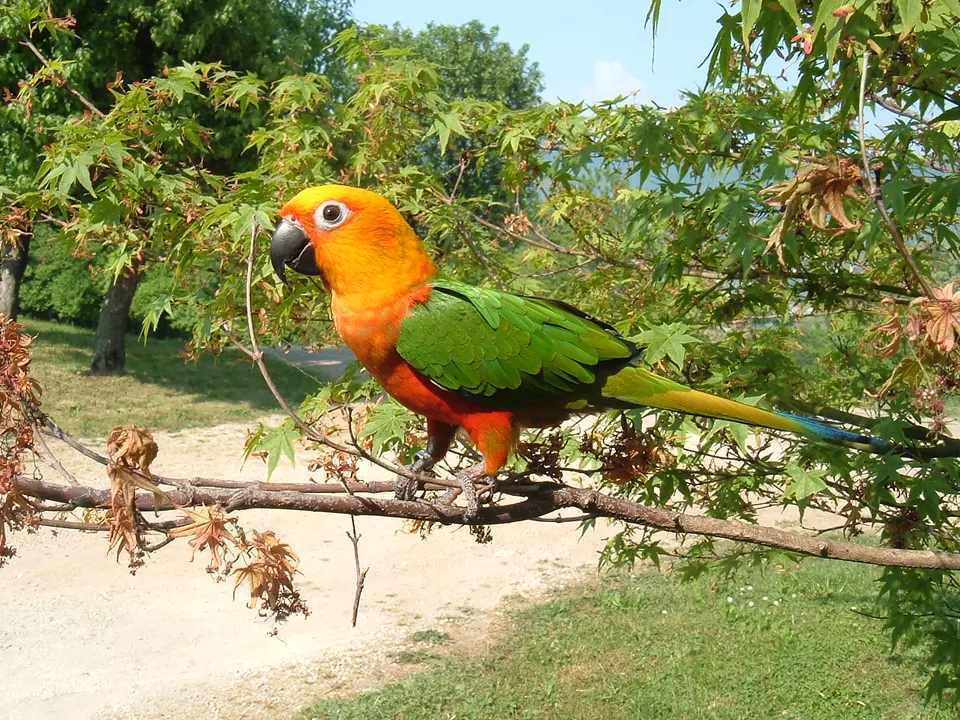
The Jenday Conure (also spelled Jandaya Conure) is a stunningly beautiful parrot often described as the Sun Conure's slightly less flashy cousin. With their vibrant yellow and orange head, green wings, and orange-red belly, Jendays are nearly as colorful as Sun Conures. Native to northeastern Brazil, these charismatic birds make affectionate, playful companions.
Like Sun Conures, Jendays are known for their loud vocalizations. Their piercing screams make them unsuitable for apartments or homes with close neighbors. However, for those who can accommodate their noise, Jendays reward their owners with devoted companionship and entertaining antics.
Noise Warning
Jenday Conures are very loud birds with piercing screams. They are not suitable for apartments or homes with close neighbors. Consider a Green-Cheek Conure if noise is a concern.
Use this as preparatory reading, your avian vet's adjustments for your individual Jenday Conure are what actually matter.
Natural Habitat
Jenday Conures originate from: Your avian veterinarian and experienced Jenday Conure owners can offer perspective tailored to your situation.
- Range: Northeastern Brazil (limited range)
- Habitat: Lowland deciduous forests, palm groves, cleared areas
- Social Groups: Live in small flocks
- Behavior: Often seen in treetops feeding on fruits and seeds
- Conservation: Near Threatened due to habitat loss and trapping
Temperament & Personality
Jenday Conures have endearing personalities: Your avian veterinarian and experienced Jenday Conure owners can offer perspective tailored to your situation.
- Affectionate: Love cuddling and physical contact
- Playful: Energetic and entertaining
- Social: Enjoy being part of family activities
- Curious: Interested in everything around them
- Bold: Confident and outgoing
- Loyal: Form strong bonds with owners
- Clownish: Known for silly, entertaining behavior
Housing Requirements
Jendays need appropriate space.
- Minimum Cage: 24"W x 24"D x 30"H
- Bar Spacing: 3/4 inch
- Material: Powder-coated or stainless steel
- Perches: Various natural wood perches
- Toys: Plenty for chewing and foraging
- Play Stand: Essential for out-of-cage time
- Sleep: 10-12 hours quiet darkness
Diet & Nutrition
Balanced diet for Jenday health: Your avian veterinarian and experienced Jenday Conure owners can offer perspective tailored to your situation.
- Pellets (50-60%): High-quality conure pellets
- Vegetables (25-30%): Leafy greens, carrots, peppers, squash
- Fruits (10-15%): Berries, apple, mango, papaya
- Seeds/Nuts (5%): Limited treats
- Fresh Water: Changed daily
Foods to Avoid
- Avocado (toxic)
- Chocolate and caffeine
- Alcohol
- Fruit pits and apple seeds
- Onions and garlic
Feeding a Jenday Conure well is less about following trends and more about paying attention to your specific animal. Some Jenday Conures do great on standard species-appropriate avian pellets and fresh foods; others need a different approach due to allergies, sensitivities, or individual metabolism. Work with your vet to find what works, and be willing to adjust as your Jenday Conure's needs change with age.
Common Health Issues
Jenday Conures may experience.
- Conure Bleeding Syndrome: Vitamin K deficiency
- Proventricular Dilatation Disease: Viral digestive disease
- Psittacine Beak and Feather Disease: Viral infection
- Feather Plucking: Stress or boredom related
- Respiratory Infections: From poor air quality
- Chlamydiosis: Bacterial infection
Training
Jendays are intelligent and trainable: Routines that match the Jenday Conure's actual energy and social preferences produce a more cooperative animal than routines adapted from other breeds.
- Step-Up: Foundation training essential
- Positive Reinforcement: Use treats and praise
- Trick Training: Enjoy learning tricks
- Socialization: Important from young age
- Talking: Limited; may learn a few words
Noise & Vocalization
Jendays are loud birds: Upfront effort to understand how a Jenday Conure actually operates usually pays dividends in fewer vet emergencies.
- Volume: Very loud, piercing screams
- Frequency: Multiple screaming sessions daily
- Talking: Limited vocabulary potential
- Flock Calling: Natural behavior, cannot be eliminated
- Apartment: Not suitable
Compatibility
Consider household fit.
- Children: Good with respectful older children
- Other Pets: Supervision required
- Other Birds: Often do well with other Aratinga conures
- Time Requirements: 2-4 hours daily interaction
- Noise Tolerance: Household must accept loud vocalizations
Is a Jenday Conure Right for You?
If you are optimizing a Jenday Conure's routine, this is one of the higher-leverage items to get right early.
Ideal Owners Have:
- Detached home or tolerant neighbors
- High noise tolerance
- Time for daily interaction
- Appreciation for affectionate, playful birds
- Long-term commitment (25-30 years)
Jenday Conures May Not Be Ideal For:
- Apartment dwellers
- Noise-sensitive individuals
- Those wanting a talking bird
- First-time bird owners (consider Green-Cheek)
Whether a Jenday Conure fits your life comes down to a few practical questions. Is your living space suitable? Can you afford both routine care and the occasional surprise vet bill over the next 25-30 years? If the honest answers line up, a Jenday Conure can be a genuinely good match.
Cost of Ownership
Most new Jenday Conure owners are surprised by first-year costs. The good news is that subsequent years are more predictable. Just keep in mind that senior Jenday Conures may need additional care as they enter the last few years of their 25-30 years lifespan.
Think of preventive care as an insurance policy with a guaranteed payout. For Jenday Conure owners, staying on top of preventive care is one of the simplest ways to reduce lifetime veterinary expenses.
Related Species
Related conures to consider.
- Sun Conure - Similar appearance, equally loud
- Green-Cheek Conure - Quieter alternative
- Nanday Conure - Similar size, also loud
- Peach-Faced Lovebird - Smaller, less noise
Ask Our AI About Jenday Conures
Have specific questions about Jenday Conure care or behavior? Our AI assistant can provide personalized guidance.
When to See the Vet
- Lumps and bumps: Any new or changing growths should be examined. While many are benign, early detection of cancerous masses improves treatment outcomes.
Diet and Nutrition Tips
A balanced diet is critical for your Jenday Conure's longevity and quality of life. Many health issues in pet birds are directly related to nutritional deficiencies.
- Pellet base: A high-quality pelleted diet should form 60-70% of your Jenday Conure's food intake. Pellets provide balanced nutrition that seed-only diets cannot.
- Fresh produce: Offer a variety of fresh vegetables and fruits daily. Dark leafy greens, carrots, sweet potatoes, and berries are excellent choices.
- An all-seed diet leads to obesity and fatty liver disease.
- Toxic foods: Never feed avocado, chocolate, caffeine, alcohol, onion, garlic, or fruit pits to your Jenday Conure. These are toxic to birds.
Exercise Requirements
Adequate flight time and physical activity are essential for your Jenday Conure's physical and mental health. Birds that lack exercise can develop obesity, muscle atrophy, and behavioral problems.
- Flight time: Allow supervised out-of-cage time daily in a bird-safe room. Even clipped birds benefit from flapping exercise and climbing opportunities.
- Cage size: Provide the largest cage possible with horizontal space for movement. The cage should allow your Jenday Conure to fully extend and flap their wings.
- Enrichment toys: Rotate toys regularly to prevent boredom. Include foraging toys, puzzle feeders, and chew toys appropriate for your Jenday Conure's size.
- Social interaction: Spend quality interactive time with your Jenday Conure daily. Birds are highly social and need regular engagement with their human flock.
Training Advice
Training your Jenday Conure builds trust, provides mental stimulation, and makes daily care much easier. Birds are highly intelligent and respond well to positive reinforcement techniques.
- Step-up command: Teach this essential command first.
- Positive reinforcement: Use favorite treats, head scratches, or verbal praise as rewards. Never punish a bird, as it destroys trust and worsens behavior.
- Short sessions: Keep training sessions to 10-15 minutes. End on a positive note before your Jenday Conure loses interest or becomes frustrated.
- Target training: Teach your Jenday Conure to touch a target stick. This foundational skill makes teaching complex behaviors much easier.
Grooming Essentials
Regular grooming keeps your Jenday Conure healthy, comfortable, and looking their best. Most bird grooming tasks can be performed at home with proper technique.
- Bathing maintains feather condition and skin health.
- Nail trimming: Trim nails every 4-6 weeks or as needed.
- Overgrown beaks may indicate nutritional deficiency or liver disease.
- Wing clipping: Discuss with your avian vet whether wing clipping is appropriate for your Jenday Conure's safety and lifestyle.
Living Environment
Your Jenday Conure's living environment directly impacts their physical health and psychological well-being. Invest in the best setup your space and budget allow.
- Air quality: Birds have extremely sensitive respiratory systems. Avoid candles, air fresheners, non-stick cookware fumes, aerosol sprays, and cigarette smoke.
- Temperature: Maintain room temperature between 65-80 degrees Fahrenheit. Avoid placing the cage near heating vents or air conditioning units.
- Sleep schedule: Birds need 10-12 hours of quiet, dark sleep each night.
Helpful Resources for Jenday Conure Owners
Upfront effort to understand how a Jenday Conure actually operates usually pays dividends in fewer vet emergencies.
Explore More Guides
Get Personalized AI Guidance
Ask Our AI NowDecision Guides for Jenday Conure
Use these only when comparing food, insurance, ownership budget, or beginner fit for this specific pet.