Leopard Gecko
This page is educational reference material for preparing questions. A licensed veterinarian examines the animal, makes the diagnosis, and sets the treatment.
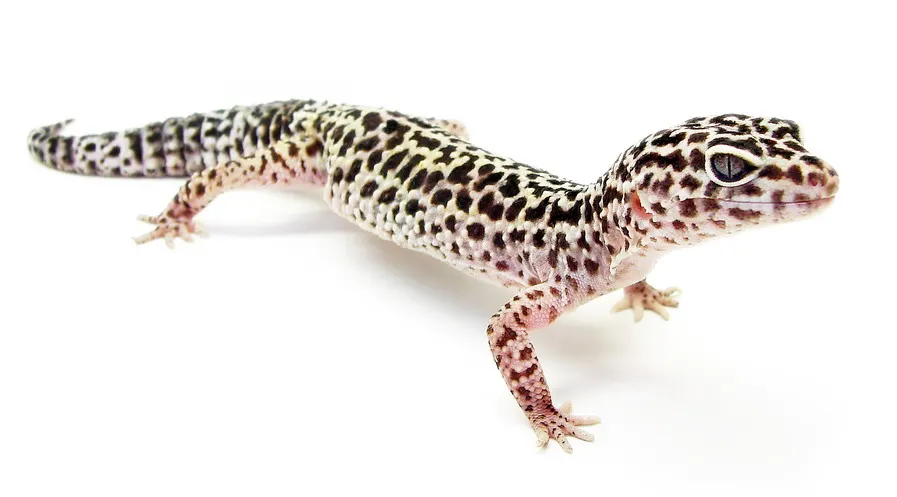
Quick Facts
| Attribute | Details |
|---|---|
| Scientific Name | Eublepharis macularius |
| Origin | Afghanistan, Pakistan, India |
| Size | 7-10 inches (18-25 cm) |
| Lifespan | 15-20 years |
| Temperature Range | 75-90°F (24-32°C) |
| Humidity | 30-40% |
| Enclosure Size | 20 gallon minimum for adults |
| Care Level | Beginner |
| Diet | Insectivore |
| Temperament | Docile, Handleable |
Recommended for Leopard Geckos
Affiliate links may earn a commission. Affiliate disclosure.
ZooMed - Premium heating and lighting solutions | ExoTerra - Quality terrariums and hides | Fluker's - Live feeder insects and supplements | Repashy - Premium calcium and supplements
Leopard Gecko Overview
The Leopard Gecko is one of the most popular pet reptiles in the world, and for good reason. These charming lizards are docile, easy to care for, and come in an incredible variety of color morphs. Native to the rocky deserts of Afghanistan, Pakistan, and northwestern India, leopard geckos have been bred in captivity for decades, resulting in hardy, personable pets that are perfect for beginners and experienced keepers alike.
Unlike many geckos, leopard geckos are terrestrial (ground-dwelling) and possess moveable eyelids rather than fixed spectacles. They are also crepuscular and nocturnal, meaning they are most active at dawn, dusk, and nighttime.
Leopard geckos are about as beginner-friendly as reptiles get. They are small, docile, relatively quiet (though they do make adorable chirping sounds), and their care requirements are straightforward once the enclosure is set up correctly. Unlike many reptiles, leopard geckos do not need elaborate UVB lighting setups, huge tanks, or daily attention. A properly heated 20-gallon tank with three hides and a water dish covers the essentials.
What makes leopard geckos special is their personality. Each one is different. Some are bold explorers that practically crawl into your hand. Others are shy and prefer to peek out from their hide, watching you with those big, expressive eyes. Over time, most leos warm up to handling and will calmly sit on your hand or shoulder. They are crepuscular -- most active at dawn and dusk -- so do not expect a daytime display animal. The best interaction happens in the evening when they emerge to hunt and explore.
The biggest ongoing responsibility is feeding live insects, and this is the deal-breaker for some people. Leopard geckos are strict insectivores -- they will not eat pellets, vegetables, or anything that is not alive and moving. You will need a steady supply of crickets, dubia roaches, or mealworms, and those insects need to be gut-loaded (fed nutritious food) and dusted with calcium before every feeding. If the idea of keeping a container of live roaches in your house makes you queasy, a leopard gecko may not be your best match.
Natural Habitat & Origin
In the wild, leopard geckos inhabit rocky, dry grasslands and desert regions of South Asia. They spend their days hiding in burrows, rock crevices, and under debris to escape the intense heat, emerging at night to hunt insects. This habitat influences their care requirements.
- Semi-arid climate: Low humidity with occasional moisture
- Rocky terrain: Plenty of hiding spots and rough surfaces
- Temperature extremes: Hot days, cooler nights
- Burrowing behavior: Underground retreats for thermoregulation
Enclosure Setup & Requirements
Creating the ideal leopard gecko habitat is straightforward and affordable: Your exotic veterinarian and experienced Leopard Gecko owners can offer perspective tailored to your situation.
Tank Size
- Juveniles: 10-gallon tank
- Adults: 20-gallon long tank minimum (30x12x12 inches)
- Ideal: 40-gallon breeder or larger for optimal enrichment
Substrate Options
- Recommended: Paper towels, slate tile, reptile carpet, or excavator clay
- Bioactive: Organic topsoil/sand mix for advanced keepers
- Avoid: Loose calcium sand, walnut shells, or fine particulate substrates for juveniles
Essential Furnishings
- Warm hide (over heat source)
- Cool hide (opposite end)
- Moist hide (with damp moss for shedding)
- Shallow water dish
- Calcium dish (without D3)
Temperature & Lighting
Proper temperature gradients are crucial for leopard gecko health.
Temperature Requirements
| Zone | Temperature |
|---|---|
| Warm Side (basking) | 88-92°F (31-33°C) |
| Cool Side | 75-80°F (24-27°C) |
| Nighttime (entire tank) | 65-75°F (18-24°C) |
Heating Options
- Under tank heater (UTH): Primary heat source, use with thermostat
- Ceramic heat emitter: Supplemental heat without light
- Deep heat projector: Excellent for belly heat penetration
- Avoid: Heat rocks (can cause burns)
Lighting
While leopard geckos are crepuscular and don't require UVB, recent research suggests low-level UVB (2-5%) can benefit their health and natural behaviors. A 12-hour light/dark cycle helps regulate their circadian rhythm.
Heating & Lighting Products
ZooMed ReptiTherm UTH - Reliable under tank heating | ExoTerra Thermostat - Essential temperature control
Humidity & Water
Leopard geckos require relatively low humidity but need a moist retreat for shedding: Your exotic veterinarian and experienced Leopard Gecko owners can offer perspective tailored to your situation.
- Ambient humidity: 30-40%
- Moist hide: 70-80% humidity inside with damp sphagnum moss
- Water dish: Fresh water available at all times
- Misting: Not required for ambient humidity, only for moist hide
Diet & Feeding
Leopard geckos are strict insectivores and require a varied diet of gut-loaded, dusted insects.
Appropriate Feeder Insects
- Staples: Crickets, dubia roaches, mealworms
- Treats: Waxworms, superworms, hornworms, silkworms
- Avoid: Wild-caught insects, fireflies (toxic)
Feeding Schedule
- Juveniles (0-6 months): Daily, as many insects as they'll eat in 15 minutes
- Sub-adults (6-12 months): Every other day
- Adults (12+ months): 2-3 times per week
Supplementation
- Every feeding: Dust insects with calcium without D3
- 2x weekly: Calcium with D3
- 1x weekly: Multivitamin supplement
- Calcium dish: Keep pure calcium available at all times
Gut Loading is Essential
Feed your insects nutritious foods (vegetables, commercial gut load) 24-48 hours before feeding to your gecko. The nutrition your gecko receives is only as good as what you feed the insects.
Leopard geckos only eat insects, and the quality of those insects directly determines the quality of nutrition your gecko receives. "Gut loading" means feeding your crickets or roaches nutritious food (carrots, sweet potato, commercial gut-load formula) for 24 to 48 hours before offering them to your gecko. A cricket that has been living in an empty container eating nothing is basically an empty shell of chitin. A properly gut-loaded cricket is a nutrient delivery system. This step is easy to skip and absolutely critical not to.
Calcium dusting is the other essential practice. Leopard geckos need calcium at almost every feeding, plus a small dish of plain calcium powder left in the enclosure at all times (they will lick it when they need it). Without enough calcium, leopard geckos develop metabolic bone disease, which causes soft, deformed bones and is heartbreaking to watch. If you provide low-level UVB lighting, you can alternate between calcium with D3 and calcium without D3. If you do not provide UVB, use calcium with D3 at every feeding so the gecko can absorb what it needs. A weekly multivitamin dusting rounds out the supplementation routine.
Health Issues & Common Problems
With proper care, leopard geckos are hardy animals, but watch for these common issues.
Metabolic Bone Disease (MBD)
Caused by calcium/D3 deficiency. Signs include soft jaw, kinked tail, tremors, and lethargy. Prevention: proper supplementation and optional UVB lighting.
Impaction
Intestinal blockage from ingesting substrate. Signs include bloating, lack of appetite, and no bowel movements. Use appropriate substrates and feed in a dish.
Shedding Problems (Dysecdysis)
Retained shed, especially around toes, eyes, and tail tip. Ensure proper humidity and provide a moist hide. Never pull stuck shed - soak instead.
Parasites
Crypto, pinworms, and coccidia can affect captive geckos. Annual fecal exams recommended. Quarantine new animals.
Tail Loss (Autotomy)
Leopard geckos can drop their tails when stressed. The tail will regenerate but won't look the same. Handle gently and never grab by the tail.
Leopard geckos are tough little animals when their basic needs are met, but a few health issues come up repeatedly. Stuck shed is the most common -- if humidity in the moist hide is not adequate, shed skin can remain stuck around the toes, constricting blood flow and eventually causing toe loss. Check your gecko after every shed. If you see retained skin on the toes or tail tip, place the gecko in a shallow dish of lukewarm water for 10 minutes and gently work the shed off with a damp cotton swab. Never pull dry shed; you will tear the skin underneath.
Impaction from loose substrate is a real concern, especially for juveniles. Young leos have a tendency to eat substrate particles while hunting, and fine sand or calcium sand can build up in the digestive tract. Paper towels or tile are the safest substrate choices for geckos under a year old. Adult leopard geckos on a naturalistic soil-sand mix generally do fine as long as their temperatures are correct (proper warmth keeps digestion moving), but if you notice bloating or a lack of bowel movements, impaction should be on your radar.
Cryptosporidiosis ("crypto") is the leopard gecko health issue that terrifies experienced keepers. It is a parasitic infection that causes chronic wasting, regurgitation, and a distinctive "stick tail" appearance where the tail shrinks while the body appears normal. There is no reliable cure, and it spreads easily between geckos through contaminated surfaces. This is the main reason quarantine protocols exist in the gecko community -- never introduce a new gecko directly into an enclosure with established animals without at least a month of separate observation first.
Handling & Temperament
Leopard geckos are known for their docile nature and tolerance of handling: The right routine for this Leopard Gecko is usually visible in the first few weeks of observation — build from what the animal is telling you rather than from a template.
- Acclimation period: Wait 1-2 weeks after bringing home before handling
- Start slow: Begin with 5-10 minute sessions
- Support the body: Let them walk across your hands
- Avoid the tail: Never grab or restrain by the tail
- Watch body language: Tail waving indicates stress
- Best times: Evening when they're naturally active
Breeding Information
Breeding leopard geckos is relatively straightforward: Your exotic veterinarian and experienced Leopard Gecko owners can offer perspective tailored to your situation.
- Sexual maturity: 18-24 months (weight more important than age - 45+ grams for females)
- Sexing: Males have prominent hemipenal bulges and pre-anal pores
- Breeding season: Following winter cooling period
- Egg laying: Females lay 2 eggs per clutch, 6-8 clutches per season
- Incubation: 45-60 days; temperature determines sex
- Temperature-dependent sex: Lower temps (80-82°F) = more females; higher temps (88-90°F) = more males
Leopard Geckos Are Great For:
- First-time reptile keepers
- Those wanting a handleable pet
- Apartments or small spaces
- People with busy schedules (low maintenance)
- Those interested in breeding projects
- Families with supervised children
Leopard Geckos May Not Be Ideal For:
- Those wanting an active, diurnal pet
- People squeamish about live insects
- Those seeking a pet that doesn't require feeding live prey
- Anyone expecting a cuddly, interactive pet
Cost of Ownership
| Item | Typical U.S. cost |
|---|---|
| Gecko (captive-bred) | $30–$100 for common morphs; designer morphs cost more |
| Enclosure setup | $200–$400 (20–40 gallon tank, heat mat with thermostat, hides, thermometers) |
| Insects and supplements | $15–$30 a month |
| Exotic vet exam | $60–$120 per visit; a yearly fecal test is worth adding |
The thermostat is the one item not to skimp on. An unregulated heat mat can reach temperatures that burn a gecko's belly.
When to See a Vet: Red Flags
If you are deciding how fast to go, use the when-to-see-a-vet checker. It sorts urgent, soon, and monitor, and it is not a diagnosis.
Reptiles hide illness well, so by the time a leopard gecko looks sick it has often been unwell for a while. Book an exam with a reptile-experienced vet if you notice:
- Tail getting thinner over a few weeks. Leopard geckos store fat in the tail, so a shrinking tail means weight loss, and it is a classic sign of cryptosporidiosis.
- Soft or rubbery lower jaw, bowed legs or trembling. These point to metabolic bone disease and need prompt treatment.
- Repeated regurgitation, or loose and bloody stools.
- Retained shed on the toes or tail tip that a 10-minute lukewarm soak won't loosen.
- Bloated belly with no droppings for more than a week, especially on loose substrate.
- Any tissue protruding from the vent.
A healthy adult may eat less in winter. If its weight holds steady and the tail stays plump, that is usually normal.
Legal and Permit Notes
Leopard geckos are legal to keep in every U.S. state without a permit. Some landlords and HOAs restrict reptiles, so check your lease. Buy captive-bred animals; nearly all geckos in the U.S. pet trade are bred here.
Leopard Gecko FAQ
How long do leopard geckos live?
Commonly 15 to 20 years with good care, and some pass 20. Plan for a long commitment.
Do leopard geckos need UVB?
They can survive without it if given calcium with D3, but many reptile vets now recommend low-level UVB (around 5–7%) as an enrichment and health benefit.
Can I keep two together?
Keep males apart; they fight. Females can sometimes share a large enclosure, but most keepers house geckos singly to avoid stress and competition for food.
Why is my gecko not eating?
Check the warm-side floor temperature first (about 88–92°F). Cool temperatures, shedding and winter slowdowns are common causes. Weight loss or a thinning tail means a vet visit.
Vet and care references
- VCA Animal Hospitals: Leopard Geckos Care
- Merck Veterinary Manual: Reptiles
- Association of Reptile and Amphibian Veterinarians (find a reptile vet)
Related Species
- African Fat-Tailed Gecko - Similar care, more humidity needs
- Crested Gecko - Arboreal, no live insects required
- Bearded Dragon - Larger, more interactive, diurnal
- Corn Snake - Easy snake alternative