Crested Gecko
This page is educational reference material for preparing questions. A licensed veterinarian examines the animal, makes the diagnosis, and sets the treatment.
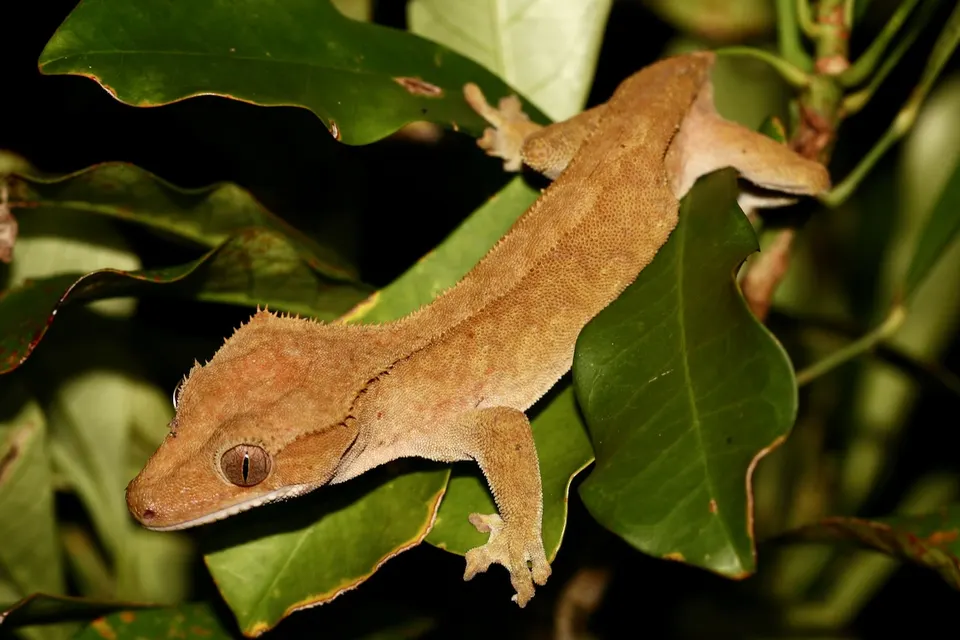
Quick Facts
| Attribute | Details |
|---|---|
| Scientific Name | Correlophus ciliatus |
| Origin | New Caledonia |
| Size | 7-9 inches (18-23 cm) |
| Lifespan | 15-20 years |
| Temperature Range | 72-78°F (22-26°C) |
| Humidity | 60-80% |
| Enclosure Size | 18x18x24" vertical minimum |
| Care Level | Beginner |
| Diet | Omnivore (fruit/insects) |
| Temperament | Docile, Jumpy |
Recommended for Crested Geckos
Affiliate links may earn a commission. Affiliate disclosure.
Repashy - Crested Gecko Diet (complete nutrition) | ExoTerra - Vertical terrariums and misting systems | ZooMed - Cork bark and branches | Fluker's - Feeder insects for variety
Top Diet Products
Repashy CGD - Industry standard complete diet | Fluker's Crickets - Supplemental protein
Crested geckos came back to science in 1994 on New Caledonia after everyone thought they were gone, and they turned into one of the easiest pet lizards because they like the same temperatures people do. Adults are about 7 to 9 inches including the tail. Lifespan is often 15 to 20 years. They are a beginner lizard in the setup and a jumpy one in the hand, and both of those are true at once.
Vertical, humid, not hot
Use at least an 18 by 18 by 24 inch vertical enclosure for an adult. Fill it with branches and cork so the gecko can climb and hide. Humidity belongs around 60 to 80 percent: a dry-out during the day and a heavier mist at night matches a forest animal better than a swamp that never dries. A digital thermometer and a hygrometer beat guessing. If the room falls below the low 70s, a low-watt heat source on a thermostat, aimed so the gecko can get away from it, is enough. Do not aim for bearded-dragon basking numbers.
A small water dish and the droplets from misting cover drinking. They often will not learn a bowl if you never mist.
Diet, handling, the tail
Mix a reputable crested gecko diet and replace it before it smells. Insects a couple of times a week, dusted, are a bonus. A skinny tail (while they still have one) and a faint tail base mean you are underfeeding or the temperature is wrong.
Handle low over a table, a few minutes at a time. They jump without warning. The tail will not grow back. Children can watch and do short, supervised holds. This is a good first lizard for an apartment. It is a bad first lizard if you wanted a pet that sits on your shoulder through a movie.
Weight loss, a mouth that will not close, or a kinked spine that was not there last month needs a reptile vet. The Association of Reptile and Amphibian Veterinarians directory is the way to find one. The reptile not-eating page and the checker cover the "should this wait" question. A setup for tank, diet, and animal is often $200 to $350 if you skip the decorative extras.
Crested gecko heat and food
Do crested geckos need a heat lamp?
Usually no, if the room stays about 72 to 78°F. Sustained temperatures over the low 80s stress them. A heat lamp that bakes the top of a vertical tank is a common way to overheat a species that wants it cool.
What do they eat?
A commercial crested gecko diet, mixed fresh and replaced often, covers the staple. Insects dusted with calcium are optional enrichment, not a replacement for the prepared diet.
Will the tail grow back?
No. Crested geckos drop the tail as a defense and it does not regenerate. The gecko can live well without it. Grabbing the tail, or chasing a frightened gecko, is how it comes off.
Are they beginner reptiles?
Yes. A vertical tank, room temperature, and a powdered diet are a simpler setup than a basking lizard. They are jumpy, so 'beginner' does not mean 'enjoys being held for an hour.'
Decision Guides for Crested Gecko
Use these only when comparing food, insurance, ownership budget, or beginner fit for this specific pet.