St. Bernard Puppy Guide
This page is educational reference material for preparing questions. A licensed veterinarian examines the animal, makes the diagnosis, and sets the treatment.
Everything you need for a St. Bernard puppy's first year. Feeding schedule, training milestones, vaccination timeline, and health concerns for large breed puppies.
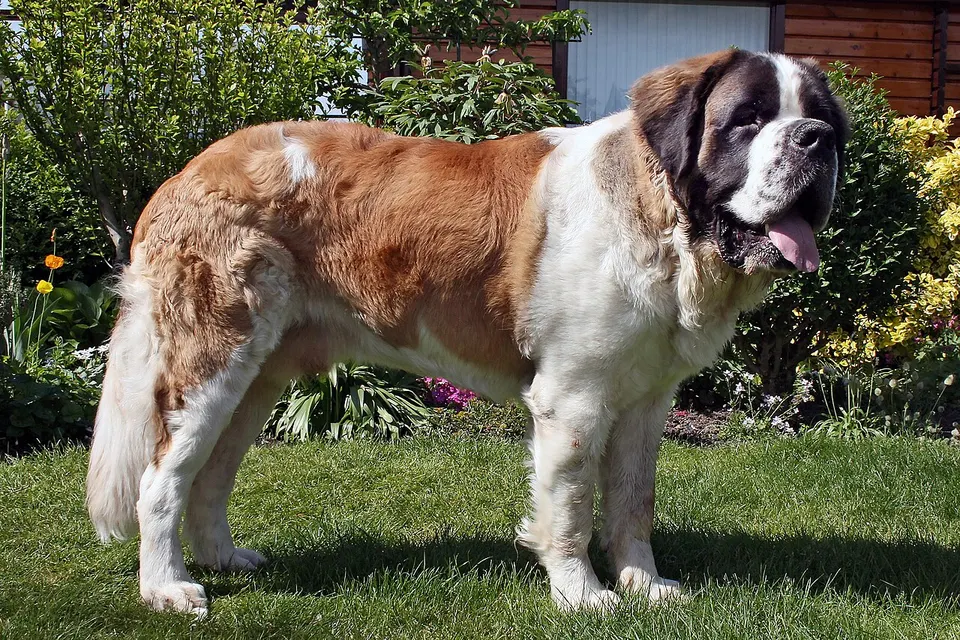
First Week Home
Bringing home a St. Bernard puppy is exciting but requires preparation. Large breed puppies grow rapidly and need controlled nutrition to prevent skeletal problems. Expect your St. Bernard puppy to reach full size between 12-24 months.
At 120-180 lbs and with a typical 8-10 yrs lifespan, the St. Bernard rewards owners who understand the breed's specific quirks rather than treating it as a generic pet. The St. Bernard's reputation in the working group reflects generations of purposeful breeding, resulting in a large dog with predictable but nuanced care requirements.
Feeding Schedule
No two animals are identical, but breed-level health and temperament data provides actionable guidance for owners. St. Bernards with low energy levels are more laid-back but still need daily engagement.
- Size: large (120-180 lbs)
- Energy Level: Low
- Shedding: Heavy
- Lifespan: 8-10 yrs
Vaccination Timeline
A routine shaped by breed particulars outperforms a generic routine in almost every measurable way. St. Plan Bernards care around a large body size, heavy shedding, and the breed's documented predisposition toward hip dysplasia and bloat.
Routine veterinary screenings catch many breed-related conditions at stages where intervention is most effective. Given the breed's health tendencies, proactive screening is important for this breed. Bernards.
Socialization Window
The St. Bernard's reputation in the working group reflects generations of purposeful breeding, resulting in a large dog with predictable but nuanced care requirements. Bernard is matching your care approach to their breed characteristics. A sedentary lifestyle carries health risks regardless of breed predisposition — joint stiffness, weight gain, and behavioral issues increase with inactivity.
House Training
Informed ownership goes deeper than the basic care checklist for any breed. As a working breed, the St. Bernard has instincts and behaviors shaped by centuries of selective breeding for specific tasks.
One underrated form of enrichment for St. Bernard: controlled novelty. New environments, unfamiliar surfaces, and changing scent profiles activate cognitive pathways that repetitive activities do not. Even small changes to a daily routine — a different walking route, a new texture underfoot — provide measurable mental stimulation without extra cost or time.
First-Year Health Milestones
Owners who structure prevention around breed data typically see fewer costly interventions down the road. Watch for early signs of hip dysplasia, maintain regular veterinary visits, and keep your dog at a healthy weight — obesity exacerbates nearly every health condition St. Bernards are prone to.
Veterinary Care Schedule for St. Bernards
Veterinary care frequency should adjust as your pet ages. Below is the recommended schedule, though your vet may adjust based on individual health for your St. Bernard. Your vet may modify this depending on your pet's history.
| Life Stage | Visit Frequency | Key Screenings |
|---|---|---|
| Puppy (0-1 year) | Every 3-4 weeks until 16 weeks, then at 6 and 12 months | Vaccinations, deworming, spay/neuter (consult AVMA guidelines on optimal timing) consultation |
| Adult (1-7 years) | Annually | Physical exam, dental check, heartworm test, vaccination boosters |
| Senior (7+ years) | Every 6 months | Blood work, urinalysis, Hip Dysplasia screening, Bloat screening, Heart Disease screening |
St. Bernards should receive breed-specific screening for hip dysplasia starting at 1-2 years of age, as large breeds develop structural issues early. Most breed-related conditions respond better to early intervention.
Cost of St. Bernard Ownership
Budgeting ahead avoids hard choices later. Typical ongoing expenses for St. Bernard ownership.
More St. Bernard Guides
- St. Bernard Diet & Nutrition Guide
- St. Bernard Pet Insurance Cost
- How to Train a St. Bernard
- St. Bernard Grooming Guide
- St. Bernard Health Issues
- St. Bernard Temperament & Personality
- St. Bernard Exercise Needs
- St. Bernard Cost of Ownership
Hip and Joint Health Management
Gastric Dilatation-Volvulus (GDV) Prevention
Cardiac Health Monitoring
What are the most important considerations for st bernard?
Raising a young St. Bernard Puppy Guide requires attention to nutrition, socialization, vaccination schedules, and establishing good habits early.