St. Bernard Temperament & Personality Guide
This page is educational reference material for preparing questions. A licensed veterinarian examines the animal, makes the diagnosis, and sets the treatment.
St. Bernard temperament traits, personality, and behavior. What to expect from this low-energy working breed with family, kids, and other pets.
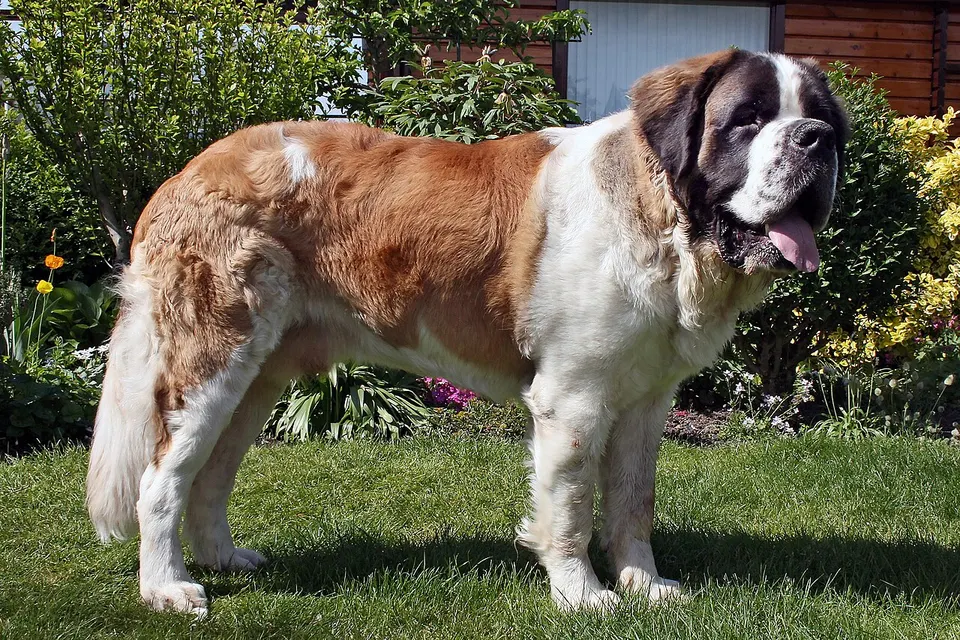
Personality Foundations
The St. Bernard is known for being a low-energy working breed with a distinctive personality. As a working breed, they are loyal, protective, and often form strong bonds with their primary caretaker.
Weighing around 120-180 lbs and lifespan of 8-10 yrs, the St. Bernard benefits from care tailored to its physical and behavioral profile. Whether you are researching the St. Bernard for the first time or deepening your knowledge as a current owner, the breed's working lineage is the foundation for understanding their needs.
Bonding with Family Members
Understanding breed tendencies equips you to anticipate needs, even as individual personalities vary. St. Bernards with low energy levels are more laid-back but still need daily engagement.
- Size: large (120-180 lbs)
- Energy Level: Low
- Shedding: Heavy
- Lifespan: 8-10 yrs
Interactions with Other Pets
Knowledge of breed-specific characteristics directly translates to better day-to-day care. St. For Bernards, the inputs that matter most are a large frame, a heavy shedding coat, and breed-level risk for hip dysplasia and bloat.
Preventive veterinary care, following AAHA guidelines of annual exams for adults and biannual exams for seniors, enables earlier detection of breed-related conditions. Given the breed's health tendencies, proactive screening is important for St. Bernard. Bernards.
Daily Activity Patterns
Whether you are researching the St. Bernard for the first time or deepening your knowledge as a current owner, the breed's working lineage is the foundation for understanding their needs. Bernard is matching your care approach to their breed characteristics. Consistent daily activity, even in short sessions, contributes more to long-term health than occasional intense exercise.
Intelligence and Problem-Solving
Several breed-specific considerations deserve attention beyond routine care protocols. As a working breed, the St. Bernard has instincts and behaviors shaped by centuries of selective breeding for specific tasks.
Understanding your St. Bernard's instinctual drives makes enrichment more effective. Rather than generic toy rotation, tailor activities to what this breed was developed to do. Working breeds benefit from task-oriented challenges; scent-driven breeds thrive with nose work; social breeds need interactive play rather than solo activities.
Alertness and Guarding
The cost difference between catching a condition early versus treating it at an advanced stage is typically 3-5x, not counting quality-of-life impact. Watch for early signs of hip dysplasia, maintain regular veterinary visits, and keep your dog at a healthy weight — obesity exacerbates nearly every health condition St. Bernards are prone to.
Veterinary Care Schedule for St. Bernards
Preventive care reduces both emergency costs and disease severity over your pet's lifetime. Here is a general framework for your St. Bernard. These are baseline recommendations.
| Life Stage | Visit Frequency | Key Screenings |
|---|---|---|
| Puppy (0-1 year) | Every 3-4 weeks until 16 weeks, then at 6 and 12 months | Vaccinations, deworming, spay/neuter (consult AVMA guidelines on optimal timing) consultation |
| Adult (1-7 years) | Annually | Physical exam, dental check, heartworm test, vaccination boosters |
| Senior (7+ years) | Every 6 months | Blood work, urinalysis, Hip Dysplasia screening, Bloat screening, Heart Disease screening |
St. Bernards should receive breed-specific screening for hip dysplasia starting at 1-2 years of age, as large breeds develop structural issues early. Screening before symptoms appear makes a meaningful difference in outcomes.
Cost of St. Bernard Ownership
Ownership costs vary by region, health status, and lifestyle. These ranges reflect national averages for St. Bernard ownership.
More St. Bernard Guides
- St. Bernard Diet & Nutrition Guide
- St. Bernard Pet Insurance Cost
- How to Train a St. Bernard
- St. Bernard Grooming Guide
- St. Bernard Health Issues
- St. Bernard Exercise Needs
- St. Bernard Cost of Ownership
- Adopt a St. Bernard
Hip and Joint Health Management
Gastric Dilatation-Volvulus (GDV) Prevention
Cardiac Health Monitoring
Questions Owners Ask
What are the most important considerations for st bernard temperament?
St. Bernard Temperament & Personality Guides have distinct personality traits that prospective owners should understand. Consider their energy level, socialization needs, compatibility with your household, and the time commitment required for training and enrichment.