Are Burmese Cats Good with Kids?
This page is educational reference material for preparing questions. A licensed veterinarian examines the animal, makes the diagnosis, and sets the treatment.
Burmese cats with children: temperament, patience level, and tips for fostering a safe, loving relationship between cat and kids.
Family Compatibility
Burmeses can make wonderful family companions when properly socialized and when children are taught respectful interaction.
8-12 lbs body size, 10-17 yrs expected life — and the Burmese has particular breed-specific care realities worth learning up front, not in reaction to problems. Not many cat breeds share the Burmese's specific mix of high activity, light shedding characteristics, and distinctive health considerations.
Genetic Health Considerations: The Burmese breed has documented susceptibility to diabetes, HCM, head defect. Awareness of these predispositions is valuable for two reasons: it guides preventive screening decisions, and it helps you recognize early symptoms that might otherwise be overlooked.
Age-Appropriate Interactions
Not many cat breeds share the Burmese's specific mix of high activity, light shedding characteristics, and distinctive health considerations. High-energy Burmese work best with consistent, structured outlets — without them, the drive converts into stress behaviors rather than evaporating.
- Size: medium (8-12 lbs)
- Energy Level: High
- Shedding: Light
- Lifespan: 10-17 yrs
Health Monitoring
Knowledge of breed-specific characteristics directly translates to better day-to-day care. Care for Burmeses has to account for a medium frame, a light shedding profile, and breed-linked risk around diabetes and HCM.
Teaching Children
- Maintain a weekly grooming routine
Best Ages for Introduction
Preventive screening is most valuable when tailored to documented breed risks rather than applied as a generic checklist. Watch for early signs of diabetes, maintain regular veterinary visits, and keep your cat at a healthy weight — excess weight worsens most of the conditions Burmese Cats are prone to.
Set up regular times for meals, activity, grooming, and rest. High-energy Burmeses especially benefit from knowing when their exercise time is coming — it helps them settle during calmer periods.
Veterinary Care Schedule for Burmeses
Veterinary care frequency should adjust as your pet ages. Below is the recommended schedule, though your vet may adjust based on individual health for your Burmese. Use this as a starting point — your vet may adjust based on individual health.
| Life Stage | Visit Frequency | Key Screenings |
|---|---|---|
| Kitten (0-1 year) | Every 3-4 weeks until 16 weeks, then at 6 and 12 months | Vaccinations, deworming, spay/neuter (consult AVMA guidelines on optimal timing) consultation |
| Adult (1-7 years) | Annually | Physical exam, dental check, heartworm test, vaccination boosters |
| Senior (7+ years) | Every 6 months | Blood work, urinalysis, Diabetes screening, HCM screening, Head Defect screening |
Burmeses should receive breed-specific screening for diabetes starting at 3-5 years of age or earlier if symptoms appear. The earlier you know, the more you can do about it.
Cost of Burmese Ownership
More Burmese Guides
Dig deeper into care topics for Burmese .
- Burmese Diet & Nutrition Guide
- Burmese Pet Insurance Cost
- Burmese Grooming Guide
- Burmese Health Issues
- Burmese Temperament & Personality
- Burmese Cost of Ownership
- Adopt a Burmese
- Burmese Lifespan Guide
Hypertrophic Cardiomyopathy Screening
Hypertrophic cardiomyopathy (HCM) is the most common cardiac disease in cats and carries particular significance for Burmese owners. For Burmese cats, echocardiographic screening remains the primary detection method, as breed-specific genetic markers have not yet been validated. The American College of Veterinary Internal Medicine recommends echocardiographic screening beginning at 1-2 years of age and repeating annually or biennially for breeds with documented HCM predisposition. Left ventricular wall thickness exceeding 6mm on M-mode echocardiography is the diagnostic threshold.
Quick Answers
What are the most important considerations for burmese cat with kids?
Burmese Catss can make good family companions when properly socialized. Consider their energy level, size, and temperament when evaluating compatibility with children.
Got a Specific Question?
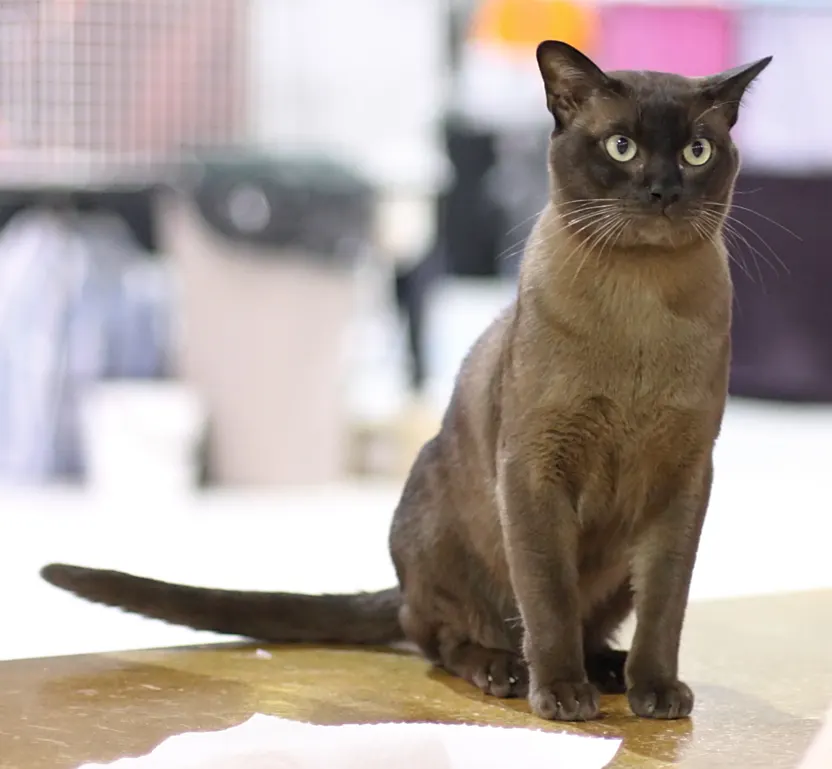
A Burmese cat is a social, satin-coated companion of about 8 to 12 pounds.
The cat may walk with a ventroflexed neck, chin toward the chest, and weak legs.
They often want to be in the same room, on the same blanket, and in the same conversation.