Burmese Cat
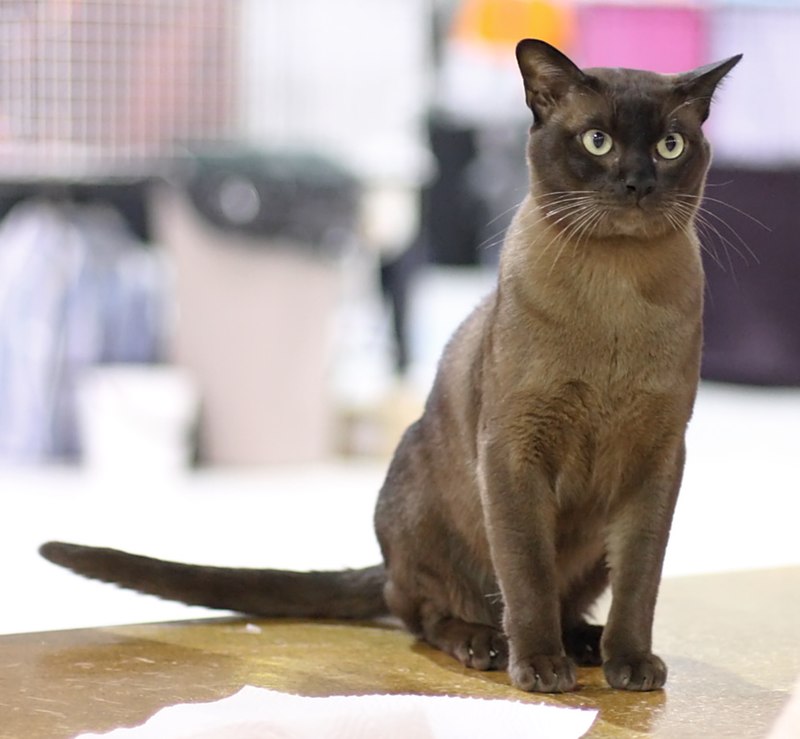
Quick Facts
| Attribute | Details |
|---|---|
| Size | Medium (8-12 lbs) |
| Weight | Males: 10-12 lbs, Females: 8-10 lbs |
| Lifespan | 15-18 years |
| Temperament | Social, Playful, People-Oriented |
| Good with Kids | Excellent |
| Good with Other Pets | Excellent |
| Grooming Needs | Low |
| Vocalization | Moderate to High |
| Activity Level | High |
Recommended for Burmese Cats
Basepaws DNA Test - Genetic health screening for cats | Spot Insurance - Coverage for diabetes & genetic conditions | Chewy - Interactive toys and supplies
Burmese Cat Overview
The Burmese is a medium-sized cat breed known for its compact, muscular body and incredibly social personality. Often described as "velcro cats" or "dog-like," Burmese cats form deep bonds with their families and thrive on human interaction. The breed originated from a single cat named Wong Mau, brought from Burma (now Myanmar) to the United States in 1930.
Burmese cats are famous for their satin-like coat, expressive golden eyes, and charming personalities. They are heavier than they appear due to their solid, muscular build - often called "bricks wrapped in silk." Their need for companionship makes them unsuitable for owners who are away frequently.
The Burmese Cat is a breed that exemplifies the remarkable diversity found within the domestic cat world. With a typical lifespan of 15-18 years, bringing a Burmese Cat into your home represents a significant commitment—one that, when properly informed, leads to one of the most rewarding companion animal relationships possible. The Burmese Cat's social, playful, people-oriented character is not simply a breed description but reflects deep-seated behavioral tendencies shaped by genetics, early socialization, and the breed's historical development. Understanding these underlying factors helps owners create environments and routines that bring out the best in their Burmese Cat.
What many prospective Burmese Cat owners discover quickly is that this breed has a distinctive personality that sets it apart from the generic notion of what a cat is like. The social, playful, people-oriented traits associated with Burmese Cat manifest in daily life through specific play preferences, social interaction patterns, vocalization tendencies, and activity rhythms. Some Burmese Cat are notably more interactive and demanding of attention than average, while others may display an independent streak that requires a different approach to bonding and enrichment. Understanding where your individual Burmese Cat falls on this spectrum—and adjusting your care approach accordingly—is one of the keys to a harmonious human-cat relationship.
Share planned diet changes with the vet before implementation — they see interactions that generic advice cannot account for.
Temperament & Personality
Burmese cats have distinctive personality traits that make them unforgettable: Your veterinarian and experienced Burmese owners can offer perspective tailored to your situation.
- People-Oriented: They crave human companionship and will follow you everywhere, often called "shadow cats."
- Playful Throughout Life: Burmese maintain kitten-like playfulness well into their senior years.
- Vocal Communicators: They have softer voices than Siamese but will engage in conversations with their owners.
- Lap Cats: True lap cats that love to cuddle and sleep with their humans.
- Intelligent: Quick learners who can be taught tricks and enjoy puzzle toys.
- Social Butterflies: Usually friendly with visitors and adapt well to new people.
The social, playful, people-oriented temperament of the Burmese Cat manifests in daily life through patterns of behavior that experienced owners learn to anticipate, appreciate, and manage. Unlike dogs, cats express their personality through more nuanced channels—the slow blink that signals trust, the tail position that communicates mood, the specific vocalizations reserved for different contexts and people. With Burmese Cat, these communicative behaviors are often more pronounced and distinctive than in many other breeds, which is part of what makes the breed so engaging for owners who take the time to learn their individual cat's behavioral vocabulary.
Common Health Issues
Burmese cats have some breed-specific health concerns: Your veterinarian and experienced Burmese owners can offer perspective tailored to your situation.
Genetic Conditions
- Diabetes Mellitus: Burmese have a higher predisposition to diabetes than many other breeds.
- Hypokalemia: A genetic condition causing low potassium levels leading to muscle weakness.
- Burmese Head Defect: A fatal developmental abnormality in some kittens (responsible breeders test for this).
hyperthyroidism, urinary tract conditions, and skin sensitivities
- Dental Disease: Prone to gingivitis and periodontal disease; regular dental care is essential.
- Eye Conditions: Cherry eye and corneal sequestrum can occur.
- Obesity: Their love of food combined with their compact build makes weight management important.
Health Screening Recommendation
Ask breeders about testing for hypokalemia and head defect genes. Consider Basepaws DNA testing and regular glucose monitoring given their diabetes risk.
Taking care of a Burmese Cat's long-term health means knowing what to watch for and when to act. Rather than waiting for obvious symptoms, experienced owners learn to read the quieter signals: a skipped meal here, a hesitation on the stairs there. Bringing those details to your vet during regular visits creates a much richer clinical picture than a single exam can provide on its own, and it is often the difference between catching an issue early and dealing with it late.
Genetic testing gives Burmese Cat owners a head start on conditions that might otherwise catch them off guard. By understanding which health risks are written into your Burmese Cat's DNA, you can work with your vet to schedule targeted checks and make informed choices about diet, exercise, and supplementation. The information is not a diagnosis — it is a roadmap for smarter, more personalized care.
The shift from prime adulthood to the senior phase is gradual for most Burmese Cats, and the owners who navigate it best are the ones who adapt their care approach incrementally. Small changes — a diet with better joint support, slightly shorter but more frequent exercise sessions, and annual bloodwork instead of biennial — add up to a meaningfully better quality of life in the later years.
Cost of Ownership
Understanding the full cost helps prepare for Burmese ownership.
| Expense Category | Annual Cost Estimate |
|---|---|
| Food (premium quality) | $300-$500 |
| Veterinary Care (routine) | $200-$400 |
| Pet Insurance | $250-$500 |
| Grooming (supplies) | $30-$60 |
| Litter & Supplies | $200-$400 |
| Toys & Enrichment | $100-$200 |
| Total Annual Cost | $1,080-$2,060 |
Initial Costs: Burmese kittens from reputable breeders typically cost $600-$1,500. Show-quality cats can cost $2,000 or more.
Save on Burmese Cat Care
Chewy Autoship - Save up to 35% on food & supplies | Lemonade Pet - Affordable cat insurance from $12/month | Feliway - Stress reduction products
Most new Burmese Cat owners are surprised by first-year costs. The initial setup — vet visits, vaccinations, supplies, and often training classes — can easily double the annual maintenance figure. The good news is that subsequent years are more predictable. Just keep in mind that senior Burmese Cats may need additional care as they enter the last few years of their 15-18 years lifespan.
Care Requirements
Burmese cats need attention and engagement.
- Companionship: Not suited for homes where they'll be alone for long periods - consider getting two.
- Interactive Play: 30+ minutes of active play daily to burn energy.
- Mental Stimulation: Puzzle feeders, training sessions, and interactive toys.
- Vertical Space: Cat trees and perches for climbing and surveying.
- Indoor Living: Best kept indoors due to their trusting nature.
Grooming Needs
Burmese cats have minimal grooming requirements: Understanding how this applies specifically to Burmese helps you avoid common pitfalls.
- Brushing: Weekly brushing is sufficient to remove loose hair.
- Coat Type: Short, satin-like coat that sheds minimally.
- Bathing: Rarely needed; they are excellent self-groomers.
- Nail Trimming: Every 2-3 weeks.
- Dental Care: Daily brushing recommended due to dental disease predisposition.
- Ear Cleaning: Monthly checks and cleaning as needed.
Nutrition & Feeding
Proper nutrition supports Burmese health: Your veterinarian and experienced Burmese owners can offer perspective tailored to your situation.
- High-Protein Diet: Quality animal protein should be the main ingredient.
- Low Carbohydrate: Important given their diabetes predisposition.
- Portion Control: They love food and can become overweight easily.
- Measured Meals: Two to three measured meals daily rather than free-feeding.
- Fresh Water: Multiple water sources; many enjoy fountains.
Top Food Choices for Burmese Cats
Smalls Cat Food - Human-grade fresh cat food | Instinct - High-protein, low-carb options | Chewy - Premium cat food selection
Is a Burmese Cat Right for You?
This is a part of Burmese care where early understanding converts urgency into routine when the time comes. Generic recommendations are a reasonable starting point, but the Burmese you live with ultimately sets the standard.
Burmese Cats Are Great For:
- People who work from home or have flexible schedules
- Families with children who want an interactive, playful cat
- Those wanting a cat-like, loyal feline companion
- Multi-cat households (they love feline companionship)
- People who enjoy an engaged, communicative pet
Burmese Cats May Not Be Ideal For:
- People away from home frequently or for long periods
- Those seeking an independent, low-maintenance cat
- People who prefer quiet cats
- Those unable to provide regular interactive play time
Whether a Burmese Cat fits your life comes down to a few practical questions. How much time can you realistically spend on exercise, grooming, and training each day? Is your living space suitable? Can you afford both routine care and the occasional surprise vet bill over the next 15-18 years? If the honest answers line up, a Burmese Cat can be a genuinely good match. If they don't, there is no shame in choosing a different cat — or waiting until your circumstances change.
Related Breeds to Consider
If you're interested in Burmese cats, you might also consider.
- Tonkinese - Burmese-Siamese cross with similar personality
- Bombay - Burmese-American Shorthair cross, black coated
- European Burmese - More color varieties, slightly different build
- Siamese - Similar vocalization and social nature
Ask Our AI About Burmese Cats
Have specific questions about Burmese cat health, nutrition, or care? Our AI assistant can provide personalized guidance.
Hypertrophic Cardiomyopathy Screening for Burmese
HCM affects an estimated 6-10% of Burmese cats based on available screening data, with the breed also predisposed to diabetes mellitus. No validated HCM-specific genetic test exists for Burmese, though the breed is well-studied for other genetic conditions including head defect and hypokalemia.
Screening Protocol: Echocardiographic screening from 2 years of age is recommended. Burmese are generally cooperative patients, facilitating thorough cardiac assessment.
Burmese cats' predisposition to diabetes means metabolic syndrome components may compound cardiac risk. Maintaining healthy weight and monitoring blood glucose are part of holistic cardiac risk management.
Key Risk Factors: Obesity and concurrent diabetes mellitus are significant compounding factors. The breed's naturally muscular build can make body condition scoring challenging.
Related Health & Care Guides
Not every aspect of Burmese ownership is the visible stuff — training or diet — but some of the less-discussed ones compound most meaningfully over years.
Get Personalized AI Guidance
Ask Our AI NowDecision Guides for Burmese Cat
Use these only when comparing food, insurance, ownership budget, or beginner fit for this specific pet.