Bird Species Selection Guide
Choosing the right bird species is one of the most important decisions you'll make as a bird owner. Different species have vastly different care requirements, noise levels, lifespans, and personalities. This guide compares popular pet bird species to help you find the perfect match for your lifestyle.
Key Factors to Consider
Before selecting a species, honestly evaluate these aspects of your life.
Lifestyle Considerations
- Living situation: Apartment dwellers need quieter species; noise restrictions matter
- Time available: Social birds need hours of daily interaction
- Experience level: Some species are better for beginners than others
- Family composition: Children, other pets, and household activity levels affect bird choice
- Budget: Consider ongoing costs for food, toys, veterinary care, and potential lifetime costs
- Long-term commitment: Some parrots live 50+ years — longer than many marriages
Budgerigars (Budgies/Parakeets)
- Size: 6-8 inches
- Lifespan: 5-10 years (up to 15 with excellent care)
- Noise level: Low to moderate; pleasant chatter and chirps
- Talking ability: Males can develop extensive vocabularies
- Personality: Playful, curious, can be quite affectionate when hand-tamed
- Care level: Beginner-friendly
- Social needs: Do well solo with human interaction or in pairs/groups
- Best for: First-time bird owners, apartments, families with older children
Considerations: Small size makes them fragile; need mental stimulation; prone to obesity on seed-only diets; can be nippy if not properly socialized.
Cockatiels
- Size: 12-13 inches (including tail)
- Lifespan: 15-25 years
- Noise level: Moderate; males whistle tunes, females quieter
- Talking ability: Limited words, excellent whistlers and mimics
- Personality: Gentle, affectionate, cuddly, generally calm
- Care level: Beginner-friendly
- Social needs: Bond closely with owners, need daily interaction
- Best for: First-time bird owners, families, those wanting an affectionate companion
Considerations: Dusty species (produce powder down); prone to night frights; females may lay eggs even without mate; need larger cage than budgies.
Finches (Zebra, Society, Gouldian)
- Size: 4-5 inches
- Lifespan: 5-10 years
- Noise level: Low; pleasant chirps and songs
- Talking ability: None
- Personality: Active, entertaining to watch, prefer bird companions
- Care level: Beginner-friendly (hands-off)
- Social needs: Should be kept in pairs or groups; minimal human handling
- Best for: People who want birds but not handling, apartment dwellers
Considerations: Not cuddly pets; need flight space (long cage preferred); Gouldians require warmer temperatures; prolific breeders if mixed sexes.
Canaries
- Size: 4-5 inches
- Lifespan: 10-15 years
- Noise level: Low to moderate; males are beautiful singers
- Talking ability: None
- Personality: Independent, less social than finches, appreciated for song
- Care level: Beginner-friendly (hands-off)
- Social needs: Can be kept alone; may fight if housed together
- Best for: Those wanting beautiful song, low-maintenance bird ownership
Considerations: Males sing, females don't; need space to fly; generally don't enjoy handling; various types bred for color, song, or shape.
Lovebirds
- Size: 5-7 inches
- Lifespan: 10-15 years
- Noise level: Moderate; can be shrill
- Talking ability: Rare and limited
- Personality: Bold, feisty, affectionate with bonded humans, spirited
- Care level: Intermediate (personality can be challenging)
- Social needs: Bond intensely; can be solo with significant human time
- Best for: Those wanting "big parrot personality" in small package
Considerations: Can be nippy; may become territorial; don't need pairs (myth); can be jealous; need lots of toys and interaction.
Green-Cheeked Conures
- Size: 10 inches
- Lifespan: 20-30 years
- Noise level: Moderate; quietest conure species
- Talking ability: Limited; may learn a few words
- Personality: Playful, cuddly, clownish, acrobatic
- Care level: Intermediate
- Social needs: Very social; need significant daily interaction
- Best for: Those wanting affectionate parrot without extreme noise
Considerations: Can be nippy during adolescence; prone to feather picking if bored; need lots of toys; mutations available (pineapple, turquoise, etc.).
Sun Conures
- Size: 12 inches
- Lifespan: 20-30 years
- Noise level: VERY HIGH; piercing screams
- Talking ability: Limited
- Personality: Vibrant, affectionate, playful, attention-seeking
- Care level: Intermediate
- Social needs: Extremely social; demand attention
- Best for: Those who can tolerate noise, have understanding neighbors
Considerations: One of the loudest pet birds; stunning appearance; not apartment-appropriate; screaming can be challenging to manage.
Noise Considerations
Many birds are rehomed due to noise. Conures, cockatoos, and some other species can reach 100+ decibels — louder than a chainsaw. Research noise levels before committing, and consider visiting birds of your chosen species to hear them firsthand.
Quaker Parrots (Monk Parakeets)
- Size: 11-12 inches
- Lifespan: 20-30 years
- Noise level: Moderate to high
- Talking ability: Excellent; clear speakers
- Personality: Feisty, intelligent, comical, confident
- Care level: Intermediate
- Social needs: Social but can be independent
- Best for: Those wanting good talkers without huge parrot commitment
Considerations: Illegal in some states (check local laws); can become territorial of cage; unique nest-building behavior; prone to fatty liver if overfed.
Senegal Parrots
- Size: 9 inches
- Lifespan: 25-40 years
- Noise level: Low to moderate; one of the quieter parrots
- Talking ability: Moderate; can learn phrases
- Personality: Calm, steady, loyal, can be one-person birds
- Care level: Intermediate
- Social needs: Tend to bond to one person
- Best for: Single adults wanting quiet parrot companion
Considerations: May become aggressive with non-bonded family members; need patient socialization; can be stubborn; part of Poicephalus family.
Caiques (Black-Headed and White-Bellied)
- Size: 9-10 inches
- Lifespan: 25-40 years
- Noise level: Moderate; distinctive calls
- Talking ability: Limited
- Personality: Extremely playful, energetic, clownish, "class clown" of parrots
- Care level: Intermediate to advanced (high energy)
- Social needs: Very demanding; need extensive play time
- Best for: Active owners who can match their energy
Considerations: Known for "surfing" and hopping; can be nippy; high energy can be exhausting; may not mix well with other birds; need sturdy toys.
African Grey Parrots
- Size: 12-14 inches
- Lifespan: 40-60 years
- Noise level: Moderate; excellent mimics (including household sounds)
- Talking ability: Exceptional; considered the best talkers
- Personality: Highly intelligent, sensitive, can be shy, analytical
- Care level: Advanced
- Social needs: Need mental stimulation; prone to feather picking if bored
- Best for: Experienced bird owners with time for extensive engagement
Considerations: Prone to calcium deficiency; very sensitive to environment changes; can be fearful of new things; need patient, consistent handling; dusty species.
Amazon Parrots
- Size: 10-18 inches (varies by species)
- Lifespan: 40-70 years
- Noise level: High; can be very loud especially at dawn/dusk
- Talking ability: Excellent; known for clear speech and singing
- Personality: Bold, outgoing, dramatic, moody during breeding season
- Care level: Advanced
- Social needs: Need attention but can be independent
- Best for: Experienced owners who appreciate bold personalities
Considerations: Can become aggressive during hormonal periods; prone to obesity; need experienced handling; many species (Yellow-Naped, Double Yellow-Head, Blue-Fronted most common).
Cockatoos
- Size: 12-24 inches (varies by species)
- Lifespan: 40-70+ years
- Noise level: EXTREMELY HIGH; among the loudest birds
- Talking ability: Moderate; not known for extensive speech
- Personality: Extremely affectionate, demanding, emotionally complex
- Care level: Expert only
- Social needs: Need constant attention; often called "velcro birds"
- Best for: Experienced owners with extensive time and understanding neighbors
Considerations: High rate of rehoming due to demands; extremely dusty; prone to feather picking and self-mutilation if neglected; screaming can be severe; need specialized diet.
Cockatoo Commitment
Cockatoos are one of the most frequently rehomed parrots due to their intense needs. They require multiple hours of daily interaction and can become neurotic, self-destructive, or extremely loud when their social needs aren't met. Consider carefully before acquiring one.
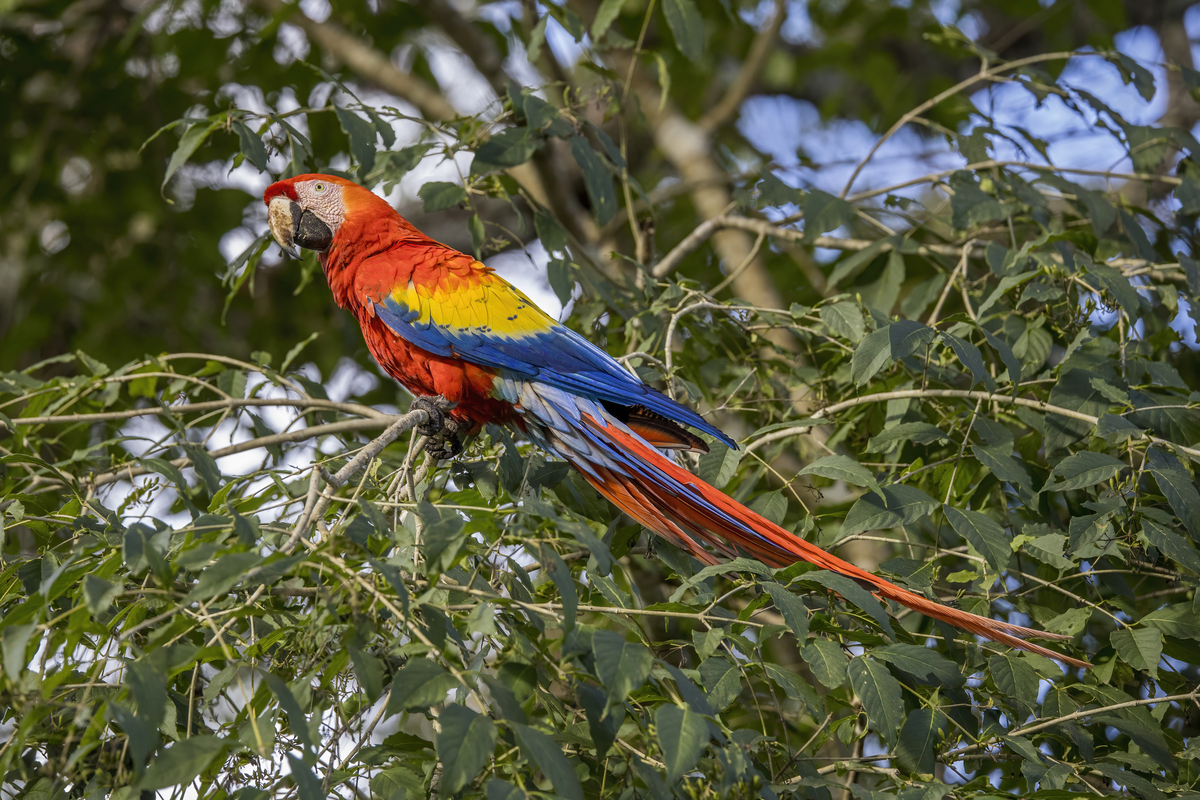
Macaws
- Size: 12-40 inches (mini to large species)
- Lifespan: 30-60+ years (larger species live longer)
- Noise level: HIGH to VERY HIGH
- Talking ability: Good; can learn words and phrases
- Personality: Majestic, intelligent, can be gentle giants or spirited
- Care level: Advanced to expert
- Social needs: Need significant interaction and mental stimulation
- Best for: Experienced owners with space and resources
Considerations: Need very large cages and play areas; powerful beaks can cause injury; mini macaws (Hahn's, Severe) more manageable; expensive initial and ongoing costs.
Eclectus Parrots
- Size: 17-20 inches
- Lifespan: 30-50 years
- Noise level: Moderate; generally quieter than similar-sized parrots
- Talking ability: Very good; clear speech
- Personality: Gentle, calm, intelligent, can be reserved
- Care level: Advanced (dietary requirements)
- Social needs: Social but can be independent
- Best for: Experienced owners willing to provide specialized diet
Considerations: Extreme sexual dimorphism (males green, females red); unique digestive system requiring high fresh food diet; can be sensitive to artificial vitamins; females can be territorial.
Comparison Quick Reference
Care plans built around your bird-level detail tend to make fewer mistakes than care plans built around averages.
Best for Apartments
- Finches and canaries
- Budgies
- Cockatiels (with consideration)
- Green-cheeked conures (quietest conure)
- Senegal parrots
Best Talkers
- African Grey (best overall)
- Amazon parrots
- Quaker parrots
- Budgies (males, surprisingly good)
- Eclectus
Best for Beginners
- Budgies
- Cockatiels
- Finches and canaries
- Green-cheeked conures (with research)
Most Affectionate
- Cockatoos (to a fault)
- Cockatiels
- Green-cheeked conures
- Caiques (playfully affectionate)
Longest Lived
- Large macaws (60-80+ years)
- Cockatoos (60-80+ years)
- Amazons (50-70+ years)
- African Greys (50-60+ years)
Where to Get Your Bird
Master this layer of bird care and everything from feeding to vet visits becomes more predictable. Watch your individual bird for feedback signals, and tune routines to the patterns you actually see.
Reputable Sources
- Rescue organizations: Many wonderful birds need homes; often lower cost, known personalities
- Reputable breeders: Health-tested, properly socialized birds
- Avian specialty stores: Staff knowledge, ongoing support
Red Flags to Avoid
- Unsanitary conditions
- Seller unwilling to show parents or facilities
- No health guarantee or contract
- Birds shipped without proper documentation
- Extremely low prices (may indicate problems)
Ask the AI About Bird Species
Need help deciding which bird species is right for your lifestyle? Our AI assistant can help you compare options and make an informed decision.