Bird Health and Symptom Guide
Birds are masters at hiding illness — a survival instinct that makes early detection crucial. By the time a bird shows obvious signs of sickness, it may already be seriously ill. This resource helps you recognize health problems early and understand when veterinary care is needed.
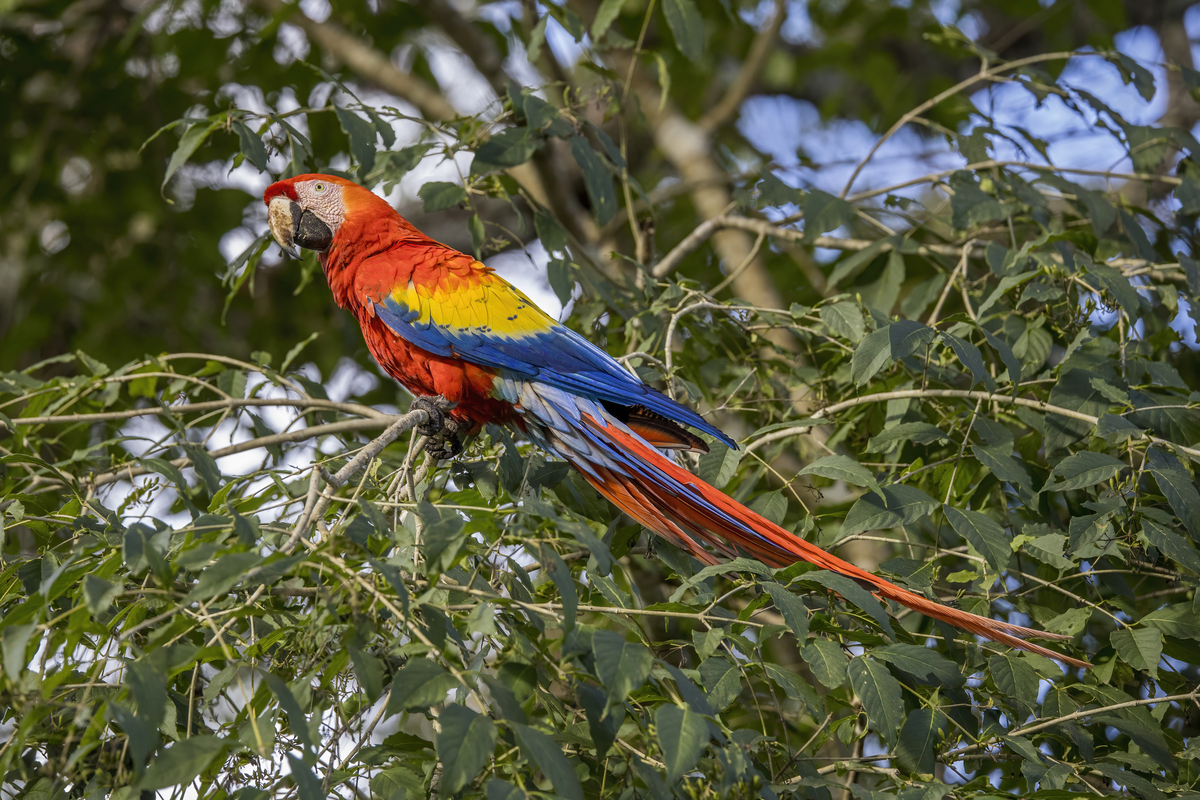
Emergency Warning Signs - Seek Immediate Veterinary Care
These symptoms require emergency avian veterinary care: bleeding that won't stop, labored or open-mouth breathing, seizures, extreme weakness or inability to stand, severe trauma or injury, suspected poisoning, complete loss of appetite for 24+ hours, or unconsciousness. Do not wait — birds decline rapidly.
Understanding Normal Bird Health
To recognize when something is wrong, you must first know what's normal for your bird. Your avian veterinarian and experienced bird owners can offer perspective tailored to your situation.
Signs of a Healthy Bird
- Eyes: Bright, clear, alert, and fully open
- Nares (nostrils): Clean and dry, no discharge
- Beak: Smooth, properly aligned, no overgrowth
- Feathers: Smooth, sleek, vibrant color, regular preening
- Posture: Upright, balanced, active
- Behavior: Alert, curious, interactive, normal vocalizations
- Appetite: Eating and drinking normally
- Droppings: Consistent in color and consistency (varies by diet)
- Weight: Stable, appropriate for species
Normal Bird Droppings
Bird droppings consist of three parts.
- Feces: Usually green or brown, formed
- Urates: White or cream-colored, chalky
- Urine: Clear liquid component
Color and consistency can vary with diet (berries cause purple droppings, pellets may affect color). Know your bird's normal baseline.
Warning Signs of Illness
Any change from normal behavior warrants attention. Multiple symptoms increase urgency.
Behavioral Changes
- Lethargy: Decreased activity, sleeping more than usual
- Fluffed feathers: Staying puffed up (birds do this to conserve heat when ill)
- Sitting on cage floor: Healthy birds rarely do this
- Decreased vocalization: Unusually quiet bird
- Changes in personality: Friendly bird becoming aggressive, or vice versa
- Loss of balance: Falling off perch, unsteady movement
- Head tilting: Can indicate ear infection or neurological issue
Physical Symptoms
- Eye problems: Swelling, discharge, cloudiness, squinting, crusting
- Nasal discharge: Any discharge from nares
- Breathing issues: Tail bobbing, open-mouth breathing, clicking or wheezing
- Feather problems: Excessive feather loss, broken feathers, bald patches, stress bars
- Beak abnormalities: Overgrowth, discoloration, cracks
- Foot problems: Swelling, sores, overgrown nails, lameness
- Weight loss: Prominent keel bone (breast bone)
- Regurgitation/vomiting: Repeated head-bobbing with food expulsion
Dropping Changes
- Color changes: Very dark, bloody, or unusual colors not diet-related
- Consistency: Watery diarrhea or undigested food
- Volume: Significant increase or decrease
- Frequency: Much more or less frequent than normal
- Yellow/green urates: May indicate liver problems
- Blood in droppings: Serious symptom requiring immediate attention
Common Bird Diseases and Conditions
Master this layer of bird care and everything from feeding to vet visits becomes more predictable. Treat published advice as a framework, then shape it around the particular bird sitting in your home.
Respiratory Infections
One of the most common problems in pet birds, ranging from mild to life-threatening.
- Symptoms: Nasal discharge, tail bobbing, labored breathing, sneezing, clicking sounds
- Causes: Bacterial, viral, or fungal infections; environmental irritants
- Treatment: Requires veterinary diagnosis and appropriate antimicrobial therapy
- Prevention: Good air quality, avoiding drafts, quarantine new birds
Psittacosis (Parrot Fever)
A bacterial infection that can spread to humans (zoonotic disease).
- Symptoms: Respiratory issues, eye discharge, green droppings, lethargy, weight loss
- Treatment: Extended course of antibiotics (doxycycline)
- Note: Humans can contract this from infected birds; inform your doctor if exposed
Psittacine Beak and Feather Disease (PBFD)
A serious viral disease affecting the immune system and feather/beak development.
- Symptoms: Abnormal feather growth, feather loss, beak abnormalities, immunosuppression
- Prognosis: No cure; supportive care only
- Prevention: Test new birds before introducing to existing flock
Proventricular Dilatation Disease (PDD)
A viral disease affecting the nerves of the digestive system.
- Symptoms: Weight loss despite good appetite, undigested seeds in droppings, regurgitation
- Prognosis: Chronic, manageable but not curable
- Treatment: Anti-inflammatory medications, specialized diet
Aspergillosis
A fungal infection primarily affecting the respiratory system.
- Symptoms: Respiratory distress, voice changes, weight loss, lethargy
- Causes: Aspergillus fungus, often from moldy food, bedding, or humid environments
- Treatment: Antifungal medications; often requires long-term therapy
Polyomavirus
A viral infection particularly dangerous to young birds and budgerigars.
- Symptoms: Sudden death in young birds, abdominal swelling, delayed crop emptying
- Prevention: Vaccine available for at-risk species
Egg Binding
When a female bird cannot pass an egg — a life-threatening emergency.
- Symptoms: Straining, sitting on cage floor, fluffed feathers, distended abdomen, weakness
- Treatment: Immediate veterinary care; may require calcium, fluids, or surgical intervention
- Prevention: Proper nutrition (calcium), discourage chronic egg laying
Egg Binding Emergency
If you suspect egg binding, provide gentle warmth and humidity while transporting to a veterinarian immediately. Do not attempt to extract the egg yourself — this can cause fatal internal injuries.
Feather Destructive Behavior
Self-destructive feather picking, plucking, or barbering.
- Causes: Medical (skin disease, parasites, nutritional deficiencies) or behavioral (boredom, stress, anxiety)
- Diagnosis: Requires veterinary workup to rule out medical causes first
- Treatment: Address underlying cause; may require environmental changes, enrichment, behavioral modification
Toxins and Poisoning
Birds are extremely sensitive to toxins due to their efficient respiratory systems and small body size.
Deadly Household Toxins
These can kill birds rapidly, sometimes within minutes.
- PTFE/Teflon fumes: Overheated non-stick cookware releases toxic fumes
- Self-cleaning oven fumes: Extremely dangerous when activated
- Aerosol sprays: Hair spray, air fresheners, cleaning products
- Scented candles and incense: Fumes can be fatal
- Cigarette smoke: Causes respiratory damage and cancer
- Lead and zinc: Found in old paint, some toys, galvanized metal
Toxic Foods
- Avocado: Contains persin, toxic to birds
- Chocolate: Contains theobromine
- Caffeine: Coffee, tea, energy drinks
- Alcohol: Even small amounts can be fatal
- Onions and garlic: Can cause blood cell damage
- Fruit pits and apple seeds: Contain cyanide compounds
- Salt: Excessive amounts can cause electrolyte imbalances
- Xylitol: Artificial sweetener found in many products
Toxic Plants
Many common houseplants are toxic to birds, including: philodendron, pothos, dieffenbachia, lily varieties, oleander, azalea, rhododendron, and poinsettia. Keep all plants out of reach or verify safety before allowing access.
Signs of Poisoning
- Sudden weakness or collapse
- Difficulty breathing
- Seizures or tremors
- Vomiting or regurgitation
- Disorientation
- Sudden death
If poisoning is suspected, contact an avian veterinarian or ASPCA Animal Poison Control (888-426-4435) immediately.
Annual Veterinary Exams
Even healthy birds should see an avian veterinarian annually for.
- Physical examination
- Weight monitoring
- Baseline blood work (recommended for early disease detection)
- Fecal testing for parasites
- Disease screening as appropriate
- Nutritional counseling
- Nail and wing trims if needed
Daily Health Monitoring
Make these checks part of your daily routine.
- Observe overall activity level and behavior
- Check droppings (easiest with paper cage liner)
- Monitor food and water consumption
- Listen for abnormal breathing sounds
- Note any changes from normal
Weekly Weight Monitoring
Weigh your bird weekly using a gram scale. Weight loss of more than 10% warrants veterinary attention. Morning weights before feeding are most consistent.
Quarantine Protocols
When adding new birds to your home.
- Quarantine in a separate room for 30-90 days
- Have new birds tested for common diseases
- Handle established birds before new birds
- Use separate equipment for each group
- Wash hands thoroughly between birds
Creating a Bird First Aid Kit
Be prepared for minor emergencies with these supplies: Your avian veterinarian and experienced bird owners can offer perspective tailored to your situation.
- Styptic powder (for bleeding nails or feathers)
- Cornstarch (backup for minor bleeding)
- Gauze pads and medical tape
- Small towel for restraint
- Heating pad or heat lamp
- Hospital cage or small carrier
- Gram scale for weighing
- Pedialyte or electrolyte solution
- Syringes (needleless) for administering fluids
- Avian veterinarian's phone number and after-hours emergency contact
- ASPCA Poison Control number: (888) 426-4435
Finding an Avian Veterinarian
Not all veterinarians are qualified to treat birds. Look for.
- ABVP Board Certified Avian Specialist: Highest qualification
- AAV (Association of Avian Veterinarians) member: Indicates special interest in birds
- Experience: Ask how many bird patients they see
Establish a relationship before an emergency occurs. Know the location of the nearest emergency clinic that treats birds.
Ask the AI About Bird Health
Concerned about your bird's health? Our AI assistant can help you understand symptoms and determine urgency. Remember: this is not a substitute for professional veterinary care.