Bernese Mountain Dog Shedding
This page is educational reference material for preparing questions. A licensed veterinarian examines the animal, makes the diagnosis, and sets the treatment.
Bernese Mountain Dog shedding level: heavy. Seasonal patterns, best brushes, deshedding tools, and reducing loose fur in your home.
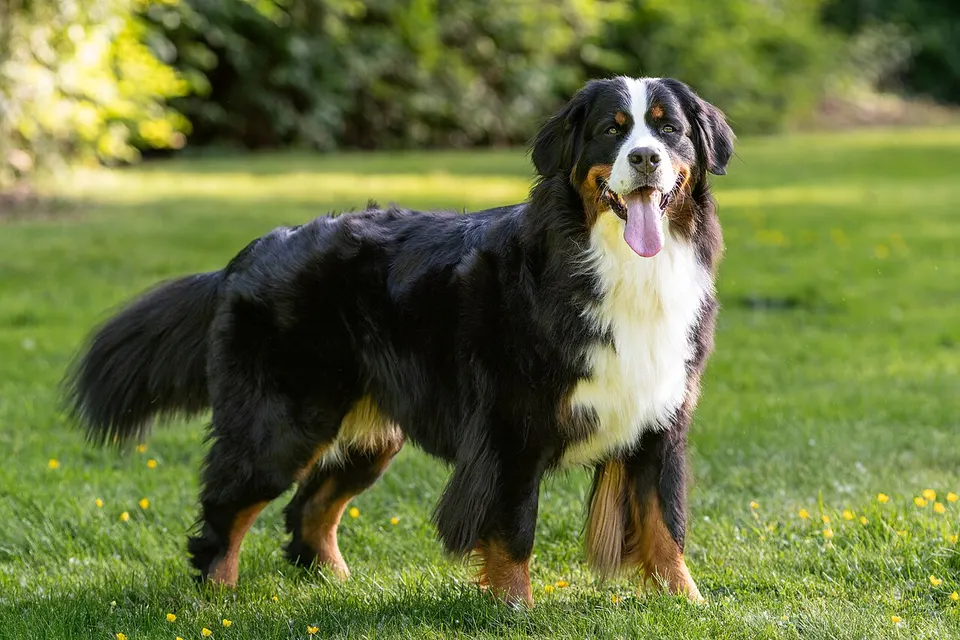
Shedding Level
Bernese Mountain Dogs have a heavy shedding level. Prepare for significant hair around your home — invest in a good vacuum and lint rollers. Daily brushing during shedding season is non-negotiable.
Plan for 70-115 lbs of animal and 6-8 yrs of companionship with a Bernese Mountain Dog; the breed-specific care considerations are the kind it pays to read up on before day one. At 70-115 lbs with a life expectancy of 6-8 yrs, the Bernese Mountain Dog represents a significant commitment that rewards prepared owners with years of devoted companionship.
Known Health Risks: Genetic screening data shows Bernese Mountain Dogs have elevated rates of cancer, hip dysplasia, bloat. Breed-level risk is population-level information; individual outcomes vary widely. The practical payoff of breed-aware veterinary care is earlier detection in the cases where risk does materialize.
Seasonal Changes
- Size: large (70-115 lbs)
- Energy Level: Moderate
- Shedding: Heavy
- Lifespan: 6-8 yrs
Best Brushes & Tools
Care that accounts for breed predispositions leads to earlier detection and better prevention. Practical Bernese Mountain Dogs care is shaped by three things: large size, heavy shedding, and a known predisposition to cancer and hip dysplasia.
Reducing Shed Hair
At 70-115 lbs with a life expectancy of 6-8 yrs, the Bernese Mountain Dog represents a significant commitment that rewards prepared owners with years of devoted companionship. Lack of physical activity affects behavior before it affects weight — restlessness and attention-seeking often precede visible fitness changes.
Furniture & Clothing Protection
Informed ownership goes deeper than the basic care checklist for any breed. As a working breed, the Bernese Mountain Dog has instincts and behaviors shaped by centuries of selective breeding for specific tasks.
When Shedding Indicates Problems
Building prevention around a breed's documented risks is one of the higher-leverage calls an owner can make. Watch for early signs of cancer, maintain regular veterinary visits, and keep your dog at a healthy weight — excess weight worsens most of the conditions Bernese Mountain Dogs are prone to.
Veterinary Care Schedule for Bernese Mountain Dogs
A regular vet schedule based on your Bernese Mountain Dog's age and breed-specific risks is the best health investment you can make. Use this as a starting point — your vet may adjust based on individual health.
| Life Stage | Visit Frequency | Key Screenings |
|---|---|---|
| Puppy (0-1 year) | Every 3-4 weeks until 16 weeks, then at 6 and 12 months | Vaccinations, deworming, spay/neuter (consult AVMA guidelines on optimal timing) consultation |
| Adult (1-7 years) | Annually | Physical exam, dental check, heartworm test, vaccination boosters |
| Senior (7+ years) | Every 6 months | Blood work, urinalysis, Cancer screening, Hip Dysplasia screening, Bloat screening |
Bernese Mountain Dogs should receive breed-specific screening for cancer starting at 1-2 years of age, as large breeds develop structural issues early. The earlier you know, the more you can do about it.
Cost of Bernese Mountain Dog Ownership
More Bernese Mountain Dog Guides
Explore related topics for Bernese Mountain Dog ownership.
- Bernese Mountain Dog Pet Insurance Cost
- How to Train a Bernese Mountain Dog
- Bernese Mountain Dog Grooming Guide
- Bernese Mountain Dog Health Issues
- Bernese Mountain Dog Exercise Needs
- Bernese Mountain Dog Cost of Ownership
Cancer Surveillance Protocol
What are the most important considerations for bernese mountain dog shedding health and comfort?
Got a Specific Question?
The weeks you spend learning your dog’s patterns tend to earn themselves back in fewer urgent trips.