Jersey Wooly Rabbit
This page is educational reference material for preparing questions. A licensed veterinarian examines the animal, makes the diagnosis, and sets the treatment.
Affiliate links may earn a commission. Affiliate disclosure.
Quick Facts
| Attribute | Details |
|---|---|
| Type | Rabbit |
| Size | 2.5-3.5 lbs |
| Lifespan | 7-10 years |
| Temperament | Gentle, Docile |
| Difficulty | Beginner |
| Origin | USA |
Jersey Wooly Rabbit Overview
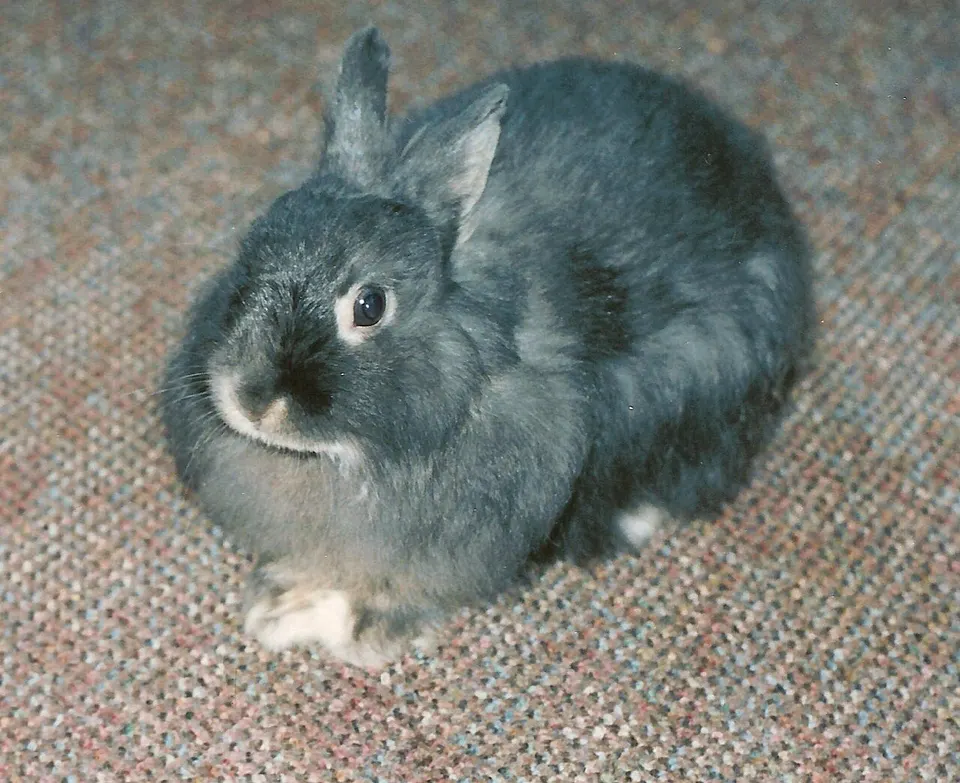
The Jersey wooly is a small wool rabbit breed from the United States, and it is not a guinea pig. Size on the card is 2.5-3.5 lbs. Lifespan is 7-10 years. Temperament is gentle and docile. Difficulty is listed as beginner. The coat is wool, which is the part those labels leave for you to discover after the rabbit is home. A guinea pig of a similar weight is a different animal with a different diet. This one is a rabbit, and the wool does not change that.
Beginner, gentle, and docile describe the handling, not the coat. A Jersey wooly still has to be groomed. The wool mats, picks up bedding, and gets swallowed during a bath the rabbit gives itself. Swallowed wool is wool block. A mass of coat in the gut is a reason the rabbit stops eating, and a wool rabbit that is behind on grooming is the one that grows that mass. Brushing and removing loose wool is maintenance on a schedule, for the whole 7-10 years, not a show-day extra.
Hay comes first. The diet of a Jersey wooly is the diet of a rabbit. Unlimited grass hay is the staple. Pellets are measured. Vegetables are a side, not the meal. Wool is not a reason to switch the animal to a guinea pig pellet or to a vitamin C supplement meant for a cavy. A rabbit that lives on soft food and treats and only nibbles hay is the rabbit whose gut slows. The wool makes that worse if the rabbit is also eating its coat. Hay is still the first thing in the pen each day.
A rabbit that stops eating needs a vet the same day. That rule is not softer because the card says beginner, and it is not slower because the temperament says docile. A Jersey wooly that refuses hay, sits hunched, or produces no droppings may be in wool block or in gut stasis, and small rabbits go downhill in hours. Do not wait overnight because the breed is only 2.5-3.5 lbs and looks quiet. Quiet is the problem. The same-day visit is the response the size demands.
The cost lines are initial setup $100-$500+, animal purchase $10-$500+, annual food and bedding $150-$500, and annual vet care $50-$200. Read the annual vet line against a 7-10 year life, not against a single checkup. Wool block and dental work blow past a $50-$200 year when they happen. The food and bedding range has to cover unlimited hay for a decade, plus the grooming tools the wool requires. A $10-$500+ purchase price is the rabbit. It is not the grooming and it is not the hay.
General guidance like this gives you the right vocabulary for the exotic vet visit where the real personalization happens for your Jersey Wooly.
Temperament & Behavior
House a Jersey wooly as a rabbit. The pen has to let a 2.5-3.5 lb animal hop, with a solid floor and hay in reach. Wool holds heat. A dense coat in a hot room is a risk even though the body is small. Do not shave the rabbit as a summer shortcut and then skip the hay because it looks less like a wool breed. Do not house it with a guinea pig. The guinea pig can be sat on, bullied, or fed the wrong pellet, and it still will not be company of the right species.
Seven to 10 years, the card's 7-10 year lifespan, is a long time to keep a coat you chose because it looked soft. Gentle and docile are real. They do not cancel grooming, wool block, or the rule that a rabbit off its hay is a same-day patient. The animal is a small wool rabbit from the United States, 2.5-3.5 lbs, not a guinea pig and not a pet that can live on pellets. Hay first, then the brush, then the vet if the appetite stops.
Housing & Environment Requirements
Provide an appropriately sized habitat for your Jersey Wooly Rabbit. Rabbits need at minimum a 4x their body length enclosure with daily free-roaming time in a rabbit-proofed area. Provide hay, hiding spots, and toys.
Diet & Nutrition
Unlimited timothy hay should make up 80% of the diet, supplemented with fresh leafy greens daily and a small amount of quality pellets. Fresh water always available.
What you feed your Jersey Wooly Rabbit matters more than most owners realize. Diet affects energy, coat condition, digestive health, immune function, and even behavior. There is no single "best food" — the right choice depends on your Jersey Wooly Rabbit's age, activity level, any health conditions, and how they respond to specific ingredients. Expect some trial and adjustment, especially in the first year.
Learning to read a pet food label takes five minutes and will serve you for the life of your Jersey Wooly Rabbit. Look at the guaranteed analysis for protein and fat percentages that match your Jersey Wooly Rabbit's needs.
Common Health Issues
Research common health concerns specific to Jersey Wooly Rabbits and find a veterinarian experienced with this species before bringing one home. Early veterinary intervention is crucial as small animals can deteriorate quickly.
Taking care of a Jersey Wooly Rabbit's long-term health means knowing what to watch for and when to act.
Genetic testing gives Jersey Wooly Rabbit owners a head start on conditions that might otherwise catch them off guard. By understanding which health risks are written into your Jersey Wooly Rabbit's DNA, you can work with your vet to schedule targeted checks and make informed choices about diet, exercise, and supplementation.
The shift from prime adulthood to the senior phase is gradual for most Jersey Wooly Rabbits, and the owners who navigate it best are the ones who adapt their care approach incrementally.
Grooming & Maintenance
Regular grooming includes daily brushing for long-haired breeds, nail trimming every 4-6 weeks, and scent gland cleaning. Spot-clean the litter area daily and deep clean weekly.
Beginner-Friendly Rating: Beginner
Jersey Wooly Rabbits are excellent for newcomers to small-animals keeping.
Before acquiring a Jersey Wooly Rabbit, research thoroughly and prepare the habitat in advance. Join online communities and forums dedicated to exotic pet keeping to connect with experienced keepers who can offer guidance specific to Jersey Wooly Rabbit care.
Socialization & Enrichment
Environmental enrichment is essential for Jersey Wooly Rabbits to thrive in captivity. Rotating enrichment items keeps the environment novel and stimulating. Social species should ideally be kept in compatible pairs or small groups.
Always wash hands before and after handling any pet. Learn to read your Jersey Wooly Rabbit's body language to understand when they are comfortable, stressed, or unwell.
Where to Find Jersey Wooly Rabbits
Find Jersey Wooly Rabbits through reputable breeders, specialty pet shops, or rescue organizations. Ensure any animal you acquire appears healthy, alert, and well-cared-for. Online communities can help connect you with responsible sources in your area.
Cost of Ownership Overview
| Expense | Estimated Cost |
|---|---|
| Initial Setup (habitat + supplies) | $100-$500+ |
| Animal Purchase | $10-$500+ |
| Annual Food & Bedding | $150-$500 |
| Annual Vet Care | $50-$200 |
Year one hits the wallet hardest. Once those one-time costs are behind you, annual spending drops — though it tends to creep back up as your Jersey Wooly Rabbit ages and needs more frequent veterinary attention in the later years.
Preventive care is not glamorous, but it is the single best investment you can make in your Jersey Wooly Rabbit's health. Routine wellness exams catch problems early, when treatment is simpler and cheaper. Most veterinary professionals agree that consistent preventive care extends both the length and quality of a Jersey Wooly Rabbit's life.
Daily Care Routine for Jersey Wooly Rabbits
Establishing a consistent daily care routine ensures your Jersey Wooly Rabbit stays healthy and thriving. Provide fresh hay and vegetables daily.
Common Questions About Jersey Wooly Rabbits
Are Jersey Wooly Rabbits good pets for children?
With proper adult supervision, Jersey Wooly Rabbits can be appropriate pets for responsible children. They teach valuable lessons about animal care and responsibility.
How much space do Jersey Wooly Rabbits need?
Jersey Wooly Rabbits require an appropriately sized habitat that meets their specific needs. Rabbits need a minimum of 4 times their body length in enclosure space, plus daily free-roaming time in a safe, rabbit-proofed area. Many rabbit owners find that a large exercise pen or dedicated room works better than a traditional cage.
How long do Jersey Wooly Rabbits live?
Jersey Wooly Rabbits typically live 7-10 years with proper care. Consider the time commitment before acquiring any pet.
What veterinary care do Jersey Wooly Rabbits need?
Find a veterinarian experienced with Jersey Wooly Rabbits before bringing one home. Annual wellness exam (AAHA Preventive Healthcare Guidelines are recommended for most species.
Long-Term Commitment & Responsible Ownership
Owning a Jersey Wooly Rabbit is a commitment for the animal's full lifespan of 7-10 years. Rabbits are a 10+ year commitment and are not suitable as temporary or impulse pets.
Identify pet sitters experienced with Jersey Wooly Rabbits, connect with online and local communities, and ensure you have emergency veterinary access. Teaching responsible pet ownership to children through proper care of a Jersey Wooly Rabbit creates lasting values about compassion and commitment.
Get Personalized Jersey Wooly Rabbit Guidance
Have specific questions about your Jersey Wooly Rabbit?
Ask Our AI NowDecision Guides for Jersey Wooly Rabbit
Use these only when comparing food, insurance, ownership budget, or beginner fit for this specific pet.
Is a Jersey Wooly Rabbit Right for You?
Jersey Wooly Rabbit May Be Great For:
- A keeper who will groom a small wool rabbit and watch for wool block and GI stasis
- Someone who wants a small rabbit and will not house it with a giant breed
- An owner with a rabbit-savvy vet and a hay-first diet
Jersey Wooly Rabbit May Not Be Ideal For:
- A first rabbit bought for a child's Easter
- Anyone who will skip grooming because the rabbit is small
- A wire-floor cage
- Plan the adult size, the vet, and the daily work for the jersey wooly before it comes home.
Owning a Jersey Wooly Rabbit is a commitment measured in years, not months. The enthusiasm of the first few weeks fades, and what remains is a daily routine of feeding, exercise, grooming, and vet visits. If that sounds like a satisfying rhythm rather than a burden, you are probably in a good position to move forward. If it sounds exhausting, it is worth reconsidering.
People who live with a Jersey Wooly Rabbit tend to develop a deep appreciation for the breed's personality — the gentle, docile nature becomes part of the household's rhythm. That bond does not happen overnight, but it builds steadily when care is consistent and expectations are grounded.
Jersey Woolies are a small wool rabbit, about 3 pounds. The coat mats to the skin when combing lapses, and swallowed wool can form a blockage in the gut. Daily combing and unlimited hay are the pair that prevents that. A wooly that stops eating is a same-day clinic visit, the same rule as for any rabbit.