Holland Lop Rabbit
This page is educational reference material for preparing questions. A licensed veterinarian examines the animal, makes the diagnosis, and sets the treatment.
Affiliate links may earn a commission. Affiliate disclosure.
Quick Facts
| Attribute | Details |
|---|---|
| Scientific Name | Oryctolagus cuniculus |
| Origin | Netherlands (1950s) |
| Size | Small (2-4 lbs / 0.9-1.8 kg) |
| Lifespan | 7-12 years |
| Diet | Herbivore (hay, vegetables, pellets) |
| Activity Level | Moderate |
| Social Needs | High - enjoys companionship |
| Care Level | Beginner-friendly |
| Space Requirements | Minimum 4x their body length enclosure |
Recommended for Holland Lop Rabbits
Oxbow - Premium timothy hay and rabbit nutrition | Kaytee - Complete habitats and bedding | Chewy Autoship - Save 35% on supplies
Housing Essentials
Kaytee - Indoor rabbit habitats and bedding | Chewy - Exercise pens and accessories | Petco - Complete rabbit starter kits
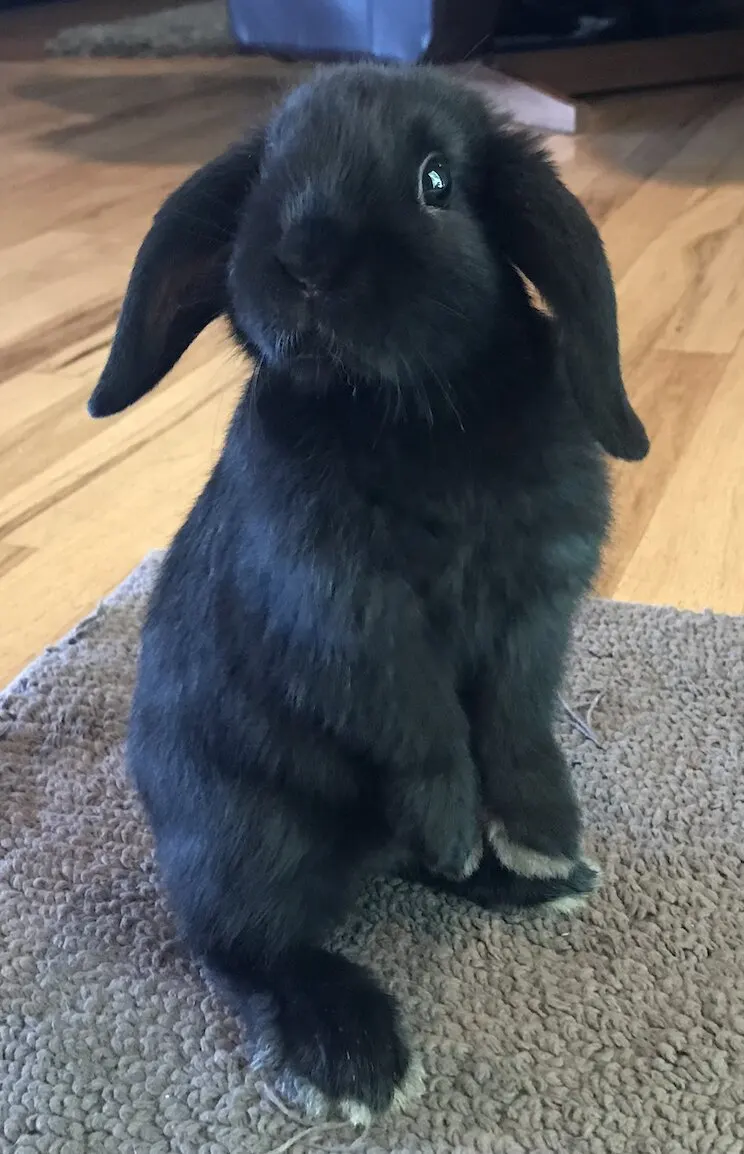
Holland Lops came out of the Netherlands in the 1950s as a dwarf lop, and they still have the compact 2- to 4-pound body and the ears that fall beside a broad head. They often live 7 to 12 years. Activity is moderate. Social needs are high. Beginner-friendly is fair if the beginner is willing to learn a herbivore, not a tiny dog.
Hay is the enclosure program
Grass hay, timothy for adults, should be available all day. It wears the teeth, which grow continuously, and it keeps the gut moving. Pellets are a measured supplement, about a quarter cup a day for many adults, adjusted to the waist. Greens such as romaine, cilantro, and herbs beat a sugary mix. A water bowl is harder to tip if it is heavy, and many rabbits drink more from a bowl than a bottle.
Housing is an exercise pen or a large hutch plus daily time in a rabbit-proofed room. The "four times body length" line in the quick facts is a minimum, not a goal. Wire floors hurt feet. Ramps should be shallow. They overheat above the mid-70s more easily than people expect, and they chew cords because the teeth demand it.
Stasis, teeth, company
A rabbit that stops eating is in danger the same day. Call a rabbit-savvy vet, offer hay, and do not wait for the mood to pass. Dental spurs from a poor diet show up as drooling and picking at food then dropping it. Spay females. Uterine cancer is common in unspayed does and the surgery also calms a lot of territorial behavior. A bonded friend is ideal. Two unbonded rabbits dumped together will fight.
The VCA rabbit pages cover stasis in plain language. On this site, the small-mammal not-eating guide and the checker both treat a rabbit that will not eat as urgent. Setup cost is often $150 to $400 if you skip the decorative hutch that is too small, then hay forever. Holland Lops suit people who want a quiet, floor-level companion. They are a poor fit for a child who wanted a pet that lives in a lunchbox.
Holland Lop hay and housing
How big is a Holland Lop?
About 2 to 4 pounds, with the heavy head and floppy ears that define the breed. Small does not mean a hamster cage. They need room to hop, often described as at least four times the rabbit's stretched-out length, and more is better.
What do they eat?
Unlimited grass hay, a measured pellet ration, and a small pile of greens. Muesli mixes and yogurt drops are how you buy dental disease and a slow gut.
What is GI stasis?
The gut slows or stops. The rabbit sits hunched, eats nothing, and produces few or no droppings. It is an emergency, not a wait-until-Monday problem, because rabbits deteriorate in hours.
Are they beginner pets?
Yes for someone who will rabbit-proof a room and feed hay. No for someone who wants a cage in a corner and a handful of cereal.
Decision Guides for Holland Lop Rabbit
Use these only when comparing food, insurance, ownership budget, or beginner fit for this specific pet.