Fennec Fox
This page is educational reference material for preparing questions. A licensed veterinarian examines the animal, makes the diagnosis, and sets the treatment.
Affiliate links may earn a commission. Affiliate disclosure.
Quick Facts
| Attribute | Details |
|---|---|
| Type | Exotic |
| Size | 9-16 inches |
| Lifespan | 10-14 years |
| Temperament | Playful, Energetic, Independent |
| Difficulty | Advanced |
| Origin | North Africa |
Fennec Fox Overview
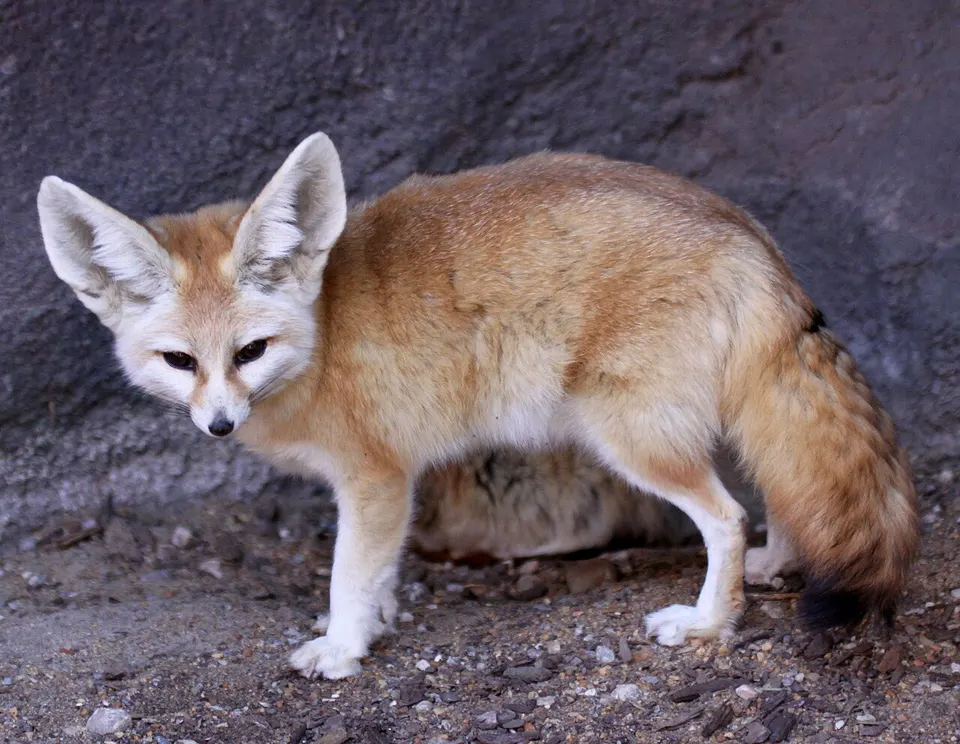
The fennec fox is Vulpes zerda, a small desert fox from North Africa. It is not a dog, not a fennec-shaped terrier, and not a pet that will settle because someone calls it a pup. This card lists 9 to 16 inches, a lifespan of 10 to 14 years, a playful, energetic, and independent temperament, and advanced difficulty. Origin is North Africa. The ears are large. The body on the card is still a fox body, with fox teeth, fox smell, and fox hours.
The first step is the law where the person lives. Many US states and many cities ban or restrict fennec foxes. A breeder's website, a cute import photo, and a neighbor who owns one are not permission. Look up the state rule and the city or county rule before you look at prices or enclosures. This page will not describe how to evade a ban, how to hide an animal, or how to relabel a fox as something else. If the law says no, the project ends.
They are nocturnal. The playful burst happens when a dog would be asleep. Expect activity late, vocal noise at night, and an animal that does not want a noon walk as its main outing. Independent on the card is accurate. They are not biddable in the way a herding dog is, and a training plan copied from a puppy class will not turn a fennec into an off-leash companion. Ten to fourteen years is a long time to be wrong about that.
They dig. A pen that would hold a dog will not hold a fennec if the floor is soil and the edges are hopeful. They need a large secure enclosure with a dig barrier, a roof or a top that cannot be climbed out of, and locks a small nose cannot solve. An apartment crate is not that enclosure. Advanced difficulty is largely this engineering plus the legal question, not a trick of diet.
They scream. The contact call is loud, high, and easy to mistake for a human in trouble, and it carries at night. Apartment walls and close neighbors are part of the decision. They also mark. Urine is a territory tool, including on belongings, and it does not stop because the fox is fond of someone. You can clean it. You should not expect it to vanish because the animal is small.
Before finalising any real Fennec Fox diet change, flag it to your exotic veterinarian — they are best placed to surface breed- and individual-specific risks.
Temperament & Behavior
Food is a fox diet, not a bowl of dog kibble as the whole plan and not a cat's free-choice bin. Insects, meat, and a prepared ration suited to a small canid are the shape of it. Do not feed a fennec as if the ears made it a different digestive system from other foxes. A vet who will see a fox has to be found before you need one at midnight. Dog clinics can refuse the appointment. Ten to fourteen years of that relationship is part of the cost the card's difficulty line is pointing at.
Playful and energetic describes a healthy fennec that has room to run and something to dig. It does not describe a lap pet that happens to be exotic. Nine to sixteen inches, origin North Africa, lifespan 10 to 14 years, and a legal address come first. The enclosure has to stay closed. The local law has to say yes. If either of those is missing, do not buy the fox and try to retrofit permission.
Housing & Environment Requirements
Provide an appropriately sized habitat for your Fennec Fox. Ensure the habitat meets the specific size, temperature, and enrichment requirements for this species.
Diet & Nutrition
Provide a species-appropriate diet with fresh water always available. Research specific nutritional requirements.
First ingredient should be a specific animal protein. Calorie content per cup helps you portion correctly for your Fennec Fox's size.
Common Health Issues
Research common health concerns specific to Fennec Foxs and find a veterinarian experienced with this species before bringing one home. Early veterinary intervention is crucial as small animals can deteriorate quickly.
Grooming & Maintenance
Beginner-Friendly Rating: Advanced
Fennec Foxs are recommended for experienced keepers who understand the specific requirements of the species. They demand precise environmental conditions, specialized knowledge, and immediate response to any health or environmental changes. New keepers should gain experience with easier species before attempting to care for Fennec Foxs.
Before acquiring a Fennec Fox, research thoroughly and prepare the habitat in advance. Join online communities and forums dedicated to exotic pet keeping to connect with experienced keepers who can offer guidance specific to Fennec Fox care.
Socialization & Enrichment
Environmental enrichment is essential for Fennec Foxs to thrive in captivity. Rotating enrichment items keeps the environment novel and stimulating. Observe your pet to learn its individual preferences for play and interaction.
Always wash hands before and after handling any pet. Learn to read your Fennec Fox's body language to understand when they are comfortable, stressed, or unwell.
Where to Find Fennec Foxs
Find Fennec Foxs through reputable breeders, specialty pet shops, or rescue organizations. Ensure any animal you acquire appears healthy, alert, and well-cared-for. Online communities can help connect you with responsible sources in your area.
Cost of Ownership Overview
| Expense | Estimated Cost |
|---|---|
| Initial Setup (habitat + supplies) | $100-$500+ |
| Animal Purchase | $10-$500+ |
| Annual Food & Bedding | $150-$500 |
| Annual Vet Care | $50-$200 |
Year one hits the wallet hardest. Once those one-time costs are behind you, annual spending drops — though it tends to creep back up as your Fennec Fox ages and needs more frequent veterinary attention in the later years.
Daily Care Routine for Fennec Foxs
Establishing a consistent daily care routine ensures your Fennec Fox stays healthy and thriving. Ensure habitat conditions (temperature, humidity) are within appropriate ranges.
Quick Answers About Fennec Foxs
Are Fennec Foxs good pets for children?
Fennec Foxs are better suited for older children or teens who can understand and meet their specific care requirements.
How much space do Fennec Foxs need?
Fennec Foxs require an appropriately sized habitat that meets their specific needs. Research species-specific housing requirements. Always provide more space than the minimum recommendation when possible.
How long do Fennec Foxs live?
Fennec Foxs typically live 10-14 years with proper care. Consider the time commitment before acquiring any pet.
What veterinary care do Fennec Foxs need?
Find a veterinarian experienced with Fennec Foxs before bringing one home. Annual wellness exam (AAHA Preventive Healthcare Guidelines are recommended for most species.
Long-Term Commitment & Responsible Ownership
Owning a Fennec Fox is a commitment for the animal's full lifespan of 10-14 years.
Identify pet sitters experienced with Fennec Foxs, connect with online and local communities, and ensure you have emergency veterinary access. Teaching responsible pet ownership to children through proper care of a Fennec Fox creates lasting values about compassion and commitment.
Get Personalized Fennec Fox Guidance
Ask Our AI NowDecision Guides for Fennec Fox
Use these only when comparing food, insurance, ownership budget, or beginner fit for this specific pet.
Fennec Fox May Be Great For:
- Almost no pet home. A legal, experienced exotic keeper with a dig-proof enclosure and a vet who treats foxes
- Someone who has already checked state and city law
- An owner who accepts night activity, urine, and a wild animal's bite
Fennec Fox May Not Be Ideal For:
- A family who wants a small dog that looks like a fox
- Any state or city where pet foxes are illegal
- Anyone buying from a roadside source or planning to release one
A Fennec Fox is not for everyone, and that is perfectly fine. What matters is making the choice based on realistic expectations rather than idealized breed descriptions. Spend time around actual Fennec Fox small animals before committing. Visit rescues, attend meet-ups, or ask a friend who owns one if you can arrange species-appropriate care during travel. That firsthand experience is worth more than a hundred online guides.
People who live with a Fennec Fox tend to develop a deep appreciation for the breed's personality — the playful, energetic, independent nature becomes part of the household's rhythm. That bond does not happen overnight, but it builds steadily when care is consistent and expectations are grounded.