Coronet Guinea Pig
This page is educational reference material for preparing questions. A licensed veterinarian examines the animal, makes the diagnosis, and sets the treatment.
Affiliate links may earn a commission. Affiliate disclosure.
Quick Facts
| Attribute | Details |
|---|---|
| Type | Guinea Pig |
| Size | Medium (1.5-2.5 lbs) |
| Lifespan | 5-7 years |
| Diet | Hay, pellets, vegetables, vitamin C |
| Social Needs | Social - keep in pairs |
| Activity Level | Moderate |
| Care Level | Intermediate |
| Space Requirements | 7.5 sq ft minimum |
Recommended for Coronet Guinea Pigs
Chewy - Guinea Pig food & supplies | Kaytee - Habitats & bedding | Petco - Small pet essentials
Coronet Guinea Pig Overview
The Coronet Guinea Pig is a medium (1.5-2.5 lbs) guinea pig that makes a wonderful pet for those with some small animal experience.
Coronet Guinea Pigs thrive with companionship and are best kept with compatible cage mates.
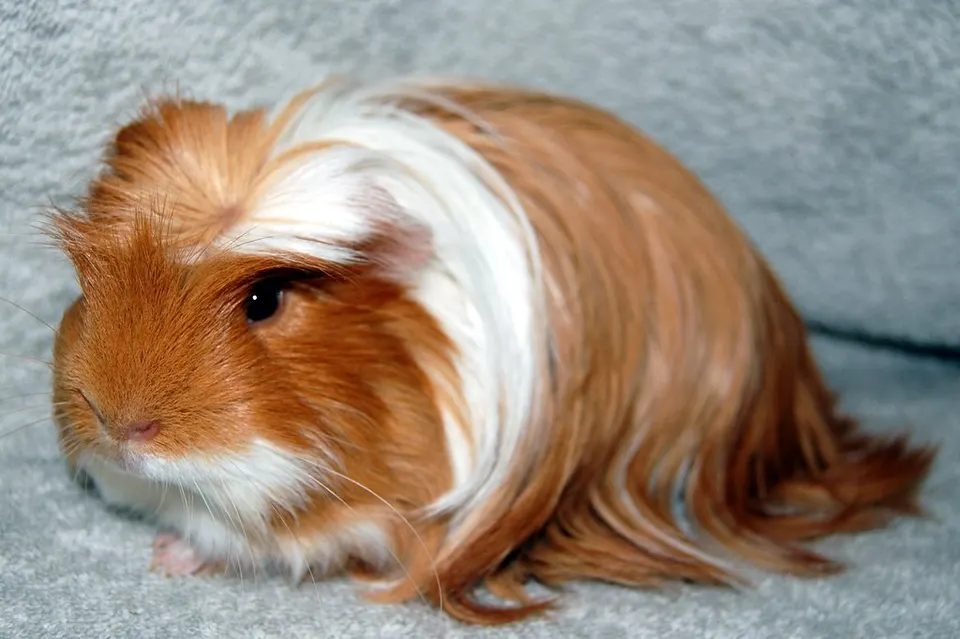
A Coronet guinea pig is a long-haired cavy with a single rosette crest on the forehead. The crest is one neat rosette over the eyes, and the rest of the long coat falls back over the body. Printed figures here are a medium adult of 1.5 to 2.5 pounds, a life of 5 to 7 years, moderate activity, intermediate care, and at least 7.5 square feet of floor. They are meant to live as a pair. The hair is the reason care sits at intermediate. The species underneath is still a guinea pig.
Both the crest and the rear coat need grooming. The forehead rosette mats into a knot if it is ignored, and the long hair at the back picks up hay, bedding, and damp bedding from the floor. A daily comb of those two zones prevents the kind of felt that has to be cut off later. Bathing a guinea pig to fix mats is a poor idea. They chill easily, and a wet long coat stays wet. Clip only when a mat is already tight, and keep scissors off the skin.
Significant Coronet Guinea Pig diet transitions are worth running past the exotic vet first; interactions are easier to catch in advance than to diagnose after the fact.
Housing Requirements
- Space: 7.5 sq ft minimum - always provide the largest enclosure possible.
- Type: C&C cage or large commercial enclosure with solid flooring.
- Bedding: Paper-based or fleece bedding; avoid cedar and pine.
- Enrichment: Tunnels, hidey houses, and hay racks.
- Temperature: 65-75°F ideal; avoid drafts and direct sunlight.
- Cleaning: Spot-clean daily; full cleaning weekly.
Diet & Nutrition
- Primary Diet: Hay, pellets, vegetables, vitamin C.
- Vitamin C: Guinea pigs cannot produce their own vitamin C. Supplement with bell peppers, kale, or vitamin C tablets daily.
- Fresh Foods: Leafy greens daily; limited fruit as treats.
- Avoid: Iceberg lettuce, potatoes, onions, and foods high in sugar.
Top Food Choices for Coronet Guinea Pigs
Chewy - Premium guinea pig food | Kaytee - Timothy hay & treats | Oxbow - Veterinarian-recommended nutrition
What you feed your Coronet Guinea Pig matters more than most owners realize. Diet affects energy, coat condition, digestive health, immune function, and even behavior. There is no single "best food" — the right choice depends on your Coronet Guinea Pig's age, activity level, any health conditions, and how they respond to specific ingredients. Expect some trial and adjustment, especially in the first year.
Nutrition for your Coronet Guinea Pig should be evaluated by results, not labels. The best food is the one that keeps your Coronet Guinea Pig at a healthy weight, supports a glossy coat, provides steady energy, and produces firm, consistent stool.
Common Health Issues
- Scurvy (Vitamin C Deficiency): Causes lethargy, rough coat, swollen joints. Supplement vitamin C daily.
- Respiratory Infections: Common in guinea pigs; signs include sneezing, labored breathing.
- Bumblefoot: Painful foot infection from rough or wire surfaces. Use solid, clean flooring.
- Obesity: Overfeeding treats and under-exercising leads to obesity in most small animals.
Exotic Vet Care
Find an exotic vet before you need one. Guinea pigs hide illness well - annual checkups are important.
Taking care of a Coronet Guinea Pig's long-term health means knowing what to watch for and when to act.
Genetic testing gives Coronet Guinea Pig owners a head start on conditions that might otherwise catch them off guard. By understanding which health risks are written into your Coronet Guinea Pig's DNA, you can work with your vet to schedule targeted checks and make informed choices about diet, exercise, and supplementation.
The shift from prime adulthood to the senior phase is gradual for most Coronet Guinea Pigs, and the owners who navigate it best are the ones who adapt their care approach incrementally.
Handling & Taming
- Approach: Scoop gently with both hands; support the body fully.
- Bonding: Regular, gentle handling builds trust over time.
- Exercise: Floor time in safe, enclosed area.
Is a Coronet Guinea Pig Right for You?
The return on sustained attention here is larger than it looks in any single month.
Coronet Guinea Pigs Are Great For:
- Experienced small animal keepers
- Those willing to keep multiple animals
- Those who enjoy watching active, entertaining pets
- People who can commit to 5-7 years of care
Coronet Guinea Pigs May Not Be Ideal For:
- Those unable to maintain proper enclosure conditions
- Those wanting a completely quiet pet
- Those unable to provide regular care and interaction
- Very young children without adult supervision
Ask Our AI About Coronet Guinea Pigs
Have specific questions about Coronet Guinea Pig care, health, or behavior? Our AI assistant can provide personalized guidance.
Whether a Coronet Guinea Pig fits your life comes down to a few practical questions. Is your living space suitable? Can you afford both routine care and the occasional surprise vet bill over the next 5-7 years? If the honest answers line up, a Coronet Guinea Pig can be a genuinely good match.
People who live with a Coronet Guinea Pig tend to develop a deep appreciation for the breed's personality — its distinct character becomes part of the household's rhythm.
When to See the Vet
- Lumps and bumps: Any new or changing growths should be examined. While many are benign, early detection of cancerous masses improves treatment outcomes.
Diet and Nutrition Tips
- Quality ingredients: Choose foods with named animal proteins as the first ingredient. Avoid products with excessive fillers, artificial colors, and by-product meals.
- Life stage formula: Feed a diet appropriate for your Coronet Guinea Pig's current life stage: juvenile, adult, or senior formulations are designed for specific nutritional needs.
- Adjust portions based on activity level, age, and body condition.
- Fresh water: Provide clean, fresh water at all times. Change water daily and clean bowls regularly to prevent bacterial growth.
- Choose healthy options like small pieces of lean meat or vegetables.
- Supplements: Consult your veterinarian before adding supplements. Most high-quality commercial diets are nutritionally complete and do not require supplementation.
Exercise Requirements
Regular exercise is essential for your Coronet Guinea Pig's physical health and mental well-being.
- This allows running, jumping, and exploring that cage space cannot provide.
- Ensure the wheel is solid-surfaced to prevent injury.
- Social play: Interact with your Coronet Guinea Pig during exercise time. Gentle handling and interactive play strengthen your bond and provide mental stimulation.
Training Advice
Vitamin C is not optional. Coronets cannot synthesize it any more than a short-haired cavy can. Hay, pellets, and vegetables are the diet line, and the vegetables plus fortified pellets are where the vitamin has to come from every day. Hay is still unlimited, because the teeth and the gut did not change when the coat got long. A silky rear end is not a sign that the diet can shift toward fruit and treats.
- Start early: Begin socialization and basic training as soon as your Coronet Guinea Pig comes home. The first few months are a critical learning period.
- Positive methods: Reward desired behaviors with treats, praise, or play. Positive reinforcement is proven more effective and humane than punishment-based methods.
- Socialization: Expose your Coronet Guinea Pig to various people, animals, sounds, and environments in a positive way during the early socialization window.
- Keep sessions short: Training sessions of 5-15 minutes are most effective. End before your Coronet Guinea Pig becomes bored or frustrated.
- Consistency matters: Use the same commands and rules across all family members. Inconsistency confuses your Coronet Guinea Pig and slows learning.
Grooming Essentials
Keep them in pairs, with at least the 7.5 square feet this card names, and more if two long coats are sharing a hide. Moderate activity means they still run and popcorn. A pen full of furniture and no open floor makes a long-haired cavy both bored and dirtier, because the coat drags through every wet corner. Choose a companion that will not chew the crest into a stump. Watch introductions. Long hair can hide a nip until the skin under it is already angry.
- Brushing: Regular brushing removes loose hair, distributes natural oils, and prevents matting.
- Bathing: Bathe your Coronet Guinea Pig every 4-8 weeks or as needed using a species-appropriate shampoo. Overbathing strips natural oils from the coat and skin.
- Nail care: Trim nails every 2-4 weeks. Keep styptic powder on hand in case of bleeding.
- Dental hygiene: Brush teeth several times weekly using pet-safe toothpaste.
- Ear cleaning: Check ears weekly for redness, odor, or discharge. Clean with a veterinarian-approved ear cleaner as needed.
Living Environment
- Safe spaces: Provide a dedicated area where your Coronet Guinea Pig can retreat and rest undisturbed.
- Temperature: Maintain comfortable indoor temperatures. Coronet Guinea Pig: care guides generally prefer warm, draft-free spaces and should always have shade and shelter available.
- Prevention is far better than emergency treatment.
Helpful Resources for Coronet Guinea Pig Owners
Explore More Guides
Get Personalized AI Guidance
Ask Our AI NowDecision Guides for Coronet Guinea Pig
Use these only when comparing food, insurance, ownership budget, or beginner fit for this specific pet.
Temperament & Personality
Coronet Guinea Pig are characterized by a well-balanced disposition that influences their care requirements and compatibility.
- General Disposition: well-balanced nature that defines daily interactions
- Social Behavior: Specific social needs that owners should understand and accommodate
- Activity Patterns: Natural activity cycles that influence care scheduling
Intermediate is the grooming plus the ordinary cavy rules, held for 5 to 7 years. A Coronet that misses vitamin C will not announce it with a rough coat you can see through the hair. Watch appetite, walking, and weight instead. The single forehead crest is the breed marker. It is also a daily tangle. Rear coat, hay, a pair, and vitamin C are the rest of the page, and none of them is canceled by a show-style haircut the week before a photo.
Cost of Ownership
Planning ahead financially is one of the most practical things you can do before getting a Coronet Guinea Pig. Account for the predictable costs, set aside money for the unpredictable ones, and avoid the trap of thinking you will figure it out as you go. Coronet Guinea Pig care costs are real and ongoing.
These cost ranges reflect typical spending, but every Coronet Guinea Pig is different. Some sail through life with minimal health issues, while others need more veterinary attention. Geographic location also plays a role — veterinary fees, grooming costs, and even pet food prices vary widely between regions. Use these numbers as a planning baseline, not a guarantee.
Most new Coronet Guinea Pig owners are surprised by first-year costs. The initial setup — vet visits, vaccinations, supplies — can easily double the annual maintenance figure. The good news is that subsequent years are more predictable. Just keep in mind that senior Coronet Guinea Pigs may need additional care as they enter the last few years of their 5-7 years lifespan.
Think of preventive care as an insurance policy with a guaranteed payout. The cost of annual exams, vaccinations, and routine health monitoring is a known quantity you can budget for. The cost of treating a preventable disease is unpredictable and almost always higher. For Coronet Guinea Pig owners, staying on top of preventive care is one of the simplest ways to reduce lifetime veterinary expenses.