Spotted Python
This page is educational reference material for preparing questions. A licensed veterinarian examines the animal, makes the diagnosis, and sets the treatment.
Quick Facts
| Attribute | Details |
|---|---|
| Type | Snake |
| Adult Size | 2-4 feet |
| Lifespan | 15-20 years |
| Temperament | Calm, Hardy |
| Difficulty | Beginner |
| Origin | Australia |
Recommended Products
Affiliate links may earn a commission. Affiliate disclosure.
Blotches, a small body, a real lifespan
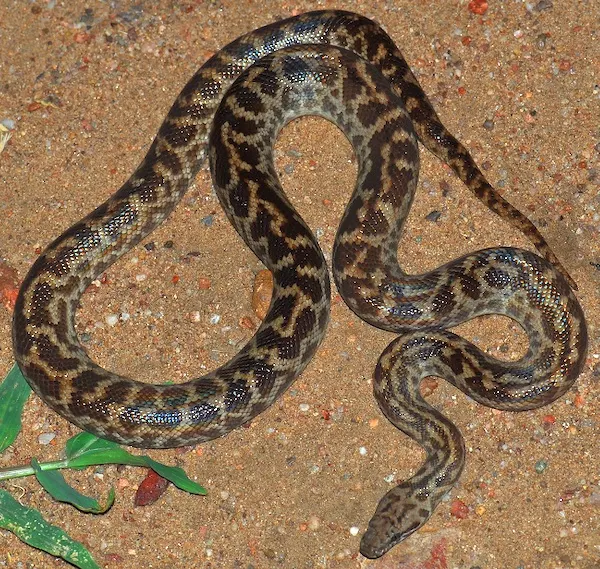
Spotted pythons are Antaresia maculosa, from eastern Australia. Adults are about 2 to 4 feet. They commonly reach 15 to 20 years, the temperament is calm, and the care is beginner. They are one of the snakes people recommend when a ball python feels too likely to skip meals. They still need heat you can measure and a cage they cannot leave.
A warm hide in the high 80s, a cooler side around 78°F, and a water bowl cover the daily setup. Add a moist box when the eyes go blue. Floor space for an adult is a 36-inch cage or a 40-gallon breeder. Hatchlings eat small mice. Adults eat a larger mouse. They do not need rats to prove they are pythons.
Captive-bred only
Australia does not export this species for the pet trade. The animals in US and European cages are captive-bred. A wild-sourced adult is a red flag. Handle gently after they are feeding. They can be food-sharp. Wash your hands so you do not smell like a mouse.
Respiratory noise or a crooked shed that repeats is a husbandry or a medical problem. A reptile vet through ARAV can tell which.
Spotted python questions
How is a spotted python different from a Children's python?
Spotted pythons usually show a stronger blotched pattern and are a separate species, Antaresia maculosa. Children's pythons are A. childreni. Both stay small. Buy the one named on the receipt.
Are spotted pythons beginners?
Care is beginner. A captive-bred animal on thawed mice, with a thermostat, is a reasonable first snake. The life is still 15 to 20 years.
Do they need a tall cage?
They climb a little and live mostly on the floor. A long cage with a couple of branches is more useful than a tall empty tank.
Decision Guides for Spotted Python
Use these only when comparing food, insurance, ownership budget, or beginner fit for this specific pet.