Ring-Neck Snake
This page is educational reference material for preparing questions. A licensed veterinarian examines the animal, makes the diagnosis, and sets the treatment.
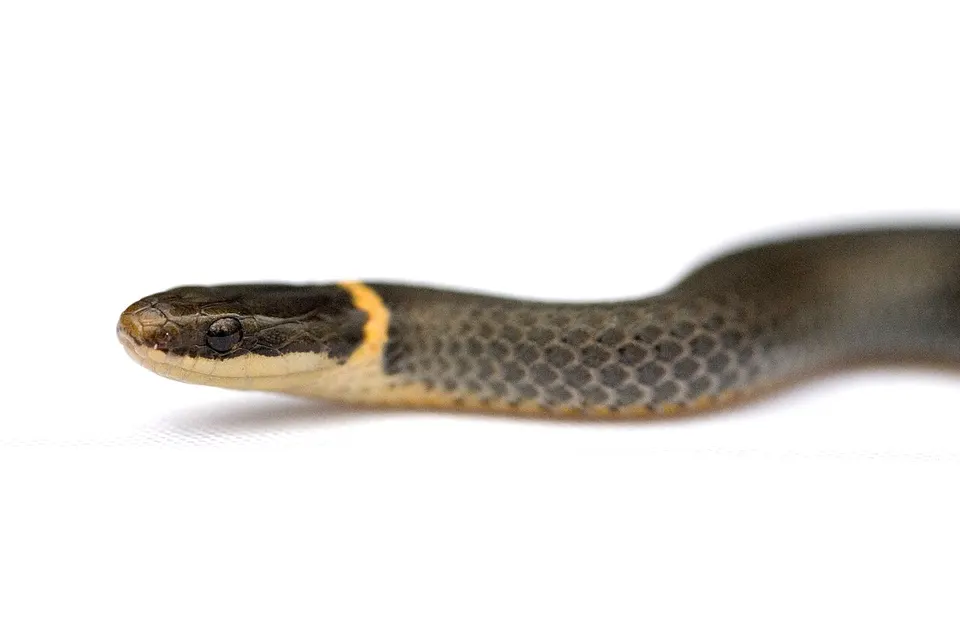
Quick Facts
| Attribute | Details |
|---|---|
| Type | Snake |
| Size | Small (10-15 in) |
| Lifespan | 6-10 years |
| Temperature | 65-75°F |
| Humidity | 50-60% |
| Enclosure | 10+ gal |
| Care Level | Intermediate |
| Diet | Slugs, worms, salamanders |
| Temperament | Secretive, Small |
Recommended for Ring-Neck Snakes
Affiliate links may earn a commission. Affiliate disclosure.
ZooMed - Heating & lighting | ExoTerra - Enclosures & decor | Chewy - Substrate & supplies
Ring-Neck Snake Habitat Essentials
ZooMed - Heat mats & thermostats | ExoTerra - Terrariums & hides | Chewy - Substrate & accessories
A pretty neck ring and a hard diet
Ring-neck snakes, Diadophis punctatus, are the small dark snakes with an orange or yellow ring and a bright belly. Adults are about 10 to 15 inches. They commonly reach 6 to 10 years, care is intermediate, and they stay secretive. People pocket them on hikes. Those snakes are the ones that die. This is a poor pet, and in many states a wild one is illegal to take.
If a legal captive-bred animal exists in front of you, the setup is a cool, damp, cluttered cage. Temperatures of 65 to 75°F are cooler than a corn-snake rack. Humidity around 50 to 60 percent, leaf litter, and hiding places match the way they live. Ten gallons is only a minimum. The diet is the wall: slugs, earthworms, and small amphibians. A mouse-pinkie habit is not this species. Feeding wild salamanders is a conservation problem and a parasite delivery system.
Leave wild snakes in the leaves
A ring-neck under a log is already at home. Moving it into a jar so a child can see the belly color is how these pages of advice get ignored. They musk, they hide, and they starve when the food is wrong. Rear fangs and mild saliva are real and still not the reason to keep one.
A captive that refuses food for a long stretch is the case described on the not-eating page. Better to have skipped the purchase. A vet search starts at ARAV.
Ring-neck snake questions
Are ring-neck snakes a good first snake?
No. Care is intermediate, they stay secretive, and the diet is slugs, worms, and salamanders. Most animals in the trade were wild-caught and fade in a tank.
Do they show themselves?
Rarely. A correct setup is dark and cluttered. If you want a snake you can watch, pick a different species.
Is the bite dangerous?
They are small and rear-fanged. A bite is not a typical medical emergency. The saliva can irritate. The bigger problem is the snake dying in a jar, not the keeper.
Decision Guides for Ring-Neck Snake
Use these only when comparing food, insurance, ownership budget, or beginner fit for this specific pet.