Rat Snake
This page is educational reference material for preparing questions. A licensed veterinarian examines the animal, makes the diagnosis, and sets the treatment.
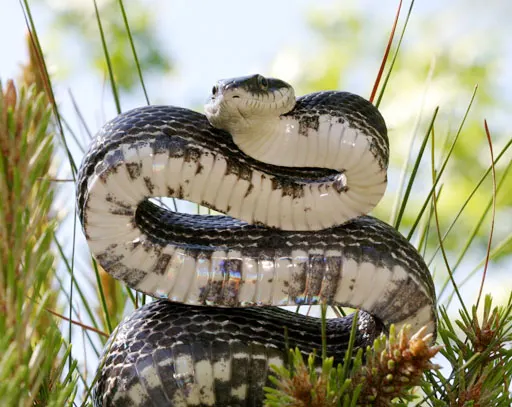
Quick Facts
| Attribute | Details |
|---|---|
| Scientific Name | Pantherophis spp. (North American) |
| Origin | North America (various species worldwide) |
| Size | 4-6 feet (1.2-1.8 m) typical |
| Lifespan | 15-25 years |
| Temperature | 75-85°F (24-29°C), basking to 88°F |
| Humidity | 40-60% |
| Enclosure | 4x2x2 feet minimum (adults) |
| Care Level | Beginner to Intermediate |
| Diet | Carnivore (rodents) |
| Temperament | Variable - can be flighty, tames with handling |
Recommended for Rat Snakes
Affiliate links may earn a commission. Affiliate disclosure.
Rodent Pro - Quality frozen feeders | Reptile Supply - Enclosures | Chewy - Supplies & substrates
The snakes in the rafters
Rat snake here means the North American Pantherophis besides the corn snake people already know: black rat snakes, Texas rat snakes, yellow, gray, and their kin. Typical adults are 4 to 6 feet. Lifespan is 15 to 25 years. Care sits at beginner to intermediate. The intermediate part is the climbing and the nervous babies, not a difficult diet.
Give a 4 by 2 by 2 foot cage or larger, temperatures from the mid 70s to mid 80s with a warmer basking hide, and humidity around 40 to 60 percent. They use branches. They also push out loose screen. A water bowl big enough for a soak helps sheds. Thawed mice or rats sized to the snake are the food. House them alone.
Flighty young, steadier adults
A baby rat snake often vibrates its tail and musks. That is fear. Short handling sessions after the snake is eating reliably work better than a long wrestling match. Adults of the common captive species are usually calm. Wild-caught adults stay wild. Buy captive-bred, and do not collect a snake off a barn.
Mouth rot shows as redness or cottage-cheese along the gums. That is a vet visit, not a home scrub. Find a clinic through ARAV.
Rat snake questions
Is a corn snake a rat snake?
Corn snakes are in the same genus and have their own page. This page is the wider group: black, Texas, yellow, gray, and similar North American rat snakes.
Do rat snakes bite?
Juveniles often flee or nip. Temperament is variable. Regular, calm handling turns most captive-bred adults into steady snakes.
What size cage does an adult need?
Give them 4 by 2 by 2 feet as a minimum. They climb, so add height or sturdy branches and a lid that locks.
Decision Guides for Rat Snake
Use these only when comparing food, insurance, ownership budget, or beginner fit for this specific pet.