Mourning Gecko
This page is educational reference material for preparing questions. A licensed veterinarian examines the animal, makes the diagnosis, and sets the treatment.
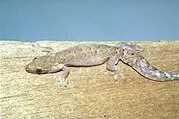
Quick Facts
| Attribute | Details |
|---|---|
| Scientific Name | Lepidodactylus lugubris |
| Origin | Pacific Islands, Southeast Asia |
| Size | 3-4 inches (7-10 cm) |
| Lifespan | 10-15 years |
| Temperature | 72-80°F (22-27°C) |
| Humidity | 60-80% |
| Enclosure | 10-20 gallon (vertical) |
| Care Level | Beginner |
| Diet | Omnivore (insects + fruit) |
| Temperament | Docile, communal, parthenogenic |
Recommended for Mourning Geckos
Affiliate links may earn a commission. Affiliate disclosure.
Pangea Gecko Diet - Complete nutrition | Josh's Frogs - Bioactive supplies | Reptile Supply - Terrariums
A colony that builds itself
Mourning geckos, Lepidodactylus lugubris, are the little banded geckos that reproduce without males. Adults are about 3 to 4 inches. They can live 10 to 15 years, care is beginner, and they are docile and can share space. Beginner is fair for the simple tank. It leaves out the population math. Two females become more females.
Use a vertical 10 to 20 gallon tank to start, temperatures of 72 to 80°F, and humidity of 60 to 80 percent. They are not a basking-desert animal. They use upright cork, bamboo, and leaves. Feed tiny insects and a fruit-based gecko diet, with calcium. Eggs are stuck to surfaces and hatch in the cage if you are not paying attention. Have a second tank before you need it, or the babies become snacks and stress.
Do not ship them outdoors
These geckos already live as introduced animals on many Pacific islands and in parts of the Americas. A released colony is not a kindness. Keep the lid tight. Chirping at night is normal conversation. A gecko that is thin while others are fat is losing the fight for food. Add feeding stations or split the group.
Sticky eggs and tiny hatchlings are the main husbandry surprise. A limp adult that will not eat is a vet trip. ARAV lists reptile clinics.
Mourning gecko questions
Do mourning geckos need a male?
No. They are parthenogenetic. Females lay fertile eggs without a male. A starter pair is already a future crowd.
Can they live together?
Yes. They are communal, which is unusual for geckos. Give lots of cover, several feeding spots, and a plan for the babies.
What do they eat?
Small insects and fruit puree or a crested-gecko diet. Calcium matters, especially once eggs start showing up in the cork.
Decision Guides for Mourning Gecko
Use these only when comparing food, insurance, ownership budget, or beginner fit for this specific pet.