Boa Constrictor
This page is educational reference material for preparing questions. A licensed veterinarian examines the animal, makes the diagnosis, and sets the treatment.
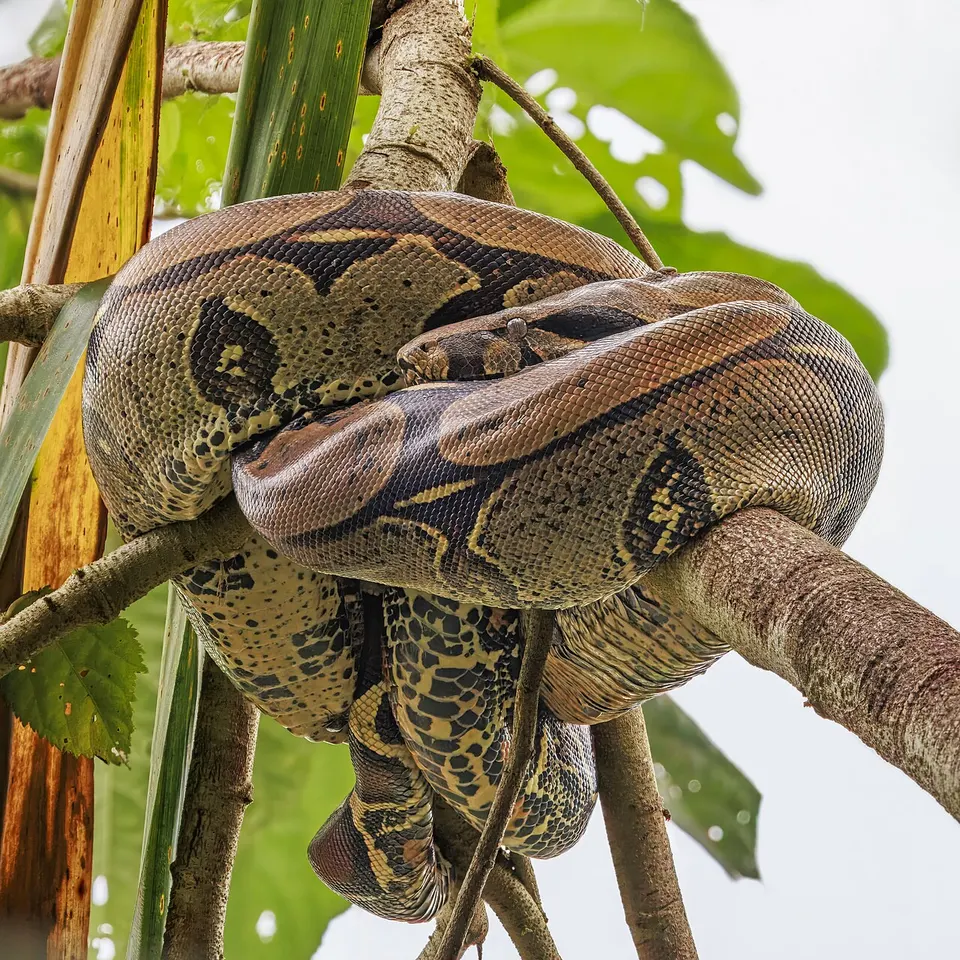
Quick Facts
| Attribute | Details |
|---|---|
| Scientific Name | Boa constrictor (various subspecies) |
| Origin | Central and South America |
| Size | 5-10 feet (varies by subspecies) |
| Lifespan | 20-30+ years |
| Temperature Range | 78-90°F (26-32°C) |
| Humidity | 60-70% |
| Enclosure Size | 6x2x2 feet minimum for adults |
| Care Level | Intermediate |
| Diet | Carnivore (rodents, rabbits) |
| Temperament | Generally Docile |
Recommended for Boa Constrictors
Affiliate links may earn a commission. Affiliate disclosure.
ZooMed - Large heating solutions | ExoTerra - Heavy-duty enclosures | Fluker's - Substrates and supplies | Repashy - Supplements for prey items
The adult is a length of muscle
Boa constrictor is one species with many localities. Common pets often land between 5 and 8 feet and a heavy body. Some Central American animals stay smaller. True red-tail types and a few localities pass 10 feet. Lifespan is 20 to 30 years. Buy the locality you can house at the large end, in an enclosure at least 6 feet long for a big adult, with a warm side in the mid to high 80s and a hot spot near 90°F. Humidity around 60 to 70 percent. A tub that was fine at 3 feet is not fine at 7.
They are often calm if worked with on purpose. A hungry adult is still a constrictor. Feed in the enclosure or with a plan, thaw rodents fully, and do not drape a large boa around a neck. Two people for the big ones. House them alone.
Inclusion disease and a stuck shed
Boid inclusion body disease is the serious viral concern in boas: neurological signs, staring, regurgitation, wasting. There is no casual cure. Quarantine new snakes and do not mix collections casually. Respiratory infections show up as open-mouth breathing and mucus when the cage is cold and wet. Incomplete sheds mean the humidity crashed. Regurgitation is an emergency pattern, not a skipped mouse you ignore.
Food for an adult is a line item, often rats. ARAV lists snake vets. Repeated refusal or a vomit is the not-eating page and the checker.
Boa constrictor questions
How big will a boa get?
Common boa constrictors in the pet trade often finish around 5 to 8 feet. Some localities and true red-tails get larger, past 10 feet. Ask which animal you are buying. The 5 to 10 foot range is that spread, not a small snake that stayed cute.
Are boa constrictors good for beginners?
Care is intermediate. A 6-foot muscled snake that can bite and constrict is a two-person handling problem. A corn snake is the usual first snake. A boa is the second, after the adult size is already in the house.
Are they legal everywhere?
No. Some states and cities restrict large boas. The federal injurious-wildlife list targets certain giant pythons and anacondas, and local rules still catch boas. Check before you pay.
Decision Guides for Boa Constrictor
Use these only when comparing food, insurance, ownership budget, or beginner fit for this specific pet.