Blue Tang (Regal Tang)
This page is educational reference material for preparing questions. A licensed veterinarian examines the animal, makes the diagnosis, and sets the treatment.
Quick Facts
| Attribute | Details |
|---|---|
| Type | Saltwater / Marine |
| Size | Large (12 in) |
| Lifespan | 8-20 years |
| Temperature | 72-78°F |
| Salinity | 1.020-1.025 sg |
| Min Tank Size | 180 gallon |
| Care Level | Advanced |
| Diet | Herbivore: nori, spirulina, algae sheets, mysis |
| Temperament | Semi-Aggressive, Active swimmer |
| Reef Safe | Yes |
| Origin | Indo-Pacific |
| Typical Cost | $40-$80; $500+ setup for large tank |
Recommended for Marine Aquariums
Blue Tang (Regal Tang) consistent chemistry, controlled feeding, and deliberate quarantine sit at the centre of sustained aquatic welfare; these factors drive outcomes more than brand-name products.
Marine Tank Essentials
Ground the care plan in the animal's observable traits rather than a breed summary; the personalisation is what drives the difference in outcomes.
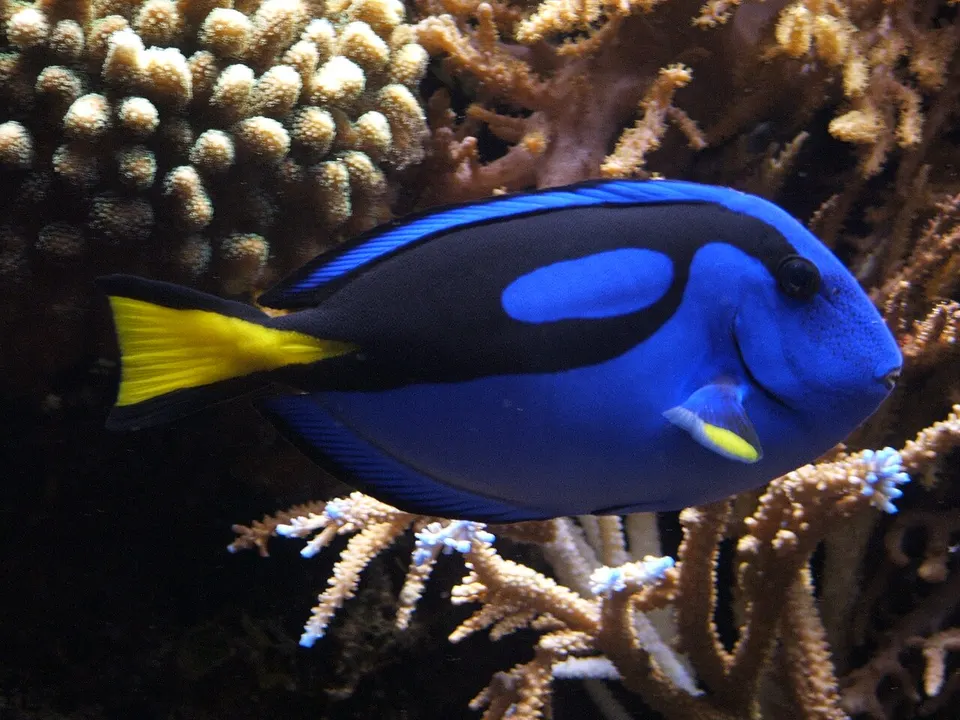
Blue tangs are Indo-Pacific surgeonfish, bright as juveniles and still electric as adults, with a tail spine they can cut you with during a bad netting. They reach about 12 inches and can live 8 to 20 years. Temperature on this card is a slightly cooler 72 to 78°F, salinity 1.020 to 1.025, reef-safe, and active enough to need length. Care level is advanced.
A long tank and a grazing diet
One hundred eighty gallons is the minimum listed here, and the shape should let the fish swim, not hover in a column. Live rock for grazing, strong filtration, and nitrate kept low. Feed nori and other algae foods every day. A blue tang on flakes gets thin, pale, and sick. They are semi-aggressive and do not belong with a shy, slow tankmate in a tank that is already borderline small.
Marine ich shows up when these fish are stressed by capture, shipping, or a dirty bag-to-display transfer. Quarantine. A display reef is the wrong hospital. Captive-bred juveniles exist and cost more than the $40 to $80 sometimes listed for a tiny wild-caught juvenile. The cheaper number is often a small wild fish with a long medical bill attached.
Who should buy one
Someone who already runs a large marine system and wants a tang that will use it. Not a first saltwater fish, and not a gift because a child liked a film. The setup cost is the tank you already own or a multi-thousand-dollar build. Yearly salt, food, and electricity are hundreds of dollars.
Scratching on rocks, faded color, or rapid gill movement is a quarantine and water-chemistry problem first. Read the gasping guide, use the checker only as a triage reminder, and call an aquatic vet when the animal is worth more than another bottle of copper you cannot use in a reef.
Blue tang adult size
How big do blue tangs get?
About 12 inches. The juvenile in a store tank is not the adult size. This page's minimum is 180 gallons, and many keepers would rather see a longer tank than that.
What do they eat?
Algae first: nori, spirulina, and herbivore foods, with some mysis. They are Paracanthurus hepatus, a surgeonfish, not a cartoon omnivore.
Are they beginner fish?
No. The care level is advanced. They are active, semi-aggressive, prone to marine ich when stressed, and expensive to house properly.
Is the fish in the movie a fair model?
The species is real and the housing in a home is a six-foot swimming lane plus a reef-keeper's maintenance schedule. A small tank because a character carried one is how these fish die.
Decision Guides for Blue Tang (Regal Tang)
Use these only when comparing food, insurance, ownership budget, or beginner fit for this specific pet.