Convict Cichlid
This page is educational reference material for preparing questions. A licensed veterinarian examines the animal, makes the diagnosis, and sets the treatment.
Affiliate links may earn a commission. Affiliate disclosure.
Quick Facts
| Attribute | Details |
|---|---|
| Scientific Name | Amatitlania nigrofasciata |
| Origin | Central America (Guatemala, Honduras, El Salvador) |
| Size | 4-6 inches (10-15 cm) |
| Lifespan | 8-10 years |
| Temperature | 74-82°F (23-28°C) |
| pH | 6.5-8.0 |
| Tank Size | 30+ gallons (single), 40+ gallons (pair) |
| Care Level | Easy |
| Diet | Omnivore |
| Temperament | Aggressive (especially when breeding) |
Recommended for Convict Cichlids
Chewy - Cichlid foods & supplies | Petco - Tanks & cave decorations | PetSmart - Filters & heaters
Overview
The Convict Cichlid, also known as the Zebra Cichlid, is one of the hardiest and most prolific cichlids in the aquarium hobby. Named for their distinctive black vertical stripes resembling prison bars, these fish are perfect for beginners interested in keeping cichlids.
Convicts are famous for their ease of breeding - they will spawn readily in almost any conditions, making them excellent for learning about cichlid reproduction. However, their breeding aggression is legendary, and a pair defending eggs or fry can terrorize an entire tank.
Convict cichlids are Amatitlania nigrofasciata, a Central American cichlid from Guatemala, Honduras, and El Salvador. They are not African cichlids. Adults reach 4 to 6 inches and live 8 to 10 years. One fish needs at least 30 gallons. A pair needs 40 gallons or more. Temperature is 74 to 82°F, pH a wide 6.5 to 8.0, hardness 6 to 20 dGH. They are omnivores, care is listed as easy, and temperament is aggressive, especially when they breed. The easy part is keeping them alive. The hard part is everyone else in the tank.
They breed readily. A pair will clean a cave, a clay pot, or a flat rock, lay eggs, and then treat the tank as a nursery with enemies in it. Fish that were tolerated yesterday get driven, bitten, and killed while the fry are out. The aggression is not a mood you can wait out. It lasts as long as the babies are being herded, and then the pair often spawns again. If you do not want fry, do not keep a male and a female together and hope they will refrain. They will not.
Convict Cichlid consistent chemistry, controlled feeding, and deliberate quarantine sit at the centre of sustained aquatic welfare; these factors drive outcomes more than brand-name products.
Natural Habitat
Convict Cichlids originate from flowing waters in Central America.
- Environment: Rocky streams, rivers, and lakes
- Cover: Rocky crevices, caves, and submerged wood
- Water: Moderate current with various water conditions
- Range: Found across Central America, also introduced to other regions
Tank Requirements
Convicts are adaptable but appreciate proper setup.
- Tank Size: Minimum 30 gallons for a single fish; 40+ gallons for a breeding pair
- Substrate: Sand or fine gravel for digging
- Decorations: Caves, rocks, and driftwood essential for territory and spawning
- Plants: Hardy plants (Anubias, Java Fern) attached to rocks; will dig up rooted plants
- Filtration: Good filtration with moderate water flow
- Cover: Multiple hiding spots to break sight lines
Water Parameters
Convicts are extremely adaptable to various water conditions.
| Parameter | Ideal Range |
|---|---|
| Temperature | 74-82°F (23-28°C) |
| pH | 6.5-8.0 |
| Hardness (GH) | 6-20 dGH |
| Ammonia | 0 ppm |
| Nitrite | 0 ppm |
| Nitrate | <40 ppm |
Diet & Feeding
Convict Cichlids are easy to feed omnivores: Your aquatic veterinarian and experienced Convict Cichlid owners can offer perspective tailored to your situation.
- Staple Food: Quality cichlid pellets or flakes
- Protein: Bloodworms, brine shrimp, earthworms
- Vegetables: Blanched spinach, peas, zucchini
- Variety: Rotate foods for optimal nutrition
Feeding Schedule: Feed 2-3 times daily in small amounts. They have hearty appetites but avoid overfeeding.
Behavior & Social Structure
Convicts display interesting and complex behaviors: Narrow, breed-aware detail beats broad pet-care platitudes in nearly every scenario owners actually face.
- Territorial: Establish and defend territories aggressively
- Pair Bonding: Form strong monogamous pair bonds
- Parental Care: Both parents fiercely protect eggs and fry
- Digging: Constantly excavate substrate, especially near spawning sites
- Intelligence: Quick learners that recognize their owners
A single convict in a large tank of robust fish can be a manageable pet. A pair in a community of tetras, angelfish, or shrimp is a scheduled loss. The 40-gallon pair tank should be their tank. Décor has to be solid. They dig, and they will uproot plants and shove gravel until a cave feels right. Stack rock so it cannot be undermined and topple. A cave they chose is a cave they will defend all the way to the glass.
Plans that ignore these specifics early tend to absorb them as surprise costs over time; plans that include them from the start run smoothly
Compatibility
Potentially Compatible Tank Mates
- Other Central American cichlids of similar size (Firemouth, Rainbow Cichlid)
- Larger robust fish (Silver Dollars, Giant Danios)
- Armored catfish (Plecos, larger Synodontis)
Incompatible Species
- Small peaceful community fish
- Slow-moving or delicate fish
- Long-finned species
- Other breeding pairs (territory wars)
Breeding Aggression Warning
A breeding pair of Convicts can terrorize and potentially kill all other tank inhabitants. Consider a species-only tank if breeding occurs.
Breeding
Convicts are one of the easiest cichlids to breed: Owners who take the time to learn the Convict Cichlid's natural tendencies usually build deeper trust with the animal too.
- Sexual Maturity: As early as 4-6 months
- Breeding Triggers: A healthy pair will breed with minimal encouragement
- Spawning Site: Cave, flat rock, or any sheltered surface
- Egg Count: 100-300 eggs per spawn
- Parental Care: Both parents guard eggs and fry for weeks
- Hatching: Eggs hatch in 3-4 days; free-swimming in about a week
- Frequency: Can spawn every 3-4 weeks under good conditions
Common Health Issues
Convicts are remarkably hardy but can experience.
- Ich (White Spot): Common parasite; easily treated
- Fin Rot: Usually from poor water quality or fighting
- Bloat: From overfeeding; maintain proper diet
- Injuries: Fighting wounds; maintain water quality for healing
- Stress: From overcrowding or incompatible tank mates
Health & Treatment Products
Chewy - Fish medications | Petco - Water test kits | 1-800-PetMeds - Treatments
Feed them as omnivores that eat almost anything: a cichlid pellet, frozen foods, and vegetable matter so the diet is not only meat. They are greedy. Overfeeding a pair in a 40-gallon tank is how nitrate climbs past the 40 ppm mark this card allows as a ceiling. Ammonia and nitrite still need to be 0 ppm. Easy care assumes you can keep up with the waste of two fish that spawn and guard and eat. It does not mean a bowl or an unfiltered desktop tank.
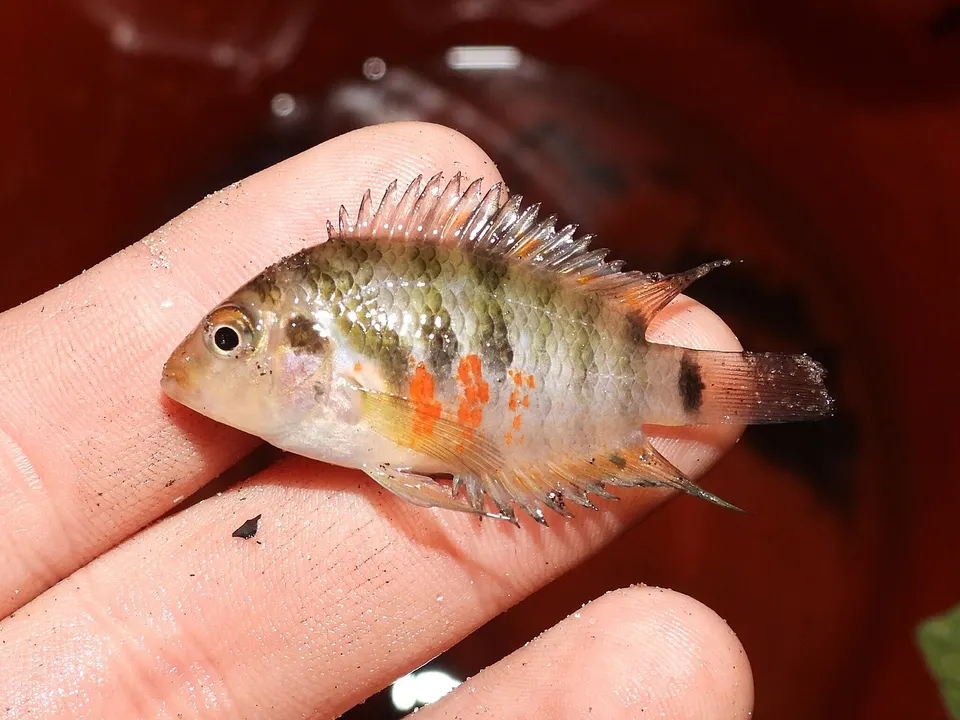
Eight to 10 years is long enough for many rounds of fry. Decide before the first spawn whether you have homes for the young or a species tank where predation and a plan replace surprise. The black bars on a gray body are the wild pattern. Pink and marble forms are the same species with the same temper when the eggs hatch. A convict that looks calm in a shop rack is a convict without a territory yet. Give it a cave and a mate and the card's aggressive line shows up on schedule.
Is This Fish Right for You?
Convict Cichlid ownership rewards steady, informed choices more than heroic ones; the repeatable pattern is what produces the outcomes. Because each Convict Cichlid is its own animal, treat any general guideline as a starting point and refine from there.
Convict Cichlids Are Great For:
- Beginners interested in cichlids
- Those wanting to observe breeding behavior
- Hobbyists with limited space (smaller than many cichlids)
- Aquarists who appreciate hardy, personable fish
Convict Cichlids May Not Be Ideal For:
- Peaceful community tank setups
- Those unable to manage potential aggression
- Hobbyists unprepared for prolific breeding
- Anyone wanting to keep delicate tank mates
The best way to decide if a Convict Cichlid is right for your tank is to talk to people who already keep them. That kind of practical insight is more valuable than any care sheet.
A well-maintained Convict Cichlid is one of the more satisfying species to keep, and most owners who take the time to get it right have no regrets.
Cost of Ownership
Related Species
If you're interested in Convict Cichlids, you might also consider.
- Jack Dempsey - Larger Central American cichlid
- African Cichlid - Colorful cichlids from African lakes
- Flowerhorn - Impressive hybrid cichlid
- Peacock Bass - Large predatory cichlid
Ask Our AI About Convict Cichlids
Have specific questions about Convict Cichlid care, breeding, or managing aggression? Our AI assistant can provide personalized guidance.
Get Personalized AI Guidance
Ask Our AI NowDecision Guides for Convict Cichlid
Use these only when comparing food, insurance, ownership budget, or beginner fit for this specific pet.
Convict cichlids are Central American fish that pair off, claim a cave, and raise fry with unusual aggression toward every other fish in the tank. A pair can breed in a 30-gallon tank and will rearrange the gravel. They tolerate a wide temperature band and eat a cichlid pellet readily.