Common Pleco
This page is educational reference material for preparing questions. A licensed veterinarian examines the animal, makes the diagnosis, and sets the treatment.
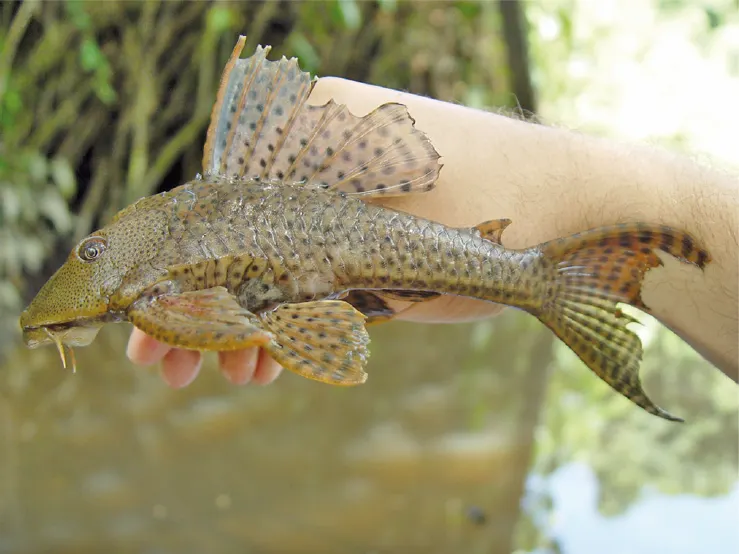
Quick Facts
| Attribute | Details |
|---|---|
| Type | Freshwater |
| Size | Very Large (15-24 in) |
| Lifespan | 10-15 years |
| Temperature | 72-86°F |
| pH Range | 6.5-7.5 |
| Min Tank Size | 125 gal |
| Care Level | Beginner |
| Diet | Omnivore |
| Temperament | Peaceful |
Recommended for Common Plecos
Common Pleco Overview
The Common Pleco is a very large (15-24 in) freshwater species that is an excellent choice for both beginners and experienced aquarists. With a lifespan of 10-15 years, this peaceful species requires a minimum tank size of 125 gal.
Common Plecos thrive in water temperatures of 72-86°F with a pH range of 6.5-7.5. As an omnivore, they accept a wide variety of foods.
The common pleco in the hobby is the large suckermouth catfish sold under Hypostomus and Pterygoplichthys, not the bristlenose and not the clown pleco. This page lists adult size at 15 to 24 inches and lifespan at 10 to 15 years. The tank minimum is 125 gallons. Temperature runs a wide 72 to 86°F, pH 6.5 to 7.5. Temperament is peaceful. Diet is omnivore. Care level is printed as beginner. That last line is about a juvenile that survives neglect for a month. It is not about a two-foot fish.
They are not an algae solution for a 20-gallon tank. A baby common pleco will eat some algae while it is small. Then it outgrows the tank, produces a heroic amount of waste, and needs food you actually provide: sinking wafers, vegetables, and a meaty offering, because the diet is omnivore rather than a pure algae clip. By the time the glass is too big for the fish to clean, the fish is too big for the stand. People rehome them into lakes, which is how Pterygoplichthys became a problem animal in warm waterways. Do not release one. Find a tank that fits or do not buy the fish.
A 125-gallon tank is the floor on this card, and a 20-inch fish needs the length, not a tall column of water with no floor space. Driftwood and a cave it can actually enter as an adult belong in the setup from the start. Building a cave for a 4-inch juvenile and never enlarging it is how plecos get stuck. They are nocturnal. A fish you do not see until the lights go out is normal. A fish gasping at the surface is a water problem. Ammonia and nitrite at 0 ppm and nitrate under 20 ppm take a real filter once the fish is eating like a 15-inch omnivore.
Tank Requirements & Setup
A Common Pleco tends to reveal the payoff of this kind of attention gradually, rather than in a single dramatic moment.
Tank Size
- Minimum: 125 gal
- Recommended: Larger is always better for stability and swimming room.
- Type: Freshwater planted or community tank
Equipment
- Filtration: Quality canister or HOB filter rated for your tank size.
- Heating: Reliable heater to maintain 72-86°F.
- Lighting: Standard aquarium lighting; planted tanks benefit from full-spectrum.
- Air Pump: Optional but beneficial for oxygenation.
Water Parameters
| Parameter | Ideal Range |
|---|---|
| Temperature | 72-86°F |
| pH | 6.5-7.5 |
| Ammonia | 0 ppm |
| Nitrite | 0 ppm |
| Nitrate | <20 ppm |
Water Quality Warning
Always cycle your tank fully before adding fish. Use a quality test kit to monitor ammonia, nitrite, and nitrate levels. Never add Common Plecos to an uncycled or newly set up tank.
Diet & Feeding
- Primary Diet: Omnivore.
- Foods: High-quality flakes/pellets, frozen brine shrimp, mysis shrimp, and blanched vegetables.
- Variety: Rotate different food types for balanced nutrition.
Common Pleco Tank Essentials
Peaceful means they do not hunt other fish. It does not mean a small tankmate is safe from being sucked onto and rasped during the night. Slow, flat fish and fancy goldfish can lose slime coat to a large pleco that has decided to taste them. Fast midwater fish ignore them. Keep the pleco with fish that can stay off the glass at night, in a tank that was sized for the pleco rather than for the tetras.
Proper nutrition for Common Pleco requires understanding not just what to feed, but how feeding strategies affect health, behavior, and water quality. A disciplined approach to feeding, where your Common Pleco receives the right amount of appropriate food at consistent intervals, is one of the most impactful things you can do for both the fish and the overall aquarium ecosystem.
Common Health Issues
- Ich (White Spot Disease): White spots on body and fins. Raise temperature gradually and use ich medication.
- Parasites: Internal and external parasites; quarantine new additions.
Common Pleco consistent chemistry, controlled feeding, and deliberate quarantine sit at the centre of sustained aquatic welfare; these factors drive outcomes more than brand-name products.
Compatibility
- Temperament: Peaceful - pairs well with other peaceful community species.
- Tank Mates: Other peaceful community fish of similar size.
- Avoid: Large aggressive species that may bully or eat them.
Common Plecos Are Great For:
- Beginning aquarists looking for a rewarding species
- Community freshwater tank keepers
- Those who can maintain stable freshwater parameters
Common Plecos May Not Be Ideal For:
- Those unable to commit to regular water testing and maintenance
- Hobbyists without space for a large aquarium
Ask Our AI About Common Plecos
This foundation turns subsequent decisions from guesswork into calibration, which is where better outcomes usually come from
The best way to decide if a Common Pleco is right for your tank is to talk to people who already keep them. That kind of practical insight is more valuable than any care sheet.
A well-maintained Common Pleco is one of the more satisfying species to keep, and most owners who take the time to get it right have no regrets.
When to Seek Help
- Water testing: Before treating for disease, always test water parameters.
Diet and Nutrition Tips
- Primary diet: Feed a high-quality staple food formulated for your Common Pleco's dietary type (herbivore, omnivore, or carnivore). Look for foods with whole ingredients and minimal fillers.
- Variety ensures complete nutrition and encourages natural foraging.
- Feeding frequency: Feed small amounts 1-2 times daily.
- Avoid overfeeding: Overfeeding is the most common nutritional mistake in fishkeeping. It leads to obesity, water pollution, and secondary health problems.
Tank Environment and Stimulation
Apply accepted best practices, watch what happens, and adjust — deliberate daily practice, not a single breakthrough.
- Tank size: Always choose a tank that meets or exceeds the minimum recommended size for Common Pleco. Larger tanks are more stable and forgiving of water quality fluctuations.
- Water parameters: Maintain consistent temperature, pH, and hardness levels appropriate for Common Pleco. Test water weekly and perform regular partial water changes.
- Filtration: Use a quality filter rated for your tank size.
- This reduces stress and aggression.
Tank Maintenance Essentials
- Water changes: Perform 20-30% partial water changes weekly.
- Filter maintenance: Rinse filter media in old tank water monthly.
- Algae control: Some algae is normal, but excessive growth indicates nutrient imbalance. Adjust lighting duration and consider adding algae-eating species.
- Water testing: Test ammonia, nitrite, nitrate, and pH at least weekly. Keep a log to track trends and catch problems early.
Living Environment
Use tells you more than theory: a month in, you will know which parts of the plan to keep and which to skip.
- A stable location reduces stress and prevents temperature fluctuations.
- Compatible tankmates: Research compatibility before adding new species. Aggression, different water parameter requirements, and size mismatches are common problems.
- Substrate choice: Select substrate appropriate for your Common Pleco's natural behavior, whether that is sand for digging species or planted substrate for aquascaping.
- Equipment failures can be life-threatening.
Helpful Resources for Common Pleco Owners
Explore More Guides
Get Personalized AI Guidance
Ask Our AI NowDecision Guides for Common Pleco
Use these only when comparing food, insurance, ownership budget, or beginner fit for this specific pet.
Behavior & Temperament
Common Pleco are characterized by a peaceful disposition that influences their care requirements and compatibility.
- General Disposition: Peaceful nature that defines daily interactions
- Social Behavior: Specific social needs that owners should understand and accommodate
- Activity Patterns: Natural activity cycles that influence care scheduling
Ten to 15 years is the commitment hiding in a two-dollar juvenile. The beginner label falls apart at the first tank upgrade, which is not optional. If the shop cannot tell a common pleco from a bristlenose, look at the advice you were given about algae control in a small tank. That advice is the tell. A fish that stays 4 to 6 inches and wears bristles is the other animal. The one on this page is the fish that makes a 125-gallon tank the starting point.
What matters most is consistency in the basics while staying alert to signals that something needs adjustment.
Cost of Ownership
Plan on a few weeks of intentional practice to set the habits here; the durability of the outcome is worth the upfront investment.
A common pleco grows past a foot and a half and produces a remarkable amount of waste. It is not an algae solution for a ten-gallon tank. Adults need a large cycled aquarium, driftwood to rasp, and a diet that includes vegetables and algae wafers, not fish waste. They live for years. The usual story is a baby bought for algae control that outgrows the tank and pollutes it.
The high-leverage inputs are food quality, exercise, preventive veterinary care, and handling. Dial those in first.
The best results come from combining general best practices with attentive observation of individual responses.
The common pleco, Hypostomus, is the fish sold as a tiny algae eater that grows past 18 inches and often past two feet. It needs a tank of 75 gallons or more as an adult, driftwood, vegetables, and wafers. Algae on the glass will not feed it once the body is the size of a forearm.