Clown Pleco
This page is educational reference material for preparing questions. A licensed veterinarian examines the animal, makes the diagnosis, and sets the treatment.
Quick Facts
| Attribute | Details |
|---|---|
| Type | Freshwater |
| Size | Small (3-4 in) |
| Lifespan | 10-12 years |
| Temperature | 73-82°F |
| pH Range | 6.8-7.6 |
| Min Tank Size | 20 gal |
| Care Level | Beginner |
| Diet | Herbivore (wood) |
| Temperament | Peaceful |
Recommended for Clown Plecos
Clown Pleco Overview
The Clown Pleco is a small (3-4 in) freshwater species that is an excellent choice for both beginners and experienced aquarists. With a lifespan of 10-12 years, this peaceful species requires a minimum tank size of 20 gal.
Clown Plecos thrive in water temperatures of 73-82°F with a pH range of 6.8-7.6. As an herbivore, they primarily graze on algae and plant matter.
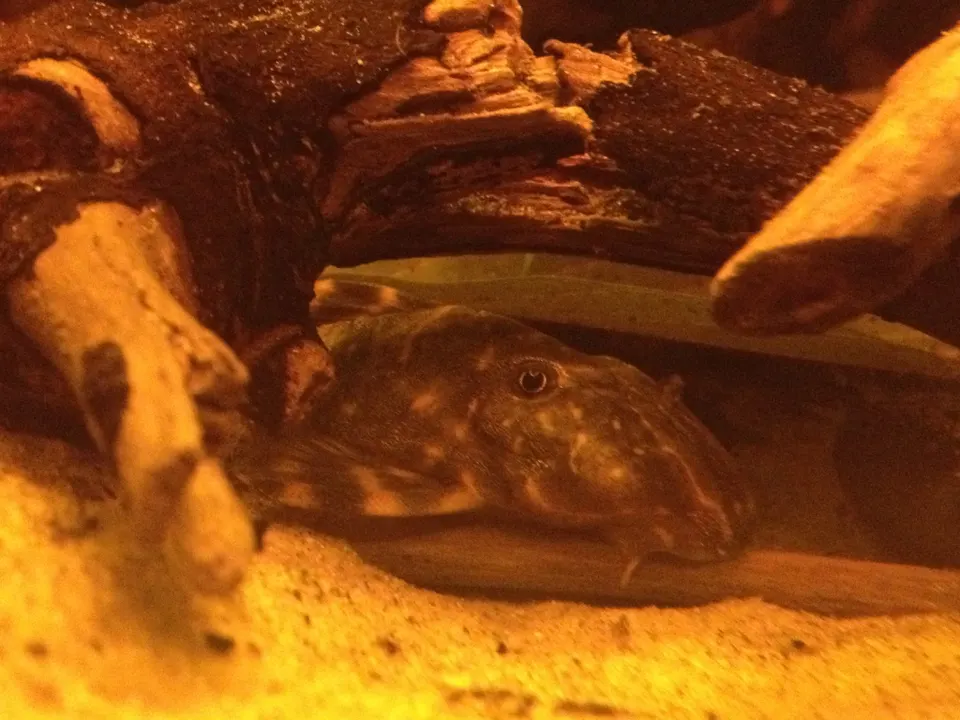
Clown plecos are the small wood-eating loricariids, usually Panaqolus maccus or a close lookalike, sold with the same stripes as a baby clown loach and none of the same future. Adults stay about 3 to 4 inches and live 10 to 12 years. Twenty gallons is the smallest tank on this card. They want 73 to 82°F and pH 6.8 to 7.6. Temperament is peaceful. The diet line is the one to read twice: herbivore, and specifically wood.
Clown Pleco the three variables that move outcomes most are water stability, feeding discipline, and careful handling of new stock; these factors drive outcomes more than brand-name products.
Tank Requirements & Setup
Not every aspect of Clown Pleco ownership is the visible stuff — training or diet — but some of the less-discussed ones compound most meaningfully over years.
Tank Size
- Minimum: 20 gal
- Recommended: Larger is always better for stability and swimming room.
- Type: Freshwater planted or community tank
Equipment
- Filtration: Quality canister or HOB filter rated for your tank size.
- Heating: Reliable heater to maintain 73-82°F.
- Lighting: Standard aquarium lighting; planted tanks benefit from full-spectrum.
- Air Pump: Optional but beneficial for oxygenation.
Water Parameters
| Parameter | Ideal Range |
|---|---|
| Temperature | 73-82°F |
| pH | 6.8-7.6 |
| Ammonia | 0 ppm |
| Nitrite | 0 ppm |
| Nitrate | <20 ppm |
Water Quality Warning
Always cycle your tank fully before adding fish. Use a quality test kit to monitor ammonia, nitrite, and nitrate levels. Never add Clown Plecos to an uncycled or newly set up tank.
Diet & Feeding
- Primary Diet: Herbivore (wood).
- Foods: Algae sheets, spirulina flakes, blanched vegetables, and algae-based pellets.
- Variety: Rotate different food types for balanced nutrition.
Clown Pleco Tank Essentials
The details will vary for your household; the structure is portable and the specifics are meant to be adjusted.
Common Health Issues
- Ich (White Spot Disease): White spots on body and fins. Raise temperature gradually and use ich medication.
- Parasites: Internal and external parasites; quarantine new additions.
They need real driftwood. The fish rasp wood and digest the biofilm and the wood itself. A tank with resin ornaments and a stack of algae wafers is a tank where a clown pleco slowly starves while the glass stays dirty, because algae was never the main job. Blanched zucchini can be a side dish. It does not replace the wood. If you wanted an algae cleaner, an otocinclus or a bristlenose is the conversation. This fish is a wood chewer that happens to be striped.
Compatibility
- Temperament: Peaceful - pairs well with other peaceful community species.
- Tank Mates: Other peaceful community fish of similar size.
- Avoid: Large aggressive species that may bully or eat them.
Clown Plecos Are Great For:
- Beginning aquarists looking for a rewarding species
- Community freshwater tank keepers
- Those who can maintain stable freshwater parameters
Clown Plecos May Not Be Ideal For:
- Those unable to commit to regular water testing and maintenance
- Those looking for a zero-maintenance pet
Ask Our AI About Clown Plecos
Adding a Clown Pleco to your setup works best when you have honestly evaluated your tank size, maintenance habits, and budget.
Experienced Clown Pleco keepers will tell you that the learning curve is steepest in the first few months. After that, maintenance becomes routine.
When to Seek Help
- Water testing: Before treating for disease, always test water parameters.
Diet and Nutrition Tips
- Primary diet: Feed a high-quality staple food formulated for your Clown Pleco's dietary type (herbivore, omnivore, or carnivore). Look for foods with whole ingredients and minimal fillers.
- Variety ensures complete nutrition and encourages natural foraging.
- Feeding frequency: Feed small amounts 1-2 times daily.
- Avoid overfeeding: Overfeeding is the most common nutritional mistake in fishkeeping. It leads to obesity, water pollution, and secondary health problems.
Tank Environment and Stimulation
- Tank size: Always choose a tank that meets or exceeds the minimum recommended size for Clown Pleco. Larger tanks are more stable and forgiving of water quality fluctuations.
- Water parameters: Maintain consistent temperature, pH, and hardness levels appropriate for Clown Pleco. Test water weekly and perform regular partial water changes.
- Filtration: Use a quality filter rated for your tank size.
- This reduces stress and aggression.
Tank Maintenance Essentials
- Water changes: Perform 20-30% partial water changes weekly.
- Filter maintenance: Rinse filter media in old tank water monthly.
- Algae control: Some algae is normal, but excessive growth indicates nutrient imbalance. Adjust lighting duration and consider adding algae-eating species.
- Water testing: Test ammonia, nitrite, nitrate, and pH at least weekly. Keep a log to track trends and catch problems early.
Living Environment
- A stable location reduces stress and prevents temperature fluctuations.
- Compatible tankmates: Research compatibility before adding new species. Aggression, different water parameter requirements, and size mismatches are common problems.
- Substrate choice: Select substrate appropriate for your Clown Pleco's natural behavior, whether that is sand for digging species or planted substrate for aquascaping.
- Equipment failures can be life-threatening.
Helpful Resources for Clown Pleco Owners
Explore More Guides
Get Personalized AI Guidance
Start with the recommended approach and make adjustments as needed based on real-world feedback.
Ask Our AI NowDecision Guides for Clown Pleco
Use these only when comparing food, insurance, ownership budget, or beginner fit for this specific pet.
Behavior & Temperament
Clown Pleco are characterized by a peaceful disposition that influences their care requirements and compatibility.
- General Disposition: Peaceful nature that defines daily interactions
- Social Behavior: Specific social needs that owners should understand and accommodate
- Activity Patterns: Natural activity cycles that influence care scheduling
They are shy and mostly nocturnal. A cave or a stack of wood they can wedge under is where they spend the day. One clown pleco in a 20-gallon tank with other peaceful fish is a normal stocking. They do not need a school the way a clown loach does. Two males may argue over a single cave. Give each fish a retreat and the peaceful label holds. Shrimp and fry are usually ignored. A very small shrimp may not be, once the pleco is adult and the shrimp is a juvenile sitting on the same wood.
Ten to 12 years is a long time for a fish you rarely see. Judge its condition at night or with a dim light: a round belly and a rasped patch on the wood mean it is eating. A clown pleco that gets thin while the bristlenose in the same tank looks fat is losing the wood, or the other fish is taking the wafers. Nitrate under 20 ppm, with ammonia and nitrite absent, is the water standard while the wood does the feeding. They are not hard to keep once the wood is in the tank. Beginner is a fair care level for that setup and a misleading one if the wood was left at the shop.
The stripe pattern is bold when they are young and a little muddier with age. A pale, spotted pleco in the same tank is often a different species that was bagged as a clown. L-number plecos vary enormously in adult size. If the seller cannot say whether the fish eats wood and stays under 4 inches, do not put it in the 20-gallon tank this card describes. A common pleco juvenile is the expensive mistake hiding in that uncertainty. This page is the small one.
Cost of Ownership
Clown plecos, Panaqolus maccus, stay small and eat wood. Driftwood in the tank is food. A diet of wafers alone is thin for them. They want warm water, a cave, and a tank of about 20 gallons. They are quieter at night, which is when you will actually see them eat.
The clown pleco, often Panaqolus maccus, is a small suckermouth catfish that rasps driftwood. The wood is part of the diet, along with vegetables and a sinking wafer. A tank with no wood leaves the fish thin. These plecos stay small, hide in caves, and do most of their rasping after the lights go down. A piece of bogwood they can actually reach matters more than a bright ornament.