Cleaner Shrimp
This page is educational reference material for preparing questions. A licensed veterinarian examines the animal, makes the diagnosis, and sets the treatment.
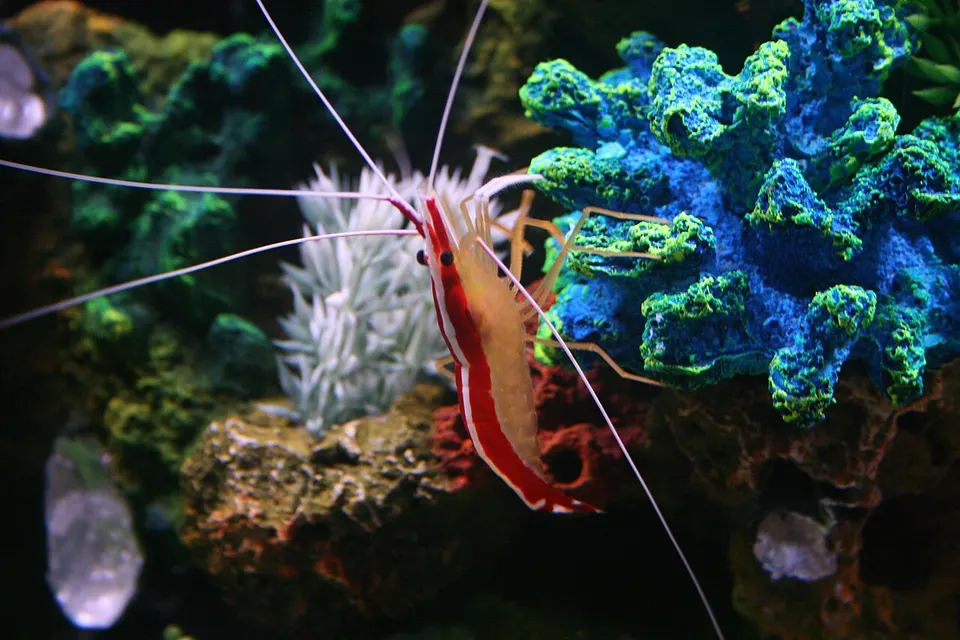
Quick Facts
| Attribute | Details |
|---|---|
| Type | Saltwater Invert |
| Size | Small (2-3 in) |
| Lifespan | 2-3 years |
| Temperature | 72-82°F |
| pH Range | 8.1-8.4 |
| Min Tank Size | 10 gal |
| Care Level | Beginner |
| Diet | Omnivore |
| Temperament | Peaceful |
Recommended for Cleaner Shrimps
Cleaner Shrimp baseline welfare rests on three habits: stable chemistry, measured feeding, and disciplined quarantine of new arrivals; these factors drive outcomes more than brand-name products.
Cleaner Shrimp Overview
The Cleaner Shrimp is a small (2-3 in) saltwater invert invertebrate that is an excellent choice for both beginners and experienced aquarists. With a lifespan of 2-3 years, this peaceful species requires a minimum tank size of 10 gal.
Cleaner Shrimps thrive in water temperatures of 72-82°F with a pH range of 8.1-8.4. As an omnivore, they accept a wide variety of foods.
With that baseline in hand, individual calls on food, exercise, preventive care, and enrichment follow more naturally
The cleaner shrimp on this page is a saltwater invert, not a freshwater ghost shrimp and not an Amano. The animal most shops mean is the skunk cleaner, Lysmata amboinensis, white with a red stripe, about 2 to 3 inches long, living 2 to 3 years. The smallest reef on this card is 10 gallons. Keep the reef at 72 to 82°F and pH 8.1 to 8.4, specific gravity 1.020 to 1.025, nitrate under 10 ppm, and ammonia and nitrite at zero. Temperament is peaceful. Diet is omnivore, which means they do more than pick at fish.
Tank Size
- Minimum: 10 gal
- Recommended: Larger is always better for stability and swimming room.
- Type: Saltwater reef or fish-only setup
Equipment
- Filtration: Protein skimmer and live rock for biological filtration.
- Heating: Reliable heater to maintain 72-82°F.
- Lighting: Appropriate reef or marine lighting.
- Powerheads: For adequate water flow and circulation.
Water Parameters
| Parameter | Ideal Range |
|---|---|
| Temperature | 72-82°F |
| pH | 8.1-8.4 |
| Ammonia | 0 ppm |
| Nitrite | 0 ppm |
| Nitrate | <10 ppm |
| Salinity | 1.020-1.025 sg |
Water Quality Warning
Saltwater species are sensitive to parameter fluctuations. Use an RO/DI unit for water changes and test regularly. Never add Cleaner Shrimps to an uncycled or newly set up tank.
Diet & Feeding
- Primary Diet: Omnivore.
- Foods: High-quality flakes/pellets, frozen brine shrimp, mysis shrimp, and blanched vegetables.
- Feeding Schedule: Feed 2-3 times weekly or allow natural grazing.
- Variety: Rotate different food types for balanced nutrition.
Cleaner Shrimp Tank Essentials
What matters most is consistency in the basics while staying alert to signals that something needs adjustment.
They set up a cleaning station and will pick dead skin and parasites off fish that choose to sit still. That behavior is real and it is not a treatment. A cleaner shrimp will not cure an ich outbreak, and it will not replace a quarantine tank. Fish that are hungry, or fish that eat shrimp, will eat the cleaner. Wrasses, hawkfish, and large predators are a bad roommate. A peaceful reef fish that ignores ornamental shrimp is the company that works.
Common Health Issues
- Marine Ich (Cryptocaryon): White spots on body and fins. Treat with copper-based medication in quarantine tank.
- Marine Velvet: Dusty gold appearance; highly contagious and often fatal if untreated.
- Molting Issues: Ensure proper water parameters and nutrition during molting.
Compatibility
- Temperament: Peaceful - pairs well with other peaceful community species.
- Tank Mates: Other peaceful community fish of similar size.
- Avoid: Large aggressive species that may bully or eat them.
Is This Species Right for You?
A sharper view of this part of Cleaner Shrimp care puts you in a better position to make decisions the animal can actually feel. Start with the framework here, then refine to the rhythm the Cleaner Shrimp settles into; most households identify the right cadence within a few weeks.
Cleaner Shrimps Are Great For:
- Beginning aquarists looking for a rewarding species
- Reef aquarium enthusiasts
- Those who can maintain stable saltwater parameters
Cleaner Shrimps May Not Be Ideal For:
- Those unable to commit to regular water testing and maintenance
- Those looking for a zero-maintenance pet
Ask Our AI About Cleaner Shrimps
Before committing to a Cleaner Shrimp, think less about whether this species is "easy" or "hard" and more about whether your setup matches its specific needs. A species rated as easy can still fail in the wrong environment.
A skunk cleaner shrimp on its side after a molt is often alive and hiding, not a body to fish out. Leave a molting shrimp alone. Copper medications used for marine parasites will kill it, so never treat a reef that holds shrimp with copper. A cleaner shrimp will pick at fish, and that does not cure marine ich. Some wrasses and triggers will eat the shrimp. Add it to a tank that has already finished cycling, with places to retreat. The white antennae are not a promise that every fish in the tank will tolerate a crustacean.
When to Seek Help
Small adjustments based on what you observe often yield the biggest improvements.
- Water testing: Before treating for disease, always test water parameters.
Diet and Nutrition Tips
Owners who use these specifics to calibrate their care programme — not as background reading but as operational defaults — report fewer surprises over the long term.
- Primary diet: Feed a high-quality staple food formulated for your Cleaner Shrimp's dietary type (herbivore, omnivore, or carnivore). Look for foods with whole ingredients and minimal fillers.
- Variety ensures complete nutrition and encourages natural foraging.
- Feeding frequency: Feed small amounts 1-2 times daily.
- Avoid overfeeding: Overfeeding is the most common nutritional mistake in fishkeeping. It leads to obesity, water pollution, and secondary health problems.
Tank Environment and Stimulation
- Tank size: Always choose a tank that meets or exceeds the minimum recommended size for Cleaner Shrimp. Larger tanks are more stable and forgiving of water quality fluctuations.
- Water parameters: Maintain consistent temperature, pH, and hardness levels appropriate for Cleaner Shrimp. Test water weekly and perform regular partial water changes.
- Filtration: Use a quality filter rated for your tank size.
- This reduces stress and aggression.
Tank Maintenance Essentials
- Water changes: Perform 20-30% partial water changes weekly.
- Filter maintenance: Rinse filter media in old tank water monthly.
- Algae control: Some algae is normal, but excessive growth indicates nutrient imbalance. Adjust lighting duration and consider adding algae-eating species.
- Water testing: Test ammonia, nitrite, nitrate, and pH at least weekly. Keep a log to track trends and catch problems early.
Living Environment
- A stable location reduces stress and prevents temperature fluctuations.
- Compatible tankmates: Research compatibility before adding new species. Aggression, different water parameter requirements, and size mismatches are common problems.
- Substrate choice: Select substrate appropriate for your Cleaner Shrimp's natural behavior, whether that is sand for digging species or planted substrate for aquascaping.
- Equipment failures can be life-threatening.
Helpful Resources for Cleaner Shrimp Owners
Explore More Guides
Get Personalized AI Guidance
Ask Our AI NowDecision Guides for Cleaner Shrimp
Use these only when comparing food, insurance, ownership budget, or beginner fit for this specific pet.
Behavior & Temperament
Cleaner Shrimp are characterized by a peaceful disposition that influences their care requirements and compatibility.
- General Disposition: Peaceful nature that defines daily interactions
- Social Behavior: Specific social needs that owners should understand and accommodate
- Activity Patterns: Natural activity cycles that influence care scheduling
Feed them. Leftover mysis, a bit of mussel, and pellets that reach the bottom are the omnivore diet in practice. A shrimp that only gets what it can clean off healthy fish slowly starves in a tank with a light parasite load. They are scavengers with a party trick, not obligate cleaners. A shrimp that stays hidden and never comes out to a feeding stick is either molting or being hunted. Give it a rock crevice it can actually defend.
Molting is normal. An empty shell on the sand, with a soft shrimp hiding nearby, means leave it alone. The new shell hardens in a day or two. Pulling the shrimp out to inspect it during a molt is how you kill it. Lysmata are simultaneous hermaphrodites, and a pair may carry green eggs under the tail in a mature reef. Raising those larvae takes separate equipment and a food culture. Eggs on a cleaner are not a promise of baby shrimp in the display. They are also not a sign that the shrimp is sick.
Copper, and most medications aimed at marine ich, kill shrimp. A reef that may need copper later is a bad place to make a cleaner shrimp the centerpiece. Two to 3 years is the life on the card. They are listed as beginner inverts because a peaceful reef with stable salinity keeps them without much fuss. The beginner mistakes are copper, a hawkfish, and assuming the shrimp can live on parasites alone. A 10-gallon tank works for one or a pair and leaves little room for a fish that might eat them.
Stick to evidence-based care, track results, and let that record tell you when to change something.
Cost of Ownership
A cleaner shrimp will pick at a fish's parasites and at your fingers, and it will be eaten by many fish people put in the same tank. It needs a mature saltwater system, stable salinity, and iodine in the normal reef range, not a bottle poured in at random. Molting is when they are vulnerable. A cleaner shrimp in a brand-new tank, or with a hungry wrasse, is a snack.
Plan on a few weeks of intentional practice to set the habits here; the durability of the outcome is worth the upfront investment.
Lysmata cleaner shrimp set up a station on the reef and pick at fish that pose for them. In a home tank they still need a meaty pellet and frozen food. They are sensitive to copper and to sudden salinity swings. Iodine and a stable specific gravity matter more than a host fish.