Yorkipoo
This page is educational reference material for preparing questions. A licensed veterinarian examines the animal, makes the diagnosis, and sets the treatment.
Affiliate links may earn a commission. Affiliate disclosure.
Quick Facts
| Attribute | Details |
|---|---|
| Parent Breeds | Yorkshire Terrier + Toy or Miniature Poodle |
| Size | 4-15 lbs (typically 7-10 lbs) |
| Height | 7-15 inches |
| Lifespan | 12-15 years |
| Temperament | Spirited, Affectionate, Confident |
| Good with Kids | Good (better with older children) |
| Good with Other Dogs | Good (with socialization) |
| Shedding | Very Low |
| Exercise Needs | Low to Moderate (20-30 min daily) |
| Trainability | Good |
Recommended for Yorkipoos
The Farmer's Dog - Fresh food for toy breeds | Embark DNA - Health screening for mixed breeds | Spot Insurance - Coverage for small breed conditions
Yorkipoo Overview
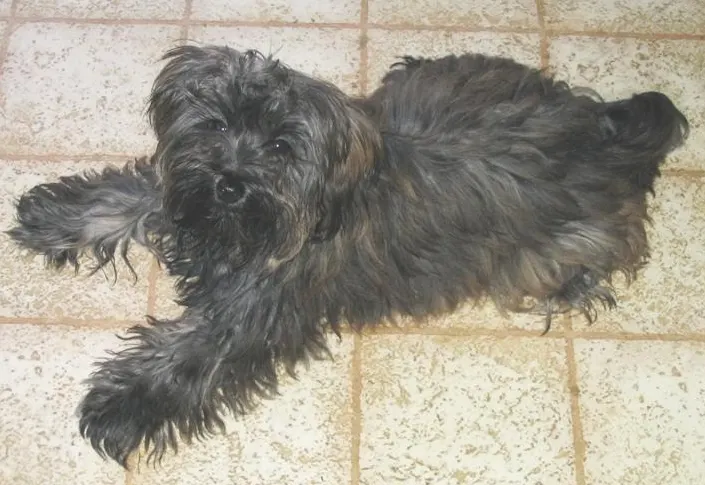
The Yorkipoo is a spunky designer breed created by crossing a Yorkshire Terrier with a Toy or Miniature Poodle. Despite their tiny size, these dogs have big personalities and have become popular companions for those seeking a small, low-shedding pet.
Yorkipoos combine the feisty, confident nature of the Yorkshire Terrier with the intelligence and hypoallergenic qualities of the Poodle. They're known for their adorable appearance, entertaining personalities, and devotion to their owners.
Parent Breed Characteristics
- Yorkshire Terrier: A spirited toy breed with a big personality. Originally bred as ratters, Yorkies are confident, feisty, and form strong bonds with their owners. Known for their silky coat.
- Toy/Miniature Poodle: Highly intelligent and hypoallergenic, with a playful yet dignified personality.
The Yorkipoo is a breed that commands attention not just for its physical appearance but for the depth of personality and capability it brings to a household. With a lifespan averaging 12-15 years, the decision to welcome a Yorkipoo into your family is one that will shape your daily routine, activity levels, and emotional life for well over a decade. This breed's spirited, affectionate, confident temperament is the product of generations of selective breeding for specific traits—understanding this heritage provides valuable insight into why your Yorkipoo behaves the way it does and what it needs from you as an owner to truly thrive.
Caring well for a Yorkipoo requires more than meeting their basic physical needs. Owners who approach Yorkipoo care with this depth of knowledge create an environment where the animal can genuinely flourish.
Sharing your space with a Yorkipoo means making room — literally and figuratively — for their specific needs. Owners who recognize this early and plan for it tend to have a much smoother experience than those who expect the Yorkipoo to simply fit into their existing routine unchanged.
Temperament & Personality
Yorkipoos have distinct, charming personalities.
- Confident: Despite their size, they have big personalities.
- Affectionate: Love to be with their owners and enjoy lap time.
- Spirited: Energetic and playful with a terrier spirit.
- Alert: Make good watchdogs and will bark at strangers.
- Intelligent: Quick learners when motivated.
- Sometimes Yappy: Can be prone to excessive barking.
The spirited, affectionate, confident nature of the Yorkipoo is not a simple personality label—it is a complex behavioral profile shaped by breed history, individual genetics, early socialization experiences, and ongoing environmental factors. What this means in practice is that two Yorkipoo from different lines, raised in different environments, can display meaningfully different behavioral tendencies while still sharing core breed characteristics.
A five-minute vet conversation is how generic Yorkipoo guidance becomes a plan fitted to your specific animal.
Common Health Issues
Yorkipoos can inherit health conditions from either parent breed.
orthopedic problems
- Luxating Patella: Very common in toy breeds; kneecap slips out of place.
- Legg-Calve-Perthes Disease: Hip joint deterioration in small breeds.
Other Concerns
- Dental Problems: Small mouths prone to overcrowding and tooth decay.
- Hypoglycemia: Low blood sugar, especially in puppies.
- Tracheal Collapse: Common in Yorkies, can be inherited.
- Progressive Retinal Atrophy: Eye disease causing vision loss.
- Portosystemic Shunt: Liver condition seen in small breeds.
- Epilepsy: Can be inherited from either breed.
Health Screening Recommendation
Request eye certifications, patella evaluations, and cardiac exams from both parents. Consider Embark DNA testing for comprehensive genetic screening.
Keeping your Yorkipoo healthy over the long haul requires attention to details that are easy to overlook.
If you are curious about your Yorkipoo's inherited health profile, genetic testing can provide valuable context.
As your Yorkipoo ages, their care needs will shift in ways that are easier to manage when anticipated.
Cost of Ownership
Understanding the full cost helps prepare for Yorkipoo ownership.
| Expense Category | Annual Cost Estimate |
|---|---|
| Puppy Price | $800-$2,500+ |
| Food (premium quality) | $200-$400 |
| Veterinary Care (routine) | $250-$500 |
| Pet Insurance | $300-$500 |
| Grooming (professional) | $400-$700 |
| Dental Care | $200-$500 |
| Supplies & Toys | $100-$200 |
| Total Annual Cost | $1,450-$2,800 |
Budget estimates only tell part of the story. Some Yorkipoo owners spend well below these figures; others spend significantly more due to health issues or premium product choices.
Budget more aggressively for the first year. Beyond the obvious — food, vet visits, supplies — there are costs that catch people off guard: replacing items your Yorkipoo destroys during teething, emergency visits for swallowed objects, and higher food costs during rapid growth phases. After that initial period, expenses settle into a more manageable rhythm.
Owners who maintain a regular preventive care schedule for their Yorkipoo consistently report lower overall vet costs than those who wait for problems to appear. The math favors prevention every time.
Exercise & Activity Requirements
Yorkipoos have modest exercise needs.
- Daily Exercise: 20-30 minutes of activity
- Short Walks: A few brief walks work well
- Indoor Play: Can meet much of their exercise needs indoors
- Mental Stimulation: Puzzle toys and training games
- Careful Handling: Protect from rough play due to small size
Training Tips for Yorkipoos
Yorkipoos are intelligent but can be stubborn.
- Positive Reinforcement: Essential for these sensitive dogs
- Potty Training: May require extra patience (small bladders)
- Barking Control: Address excessive barking early
- Socialization: Important to prevent small dog syndrome
- Consistency: Don't let bad behaviors slide due to cuteness
Nutrition & Feeding
Proper nutrition for tiny Yorkipoos.
- Toy Breed Formula: Small kibble and appropriate nutrients
- Frequent Meals: 3-4 small meals daily to prevent hypoglycemia
- Quality Protein: Essential for energy and muscle
- Dental Health: Dental-specific foods or treats help
- Monitor Weight: Even a few extra ounces matter on tiny dogs
Top Food Choices for Yorkipoos
The Farmer's Dog - Fresh, portion-controlled meals | Ollie - Custom fresh food for toy breeds | Hill's Science Diet - Toy breed dental formulas
Good nutrition is the foundation of Yorkipoo health, but that does not mean you need the most expensive food on the shelf. Your Yorkipoo's response — steady weight, good energy, healthy coat, firm stools — is the best indicator that you have found the right food.
Do not overthink your Yorkipoo's diet to the point of paralysis. That practical, observation-based approach beats any marketing claim.
Grooming Requirements
Yorkipoos need regular grooming.
- Coat Types: Can be silky, wavy, or curly
- Brushing: Daily to every other day
- Professional Grooming: Every 4-6 weeks
- Dental Care: Daily brushing crucial for toy breeds
- Tear Staining: May need daily face cleaning
- Nail Trimming: Every 2-3 weeks
Yorkipoos Are Great For:
- Apartment dwellers
- Seniors looking for a companion
- Those wanting a low-shedding dog
- Singles or couples
- Those who enjoy grooming their dogs
Yorkipoos May Not Be Ideal For:
- Families with very young children (too fragile)
- Those who dislike barking
- People who want an easy-to-train dog
- Very active families wanting a jogging partner
- Homes with large dogs (risk of injury)
A Yorkipoo mixes a Yorkshire Terrier's airway and teeth with a Poodle's coat, and neither size nor shedding is guaranteed. Collapsing trachea, dental disease, and patellar luxation are the Yorkie problems to watch in a dog this small. The coat mats if it is not combed to the skin. A toy dog that coughs when excited or pulls on a collar needs a harness and a vet, not a harder walk.
The relationship you build with a Yorkipoo deepens over time. That is what keeps Yorkipoo owners coming back to the breed.
Related Breeds to Consider
If you're interested in Yorkipoos, you might also consider.
- Maltipoo - Maltese-Poodle mix, gentler temperament
- Chorkie - Chihuahua-Yorkie mix
- Morkie - Maltese-Yorkie mix
- Yorkshire Terrier - Parent breed
- Toy Poodle - Parent breed
Ask Our AI About Yorkipoos
Yorkipoo-specific guidance outperforms generic pet content on almost every practical question.
Related Health & Care Guides
Get Personalized AI Guidance
Ask Our AI NowDecision Guides for Yorkipoo
Use these only when comparing food, insurance, ownership budget, or beginner fit for this specific pet.