Skye Terrier
This page is educational reference material for preparing questions. A licensed veterinarian examines the animal, makes the diagnosis, and sets the treatment.
Affiliate links may earn a commission. Affiliate disclosure.
Quick Facts
| Attribute | Details |
|---|---|
| Breed Group | Terrier |
| Size | Medium (35-45 lbs) |
| Height | 9-10 inches (long body) |
| Lifespan | 12-14 years |
| Temperament | Loyal, Courageous, Dignified |
| Good with Kids | Good (older children) |
| Good with Other Dogs | Can be reserved |
| Shedding | Moderate |
| Exercise Needs | Moderate (30-60 minutes daily) |
| Trainability | Moderate (sensitive, independent) |
Recommended for Skye Terriers
The Farmer's Dog - Fresh food for terriers | Embark DNA - Health screening for genetic conditions | Spot Insurance - Coverage for breed-specific conditions
Skye Terrier Overview
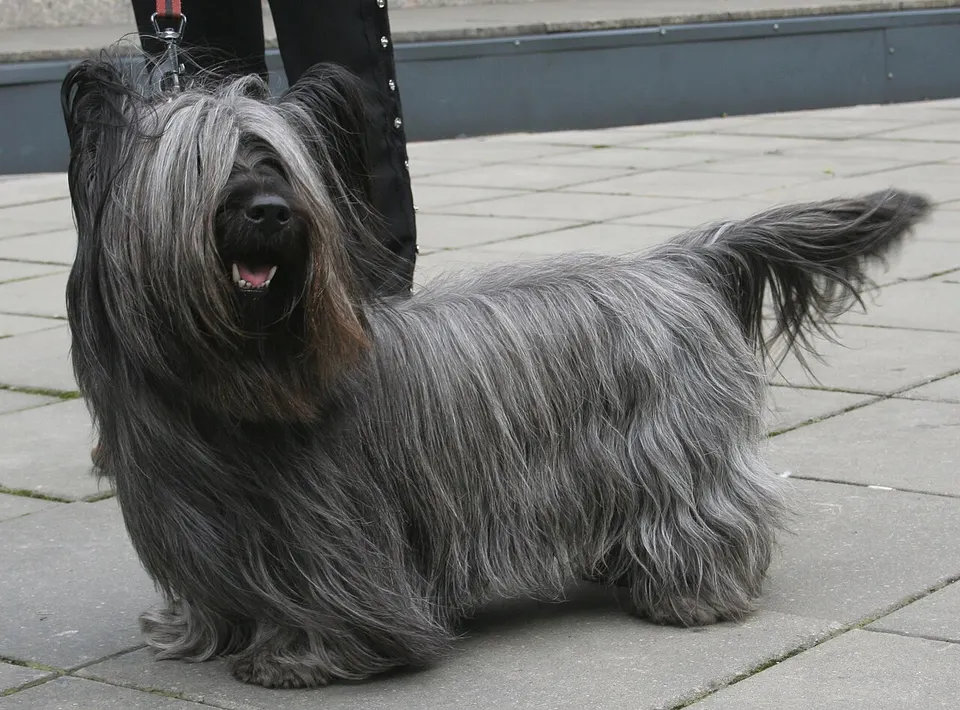
The Skye Terrier is one of the oldest and most distinctive Scottish terrier breeds, originating from the Isle of Skye over 400 years ago. Their unique appearance features a long, low body covered with a profuse coat that parts down the middle and falls straight on each side.
Famous for the story of Greyfriars Bobby, a Skye Terrier who guarded his owner's grave for 14 years in Edinburgh, this breed exemplifies loyalty and devotion. Once a favorite of British royalty including Queen Victoria, the Skye Terrier is now considered one of the most endangered native British breeds.
The Skye Terrier is a breed that commands attention not just for its physical appearance but for the depth of personality and capability it brings to a household. With a lifespan averaging 12-14 years, the decision to welcome a Skye Terrier into your family is one that will shape your daily routine, activity levels, and emotional life for well over a decade. This breed's loyal, courageous, dignified temperament is the product of generations of selective breeding for specific traits—understanding this heritage provides valuable insight into why your Skye Terrier behaves the way it does and what it needs from you as an owner to truly thrive.
Exceptional Skye Terrier care starts with understanding, not just affection. Knowing why your Skye Terrier behaves the way it does — what instincts drive its daily patterns, what environments suit it best, what stressors to avoid — makes every care decision more effective.
Sharing your space with a Skye Terrier means making room — literally and figuratively — for their specific needs. Owners who recognize this early and plan for it tend to have a much smoother experience than those who expect the Skye Terrier to simply fit into their existing routine unchanged.
Temperament & Personality
Skye Terriers are known for their unique combination of traits.
- Intensely Loyal: Form deep, devoted bonds with their primary person.
- Dignified & Reserved: More serious and aloof than many terriers.
- Courageous & Fearless: Won't back down despite their elegant appearance.
- Sensitive: Take correction to heart and remember both kindness and slights.
- Wary of Strangers: Need proper socialization to accept new people.
The loyal, courageous, dignified nature of the Skye Terrier is not a simple personality label—it is a complex behavioral profile shaped by breed history, individual genetics, early socialization experiences, and ongoing environmental factors. What this means in practice is that two Skye Terrier from different lines, raised in different environments, can display meaningfully different behavioral tendencies while still sharing core breed characteristics.
Every feeding plan for a Skye Terrier should end with a brief veterinary check, especially after weight, age, or health changes.
Common Health Issues
Skye Terriers can be prone to certain health conditions.
Orthopedic Concerns
- Premature Closure of Growth Plates: Puppies should avoid excessive jumping and stair climbing until 18-24 months.
- Intervertebral Disc Disease: Their long backs can be prone to disc problems.
- Achondroplasia: Form of dwarfism that gives them their characteristic short legs.
Other Conditions
- Autoimmune Disease: Some Skyes are prone to autoimmune conditions.
- Hypothyroidism: Underactive thyroid affecting metabolism.
- Allergies: Skin and environmental allergies can occur.
- Mammary Cancer: Higher incidence in unspayed females.
Health Screening Recommendation
Before getting a Skye Terrier, ask breeders about orthopedic health, autoimmune history in the line, and thyroid testing. Consider Embark DNA testing to screen for genetic health conditions. Important: Limit exercise in puppies to protect developing bones.
Good health outcomes for a Skye Terrier depend less on reacting to problems and more on preventing them from gaining a foothold.
Cost of Ownership
Understanding the full cost helps prepare for Skye ownership.
| Expense Category | Annual Cost Estimate |
|---|---|
| Food (premium quality) | $400-$700 |
| Veterinary Care (routine) | $300-$600 |
| Pet Insurance | $350-$650 |
| Grooming | $400-$800 |
| Training (first year) | $200-$600 |
| Supplies & Toys | $100-$250 |
| Total Annual Cost | $1,750-$3,600 |
One of the more practical financial habits for Skye Terrier ownership is maintaining a small emergency reserve.
Expect the first year of Skye Terrier ownership to carry the heaviest financial load.
Regular health assessments for your Skye Terrier are an investment, not an expense.
Exercise & Activity Requirements
Skyes need appropriate, careful exercise.
- Daily Exercise: 30-60 minutes of walks and play
- Puppy Precautions: No jumping or stairs until bones mature (18-24 months)
- Mental Stimulation: Puzzle toys and training to engage their minds
- Secure Areas: They can chase prey and dig
- Moderate Pace: They prefer steady walks to intense activity
Training Tips for Skye Terriers
Skyes require patient, sensitive training approaches.
- Build Trust First: Develop a strong bond before expecting compliance
- Positive Methods Only: Harsh corrections damage the relationship permanently
- Early Socialization: Critical for their reserved nature with strangers
- Patience: They process and decide whether to comply
- Consistency: Fair, predictable rules they can rely on
Nutrition & Feeding
Proper nutrition supports the Skye's unique build.
- Quality Food: High-quality protein to support muscle mass
- Joint Support: Glucosamine and omega-3s for their long spine
- Portion Control: 1 to 1.5 cups daily, divided into two meals
- Weight Management: Extra weight stresses their backs
- Puppy Nutrition: Controlled growth formula for proper bone development
Top Food Choices for Skyes
The Farmer's Dog - Fresh, portion-controlled meals | Ollie - Custom fresh food plans | Hill's Science Diet - Joint health formulas
Grooming Requirements
Skyes have a distinctive coat requiring regular care.
- Brushing: 2-3 times weekly minimum to prevent matting
- Bathing: Every 2-3 weeks or as needed
- Coat Maintenance: Hair over eyes can be tied up or trimmed for visibility
- Ear Care: Check under heavy ear feathering weekly
- Nail Trimming: Every 2-3 weeks
Is a Skye Terrier Right for You?
People often underestimate how much this piece of a Skye Terrier's routine influences later health outcomes.
Skyes Are Great For:
- Those seeking a devoted, one-person companion
- Patient owners who appreciate a sensitive dog
- People who enjoy grooming and coat care
- Those who appreciate rare, historical breeds
- Quieter households without young children
Skyes May Not Be Ideal For:
- Families with young children (prefer calm environments)
- Those wanting a highly social, outgoing dog
- First-time dog owners unfamiliar with terriers
- Homes with many stairs or requiring jumping
- Owners who prefer minimal grooming
A Skye Terrier is a long, low dog under a floor-length coat. The back is the structural risk: disc disease and injury from jumping follow a long spine. The coat has to be kept from matting or the dog cannot move its legs freely. They are reserved with strangers and devoted to their person. This is not a drop-in greeting breed at the dog park.
Life with a Skye Terrier settles into a rhythm that most owners come to genuinely enjoy.
Related Breeds to Consider
If you're interested in Skye Terriers, you might also consider.
- Scottish Terrier - Similar dignity and independence
- Dandie Dinmont Terrier - Long body, unique appearance
- Cesky Terrier - Long-bodied, calmer terrier
- Silky Terrier - Similar long coat, smaller size
Ask Our AI About Skye Terriers
Every time you adjust for something the Skye Terrier actually does, rather than what breed profiles predict, results improve.
Related Health & Care Guides
A settled understanding of this angle of Skye Terrier care puts you in a better position to make decisions the animal can actually feel. No two Skye Terrier behave exactly alike, so let your own pet's cues guide the small adjustments that matter.
Get Personalized AI Guidance
Ask Our AI NowDecision Guides for Skye Terrier
Use these only when comparing food, insurance, ownership budget, or beginner fit for this specific pet.