Schipperke
This page is educational reference material for preparing questions. A licensed veterinarian examines the animal, makes the diagnosis, and sets the treatment.
Affiliate links may earn a commission. Affiliate disclosure.
Quick Facts
| Attribute | Details |
|---|---|
| Breed Group | Non-Sporting |
| Size | Small (10-16 lbs) |
| Height | 10-13 inches |
| Lifespan | 12-16 years |
| Temperament | Curious, Confident, Mischievous |
| Good with Kids | Good (older children preferred) |
| Good with Other Dogs | Moderate |
| Shedding | Moderate to High (seasonal blowouts) |
| Exercise Needs | Moderate (30-60 minutes daily) |
| Trainability | Moderate (can be stubborn) |
Recommended for Schipperkes
The Farmer's Dog - Fresh food for small breeds | Embark DNA - Health screening for genetic conditions | Spot Insurance - Coverage for breed-specific conditions
Schipperke Overview
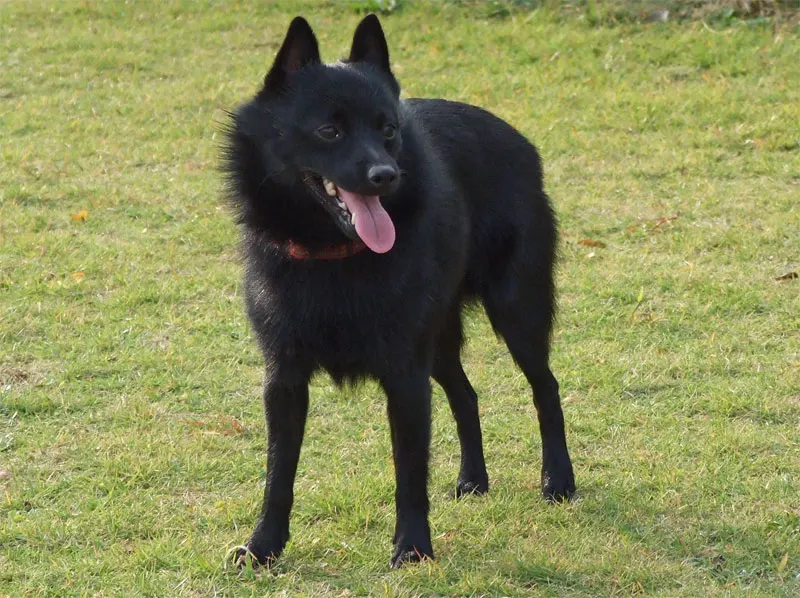
The Schipperke (pronounced "SKIP-er-kee") is a small Belgian breed known as the "Little Black Devil" due to its mischievous personality. Originally bred as barge watchdogs and ratters on Belgian canal boats, these compact dogs pack a lot of personality into a small package.
Despite their small size, Schipperkes are fearless, curious, and always ready for action. They're characterized by their distinctive silhouette with a thick ruff around the neck, a foxlike face, and their naturally tailless appearance (many are born without tails or have them docked). Their solid black coat and alert expression give them a striking appearance.
The Schipperke is a breed that commands attention not just for its physical appearance but for the depth of personality and capability it brings to a household. With a lifespan averaging 12-16 years, the decision to welcome a Schipperke into your family is one that will shape your daily routine, activity levels, and emotional life for well over a decade. This breed's curious, confident, mischievous temperament is the product of generations of selective breeding for specific traits—understanding this heritage provides valuable insight into why your Schipperke behaves the way it does and what it needs from you as an owner to truly thrive.
Getting to know a Schipperke on a deeper level means recognizing what makes this particular animal tick.
Making room for a Schipperke in your life involves practical trade-offs. Some daily habits shift, certain expenses become routine, and flexibility becomes essential.
Temperament & Personality
Schipperkes are known for their bold and independent character.
- Curious & Alert: These dogs are always investigating their surroundings. Nothing escapes their attention, making them excellent watchdogs.
- Independent: Unlike many breeds, Schipperkes have a mind of their own and may not always comply with commands, especially if they see no benefit.
- Mischievous: True to their "Little Black Devil" nickname, they love to get into things and can be escape artists.
- Loyal: Despite their independence, they form strong bonds with their families and can be protective.
- High Prey Drive: Their ratting heritage means they'll chase small animals, so secure fencing is essential.
The curious, confident, mischievous nature of the Schipperke is not a simple personality label—it is a complex behavioral profile shaped by breed history, individual genetics, early socialization experiences, and ongoing environmental factors. What this means in practice is that two Schipperke from different lines, raised in different environments, can display meaningfully different behavioral tendencies while still sharing core breed characteristics.
The vet's role is to adapt general Schipperke guidance into something calibrated to your animal's actual profile.
Common Health Issues
Schipperkes are generally healthy but have some breed-specific concerns.
joint and skeletal conditions
- Legg-Calve-Perthes Disease: Degeneration of the hip joint's femoral head, causing lameness. Usually appears between 4-12 months.
- Patellar Luxation: Kneecap dislocation common in small breeds. Can range from mild to severe.
Eye Conditions
- Progressive Retinal Atrophy (PRA): Inherited disease causing gradual vision loss. DNA testing is available.
- Cataracts: Can develop at various ages, potentially leading to blindness if untreated.
Other Concerns
- MPS IIIB (Sanfilippo Syndrome): A fatal genetic storage disease specific to Schipperkes. DNA testing is essential before breeding.
- Hypothyroidism: Underactive thyroid causing weight gain, lethargy, and skin problems.
- Epilepsy: Seizure disorder that can be managed with medication in most cases.
Health Screening Recommendation
Before getting a Schipperke, ensure breeders test for MPS IIIB, PRA, and patellar luxation. Consider Embark DNA testing to screen for genetic health conditions.
A reliable baseline is what makes Schipperke wellness care actually work.
Genetic screening has changed how many Schipperke owners approach preventive health.
The middle years of a Schipperke's life are when subtle health shifts begin to appear — slightly slower recovery after exercise, a preference for softer resting spots, or minor changes in appetite.
Cost of Ownership
Understanding the full cost helps prepare for Schipperke ownership.
| Expense Category | Annual Cost Estimate |
|---|---|
| Food (premium quality) | $300-$500 |
| Veterinary Care (routine) | $250-$500 |
| Pet Insurance | $300-$600 |
| Grooming | $150-$300 |
| Training (first year) | $200-$800 |
| Supplies & Toys | $150-$300 |
| Total Annual Cost | $1,350-$3,000 |
Budget estimates only tell part of the story. Some Schipperke owners spend well below these figures; others spend significantly more due to health issues or premium product choices.
Budget more aggressively for the first year. Beyond the obvious — food, vet visits, supplies — there are costs that catch people off guard: replacing items your Schipperke destroys during teething, emergency visits for swallowed objects, and higher food costs during rapid growth phases. After that initial period, expenses settle into a more manageable rhythm.
Owners who maintain a regular preventive care schedule for their Schipperke consistently report lower overall vet costs than those who wait for problems to appear. The math favors prevention every time.
Exercise & Activity Requirements
Schipperkes have moderate but consistent exercise needs: Owners who take time to understand Schipperke-specific patterns typically pay for that time many times over in avoided corrective costs.
- Daily Exercise: 30-60 minutes of activity including walks and play sessions
- Mental Stimulation: Puzzle toys and games are essential for their curious minds
- Secure Areas: They're escape artists, so exercise in fenced areas only
- Indoor Play: Their small size makes them suitable for apartment living with adequate exercise
- Dog Sports: Excel at agility, barn hunt, and obedience despite their independent streak
Training Tips for Schipperkes
Training a Schipperke requires patience and creativity.
- Start Early: Begin training and socialization as puppies to manage their independent nature
- Keep It Interesting: They bore easily, so vary training methods and keep sessions short
- Positive Reinforcement: Harsh methods backfire with this breed; use treats and praise
- Secure Recall: Their prey drive makes reliable recall challenging; always use a leash in unfenced areas
- Barking Control: Address excessive barking early as they're vocal watchdogs
Nutrition & Feeding
Proper nutrition keeps your Schipperke healthy.
- Portion Control: Small dogs can easily become overweight; measure food carefully
- Quality Protein: Active dogs need high-quality protein sources
- Avoid Overfeeding: Their begging can be persuasive, but stick to recommended portions
- Feeding Schedule: Two meals daily for adults; more frequent for puppies
Top Food Choices for Schipperkes
The Farmer's Dog - Fresh, portion-controlled meals | Ollie - Custom fresh food for small breeds | Hill's Science Diet - Small breed formulas
Choosing the right food for your Schipperke involves more substance than marketing. Flashy ingredient lists matter less than whether the nutritional profile matches your Schipperke's life stage, size, and activity level. Pay attention to how your Schipperke responds — coat condition, energy, digestion, and weight stability are the real indicators of whether a food is working.
Grooming Requirements
Schipperkes have a distinctive double coat requiring regular maintenance.
- Brushing: Weekly brushing, more during seasonal shedding
- Coat Blowouts: Heavy shedding occurs 1-2 times yearly; daily brushing during these periods
- Bathing: Every 4-8 weeks or as needed
- Nail Trimming: Every 2-3 weeks
- Dental Care: Small breeds are prone to dental issues; brush teeth regularly
Is a Schipperke Right for You?
Schipperkes Are Great For:
- Experienced dog owners who appreciate independent breeds
- Active individuals or couples
- Those wanting a watchdog in a small package
- Apartment dwellers with time for exercise
- People who enjoy a dog with personality and spunk
Schipperkes May Not Be Ideal For:
- First-time dog owners expecting easy training
- Families with very young children
- Homes with small pets (cats, rabbits, etc.)
- Those wanting an off-leash reliable dog
- People who dislike barking or can't address it through training
Ask for the MPS IIIB DNA result before you take a Schipperke puppy. That storage disease is fatal, and there is a test. A young dog that limps on a hind leg may have Legg-Calve-Perthes disease in the hip, which is not a sprain from the stairs. Many Schipperkes are born with a natural bob tail. The temperament is the other cost: they bark, they escape, and a bored one will invent a job. A cheap untested puppy is not a saving if the puppy cannot be kept sound.
Related Breeds to Consider
If you're interested in Schipperkes, you might also consider.
- Belgian Sheepdog - Larger Belgian breed, more trainable
- Pomeranian - Similar spitz-type appearance, more affectionate
- Miniature Pinscher - Similar energy and confidence
- Swedish Vallhund - Similar working heritage and size
Ask Our AI About Schipperkes
Owners who take time to understand Schipperke-specific patterns typically pay for that time many times over in avoided corrective costs.
Related Health & Care Guides
Experienced Schipperke owners often cite this as the factor they wish they had taken more seriously at the start.
Get Personalized AI Guidance
Ask Our AI NowDecision Guides for Schipperke
Use these only when comparing food, insurance, ownership budget, or beginner fit for this specific pet.