Papillon
This page is educational reference material for preparing questions. A licensed veterinarian examines the animal, makes the diagnosis, and sets the treatment.
Affiliate links may earn a commission. Affiliate disclosure.
Quick Facts
| Attribute | Details |
|---|---|
| Breed Group | Toy |
| Size | Small (5-10 lbs) |
| Height | 8-11 inches |
| Lifespan | 14-16 years |
| Temperament | Alert, Friendly, Happy |
| Good with Kids | Good (older, gentle children) |
| Good with Other Dogs | Good |
| Shedding | Moderate |
| Exercise Needs | Moderate (30-45 min daily) |
| Trainability | Excellent (highly intelligent) |
Recommended for Papillons
The Farmer's Dog - Fresh food for small breeds | Embark DNA - Health screening for genetic conditions | Spot Insurance - Coverage for patellar luxation & more
Papillon Overview
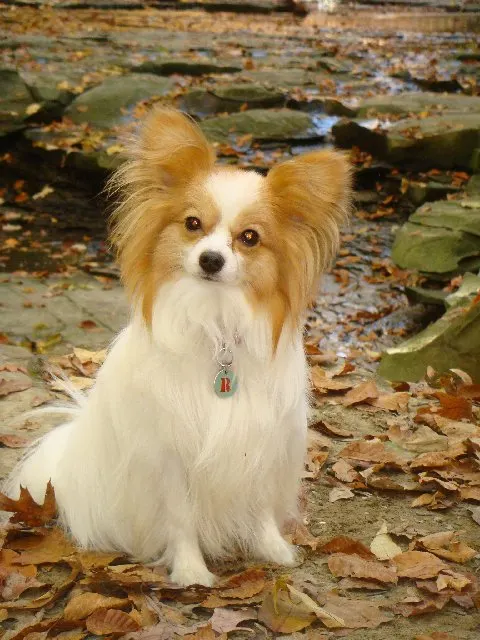
The Papillon, French for "butterfly," is named for its distinctive butterfly-like ears with flowing fringed hair. This elegant toy breed has been a favorite of European nobility for centuries, appearing in paintings by Rembrandt, Rubens, and other Old Masters. Marie Antoinette was said to have walked to the guillotine carrying her beloved Papillon.
Don't let their delicate appearance fool you - Papillons are among the most intelligent and trainable of all breeds. They consistently rank in the top 10 for canine intelligence and excel in obedience, agility, and other dog sports. Their cheerful, outgoing personality makes them delightful companions for those who appreciate a small dog with a big brain.
The Papillon is a breed that commands attention not just for its physical appearance but for the depth of personality and capability it brings to a household. With a lifespan averaging 14-16 years, the decision to welcome a Papillon into your family is one that will shape your daily routine, activity levels, and emotional life for well over a decade. This breed's alert, friendly, happy temperament is the product of generations of selective breeding for specific traits—understanding this heritage provides valuable insight into why your Papillon behaves the way it does and what it needs from you as an owner to truly thrive.
The difference between a good Papillon owner and a great one comes down to understanding what this particular animal actually needs, rather than projecting assumptions based on appearance or general expectations. Every Papillon has traits rooted in its background that influence behavior, health, and daily care requirements.
Welcoming a Papillon into your home is less about adding a pet and more about adopting a new set of daily responsibilities.
Temperament & Personality
Papillons have a sparkling, energetic personality.
- Highly Intelligent: Among the smartest of all breeds; quick learners who enjoy mental challenges.
- Alert & Active: More athletic and energetic than many toy breeds; not typical lap dogs.
- Friendly & Outgoing: Love meeting new people and generally get along with everyone.
- Confident: Big personality in a small package; not aware of their tiny size.
- Happy: Known for their cheerful, upbeat demeanor.
The alert, friendly, happy nature of the Papillon is not a simple personality label—it is a complex behavioral profile shaped by breed history, individual genetics, early socialization experiences, and ongoing environmental factors. What this means in practice is that two Papillon from different lines, raised in different environments, can display meaningfully different behavioral tendencies while still sharing core breed characteristics.
Use the defaults here as a scaffold and let your veterinary team replace the placeholder values with ones calibrated to your pet's specific health profile.
Common Health Issues
Papillons are generally healthy but have some breed concerns.
hip and joint issues
- Patellar Luxation: Kneecap displacement common in toy breeds; can require surgery.
- Legg-Calve-Perthes: Hip joint deterioration in young dogs.
Other Conditions
- Progressive Retinal Atrophy (PRA): Genetic eye condition; DNA testing available.
- Dental Issues: Small mouths prone to crowding and dental disease.
- Hypoglycemia: Low blood sugar, especially in puppies; require regular meals.
- Open Fontanel: Soft spot on skull that may not close completely.
- Collapsing Trachea: Weakened windpipe that can cause coughing.
Health Screening Recommendation
Before getting a Papillon, ask breeders for patellar evaluations, cardiac exams, and PRA DNA testing. Consider Embark DNA testing for comprehensive health screening. Establish good dental care from the start.
Preventive care for a Papillon is not just about annual exams — it is a mindset. That partnership between attentive ownership and professional guidance is what keeps most Papillons in good shape throughout their lives.
Understanding your Papillon's genetic makeup can guide decisions about everything from exercise intensity to supplement choices. It is one of the more practical tools available for anyone committed to keeping their Papillon in the best possible shape.
Planning for your Papillon's senior phase begins well before the grey appears. Papillons that receive thoughtful, consistent care through this transition tend to maintain vitality and comfort far longer than those whose care remains static.
Cost of Ownership
Understanding the full cost helps prepare for Papillon ownership.
| Expense Category | Annual Cost Estimate |
|---|---|
| Food (premium quality) | $200-$400 |
| Veterinary Care (routine) | $250-$500 |
| Dental Care | $150-$400 |
| Pet Insurance | $300-$500 |
| Grooming | $100-$250 |
| Training (first year) | $150-$400 |
| Supplies & Toys | $100-$250 |
| Total Annual Cost | $1,250-$2,700 |
The numbers in the table above are averages — your actual spending will depend on where you live, your Papillon's individual health, and the choices you make about food quality, insurance, and grooming. Cities tend to be pricier for vet care. Rural areas may require longer drives to specialists.
Most new Papillon owners are surprised by first-year costs. The good news is that subsequent years are more predictable. Just keep in mind that senior Papillons may need additional care as they enter the last few years of their 14-16 years lifespan.
Exercise & Activity Requirements
Papillons are more active than typical toy breeds.
- Daily Exercise: 30-45 minutes of walks and active play
- Mental Stimulation: Puzzle toys and training games essential for their intelligence
- Dog Sports: Excel at agility, obedience, and rally; often outperform larger breeds
- Indoor Play: Happy to play fetch and games indoors
- Social Activities: Enjoy outings and meeting new people
Training Tips for Papillons
Papillons are exceptionally easy to train: Leaning into Papillon-specific detail, instead of one-size-fits-all advice, consistently yields better results.
- Challenge Them: Their intelligence means they need mental challenges; don't underestimate them
- Positive Methods: Respond excellently to praise, treats, and play rewards
- Variety: Keep training interesting with new tricks and skills
- Advanced Training: Consider agility, tricks, or competitive obedience
- Socialization: Expose to many experiences; they're naturally confident but benefit from varied exposure
- Prevent Small Dog Syndrome: Train and set boundaries as you would with a larger dog
Nutrition & Feeding
- Small Breed Formula: Appropriately sized kibble for small mouths
- Regular Meals: Feed 2-3 small meals to prevent hypoglycemia
- Portion Control: Easy to overfeed; typically 1/4 to 1/2 cup daily
- Dental Support: Some dry kibble can help with dental health
- Quality Protein: Active dogs need quality protein sources
Top Food Choices for Papillons
The Farmer's Dog - Fresh, portion-controlled meals | Ollie - Custom fresh food for small breeds | Hill's Science Diet - Small breed formulas
When it comes to Papillon nutrition, simplicity usually wins. A well-formulated food that meets your Papillon's specific needs is better than a rotation of trendy diets. Focus on protein quality, calorie appropriateness for your Papillon's size and activity level, and avoiding ingredients your Papillon does not tolerate well. The rest is marketing.
Grooming Requirements
Papillons have moderate grooming needs.
- Brushing: 2-3 times weekly with a pin brush; more during shedding
- No Undercoat: Single coat makes them easier to maintain than double-coated breeds
- Bathing: Every 4-6 weeks or as needed
- Ear Care: Keep ear fringe clean and free of mats
- Dental Care: Daily brushing recommended; dental health is critical
- Nail Trimming: Every 2-3 weeks
Is a Papillon Right for You?
A clear picture of this side of Papillon care puts you in a better position to make decisions the animal can actually feel. Generic recommendations are a reasonable starting point, but the Papillon you live with ultimately sets the standard.
Papillons Are Great For:
- Those wanting a smart, trainable small dog
- Active individuals who enjoy dog sports
- Apartment or house dwellers (adaptable)
- People who want a small dog without typical "toy dog" temperament
- Owners who enjoy training and mental challenges
Papillons May Not Be Ideal For:
- Families with very young or rough children (fragile)
- Those wanting a calm, quiet lap dog
- People who won't provide mental stimulation
- Those not committed to dental care
- Homes with much larger dogs (risk of injury during play)
Bringing any dog into your home is a long-term commitment, and the Papillon is no exception. A Papillon thrives in a household where everyone participates in care, not just the person who wanted one.
Owning a Papillon is a practical commitment on paper — grooming, vet care, training — but the thing that keeps owners engaged is relational. A dog that knows you and trusts you becomes part of the texture of daily life, and most Papillon owners identify that bond as the reason they keep doing the work.
Related Breeds to Consider
If you're interested in Papillons, you might also consider.
- Pomeranian - Similar size, fluffy appearance
- Toy Poodle - Equally intelligent, low-shedding
- Chihuahua - Similar size, different temperament
- Havanese - Friendly small breed, more coat maintenance
Ask Our AI About Papillons
Most Papillon planning bundles the same topics every time; stepping outside the default list, particularly to this area, frequently pays back.
Related Health & Care Guides
Get Personalized AI Guidance
Ask Our AI NowDecision Guides for Papillon
Use these only when comparing food, insurance, ownership budget, or beginner fit for this specific pet.