Olde English Bulldogge
This page is educational reference material for preparing questions. A licensed veterinarian examines the animal, makes the diagnosis, and sets the treatment.
Affiliate links may earn a commission. Affiliate disclosure.
Quick Facts
| Attribute | Details |
|---|---|
| Breed Group | Working |
| Size | Medium to Large (50-80 lbs) |
| Height | 16-20 in |
| Lifespan | 9-14 years |
| Temperament | Friendly, Courageous, Alert |
| Good with Kids | Good |
| Shedding | Moderate |
| Exercise Needs | Moderate |
| Grooming Needs | Low |
Recommended for Olde English Bulldogges
The Farmer's Dog - Fresh meals tailored to breed size | Embark DNA - Screen for breed-specific conditions | Spot Insurance - Coverage for Olde English Bulldogge health issues
Olde English Bulldogge Overview
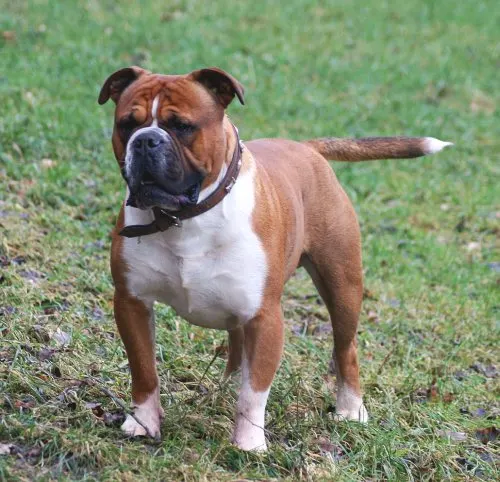
The Olde English Bulldogge is a medium to large working breed known for being friendly, courageous, alert. Weighing 50-80 lbs and standing 16-20 in tall, this breed combines an appealing appearance with a wonderful temperament that has made it a favorite among dog enthusiasts worldwide. With a lifespan of 9-14 years, the Olde English Bulldogge offers years of loyal companionship.
Originally developed for various working tasks including guarding, pulling, and rescue, the Olde English Bulldogge has evolved into an excellent family companion while retaining many of its original instincts and abilities.
Olde English Bulldogges are good family dogs that do well with respectful children.
The Olde English Bulldogge is a breed that commands attention not just for its physical appearance but for the depth of personality and capability it brings to a household. With a lifespan averaging 9-14 years, the decision to welcome an Olde English Bulldogge into your family is one that will shape your daily routine, activity levels, and emotional life for well over a decade. This breed's friendly, courageous, alert temperament is the product of generations of selective breeding for specific traits—understanding this heritage provides valuable insight into why your Olde English Bulldogge behaves the way it does and what it needs from you as an owner to truly thrive.
Do not treat ads for an olde english bulldogge as a health clearance. An Olde English Bulldogge was bred to be a healthier bulldog and many still have a short face, skin folds, hips, and heat limits. Ask whether the parents breathe quietly awake and asleep, and whether hips were scored. A dog that snores, overheats, or skips on a hind leg needs a vet, not a tougher walk. The name is not a health certificate.
An Olde English Bulldogge was bred to be a healthier bulldog and many still have a short face, skin folds, hips, and heat limits. Ask whether the parents breathe quietly awake and asleep, and whether hips were scored. A dog that snores, overheats, or skips on a hind leg needs a vet, not a tougher walk. The name is not a health certificate.
Temperament & Personality
Olde English Bulldogges have a distinctive personality that endears them to their owners.
- Friendly: This defining trait makes the Olde English Bulldogge a standout companion that bonds deeply with their family.
- Courageous: Their courageous nature means they are always eager to please and participate in family activities.
- Alert: Olde English Bulldogges show remarkable alert in various situations and environments.
- Alert: Olde English Bulldogges are naturally watchful and will alert their families to unusual activity.
- Social: Olde English Bulldogges can be selective with strangers but warm up with proper introductions.
The friendly, courageous, alert nature of the Olde English Bulldogge is not a simple personality label—it is a complex behavioral profile shaped by breed history, individual genetics, early socialization experiences, and ongoing environmental factors. What this means in practice is that two Olde English Bulldogge from different lines, raised in different environments, can display meaningfully different behavioral tendencies while still sharing core breed characteristics.
Take this as a general baseline, your vet can narrow it down to what suits your Olde English Bulldogge's actual health picture and daily habits.
Common Health Issues
Olde English Bulldogges are generally healthy dogs, but like all breeds, they can be prone to certain conditions.
hip and joint issues
- Hip Dysplasia: A common concern in large breeds. Regular screening and maintaining healthy weight helps manage this condition.
- Elbow Dysplasia: Can affect Olde English Bulldogges, particularly as they age. Early detection through regular vet visits is important.
breed-related eye, dental, and skin conditions that benefit from early detection
- Bloat (GDV): Olde English Bulldogge owners should be aware of this condition and discuss prevention strategies with their veterinarian.
Health Screening Recommendation
Consider Embark DNA testing to screen for breed-specific genetic conditions in your Olde English Bulldogge.
Taking care of an Olde English Bulldogge's long-term health means knowing what to watch for and when to act.
Genetic testing gives Olde English Bulldogge owners a head start on conditions that might otherwise catch them off guard. By understanding which health risks are written into your Olde English Bulldogge's DNA, you can work with your vet to schedule targeted checks and make informed choices about diet, exercise, and supplementation.
The shift from prime adulthood to the senior phase is gradual for most Olde English Bulldogges, and the owners who navigate it best are the ones who adapt their care approach incrementally.
Cost of Ownership
Understanding the full cost of Olde English Bulldogge ownership helps you prepare financially.
| Expense Category | Annual Cost Estimate |
|---|---|
| Food (premium quality) | $600-$1,200 |
| Veterinary Care (routine) | $300-$600 |
| Pet Insurance | $400-$800 |
| Grooming | $100-$300 |
| Training (first year) | $200-$500 |
| Supplies & Toys | $150-$300 |
| Total Annual Cost | $1,350-$4,000 |
Save on Olde English Bulldogge Care
Chewy Autoship - 35% off first Autoship order, then 5% off repeat orders | Lemonade Pet - Accident & illness plans; prices vary by pet and state | K9 Training Institute - Expert Olde English Bulldogge training
Year one hits the wallet hardest. Once those one-time costs are behind you, annual spending drops — though it tends to creep back up as your Olde English Bulldogge ages and needs more frequent veterinary attention in the later years.
Preventive care is not glamorous, but it is the single best investment you can make in your Olde English Bulldogge's health. Routine wellness exams catch problems early, when treatment is simpler and cheaper. Most veterinary professionals agree that consistent preventive care extends both the length and quality of an Olde English Bulldogge's life.
Exercise & Activity Requirements
Olde English Bulldogges have moderate exercise needs.
- Daily Exercise: 45-60 minutes of daily walks and play sessions.
- Activities: Enjoys cart pulling, weight pull, obedience, and protection sports.
- Socialization: Regular interaction with other dogs and people keeps your Olde English Bulldogge well-adjusted.
Training Tips for Olde English Bulldogges
Training an Olde English Bulldogge is generally enjoyable thanks to their willing nature.
- Positive Reinforcement: Use treats, praise, and play as rewards for desired behaviors.
- Consistency: Establish clear rules and maintain them across all family members.
- Early Socialization: Expose your Olde English Bulldogge to various people, animals, sounds, and environments from puppyhood.
- Short Sessions: Keep training sessions to 10-15 minutes for maximum effectiveness.
- Patience: While eager to please, every dog learns at their own pace.
- Professional Help: Consider professional training classes, especially for first-time Olde English Bulldogge owners.
Nutrition & Feeding
Proper nutrition is essential for your Olde English Bulldogge's health.
- Meal Schedule: Two measured meals daily for adults; three meals for puppies.
- Fresh Water: Always provide access to clean, fresh water.
- Treats: Keep treats to 10% or less of daily caloric intake.
What you feed your Olde English Bulldogge matters more than most owners realize. Diet affects energy, coat condition, digestive health, immune function, and even behavior. There is no single "best food" — the right choice depends on your Olde English Bulldogge's age, activity level, any health conditions, and how they respond to specific ingredients. Expect some trial and adjustment, especially in the first year.
First ingredient should be a specific animal protein. The AAFCO nutritional adequacy statement confirms whether the food meets minimum standards. Calorie content per cup helps you portion correctly for your Olde English Bulldogge's size.
Grooming Requirements
Olde English Bulldogges have low grooming needs.
- Brushing: Weekly brushing is sufficient to keep the coat in good condition.
- Bathing: Every 4-8 weeks or as needed.
- Nail Trimming: Every 2-3 weeks to prevent overgrowth.
- Dental Care: Brush teeth several times weekly to prevent dental disease.
- Ear Cleaning: Check and clean ears weekly, especially if ears are floppy.
- Shedding: Moderate shedding throughout the year.
Is an Olde English Bulldogge Right for You?
Olde English Bulldogges Are Great For:
- Families with older, respectful children
- Owners who can provide moderate daily exercise
- Experienced dog owners who can provide firm, consistent leadership
- Those looking for a friendly and devoted companion
- People who can commit to basic grooming needs
Olde English Bulldogges May Not Be Ideal For:
- Those living in small apartments without yard access
- Those expecting a completely inactive companion
- Those who cannot tolerate any shedding
- People who leave their dogs alone for extended periods
Ask Our AI About Olde English Bulldogges
Get Personalized AI Guidance
Ask Our AI NowAn Olde English Bulldogge is not for everyone, and that is perfectly fine. What matters is making the choice based on realistic expectations rather than idealized breed descriptions. Spend time around actual Olde English Bulldogge dogs before committing. Visit rescues, attend meet-ups, or ask a friend who owns one if you can dog-sit for a weekend. That firsthand experience is worth more than a hundred online guides.
Experienced Olde English Bulldogge owners will tell you the same thing: the first year is the hardest, and every year after that gets easier and more enjoyable. By the time your Olde English Bulldogge hits its stride as an adult, you will wonder how you ever lived without one.
Buying Guides for Olde English Bulldogge
- Best Food for Olde English Bulldogge →
- Best Pet Insurance for Olde English Bulldogge →
- Olde English Bulldogge Cost to Own →
- Olde English Bulldogge Health Costs →
- Is Olde English Bulldogge Good for First-Time Owners? →
- Best Crate Size for Olde English Bulldogge →
- Best Toys for Olde English Bulldogge →