Miniature Schnauzer
This page is educational reference material for preparing questions. A licensed veterinarian examines the animal, makes the diagnosis, and sets the treatment.
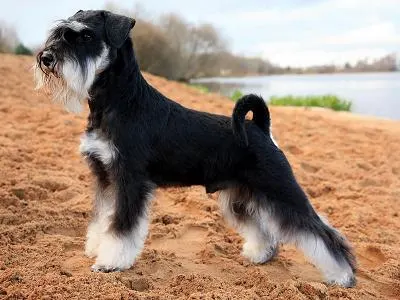
Quick Facts
| Attribute | Details |
|---|---|
| Breed Group | Terrier |
| Size | Small (11-20 lbs) |
| Height | 12-14 inches |
| Lifespan | 12-15 years |
| Temperament | Friendly, Smart, Obedient |
| Good with Kids | Excellent |
| Good with Other Dogs | Good (with socialization) |
| Shedding | Low (hypoallergenic) |
| Exercise Needs | Moderate (45-60 min daily) |
| Trainability | Excellent |
Recommended for Miniature Schnauzers
Affiliate links may earn a commission. Affiliate disclosure.
Ollie Fresh Food - Premium nutrition for small breeds | Embark DNA - Health screening for genetic conditions | Spot Insurance - Coverage for pancreatitis & more
Top Food Choices for Miniature Schnauzers
Ollie - Custom fresh food with controlled fat levels | The Farmer's Dog - Fresh, portion-controlled meals | Hill's Science Diet - Sensitive stomach formulas
Beard, eyebrows, and a strict menu
Miniature schnauzers stand about 12 to 14 inches and weigh 11 to 20 pounds. A careful one lives 12 to 15 years. They are bright, moderately exercised, and often good with children. They also bark at nothing you can hear. Training a quiet is part of apartment life. Other dogs are usually fine after a normal puppyhood.
The coat is wiry if it is stripped and soft if it is clipped. Either way it mats in the leg hair and holds food in the beard. Wipe the beard after meals. A schnauzer that smells like a kitchen is a dental or a lip-fold problem, not a charming trait.
Fat in the blood, crystals in the bladder
Hyperlipidemia is common. A creamy serum sample is a reason to change the diet, not a lab oddity. Pancreatitis follows rich food. Urinary stones are common enough that a first urinary accident in a house-trained adult deserves a urinalysis. VCA explains pancreatitis. Vomiting with a hunched back is the vomiting page and a same-day appointment.
Miniature schnauzer questions
Do miniature schnauzers get pancreatitis?
Yes, and many have high blood fats that make a fatty meal dangerous. A sudden painful belly and vomiting after table scraps is an emergency. Skip the gravy.
What stones do they form?
Calcium oxalate and others. Straining to urinate, especially a male that produces nothing, is an emergency. Blood in the urine needs a clinic, not a diet you guessed.
Is the coat really non-shedding?
Shed is low. The coat still needs clipping or hand-stripping every six to eight weeks, plus combing the furnishings. Low shed is not no groomer.
Decision Guides for Miniature Schnauzer
Use these only when comparing food, insurance, ownership budget, or beginner fit for this specific pet.