Lagotto Romagnolo
This page is educational reference material for preparing questions. A licensed veterinarian examines the animal, makes the diagnosis, and sets the treatment.
Affiliate links may earn a commission. Affiliate disclosure.
Quick Facts
| Attribute | Details |
|---|---|
| Breed Group | Sporting |
| Size | Medium (24-35 lbs) |
| Height | 16-19 inches |
| Lifespan | 15-17 years |
| Temperament | Affectionate, Keen, Undemanding, Trainable |
| Good with Kids | Excellent |
| Good with Other Dogs | Good |
| Shedding | Low (hypoallergenic coat) |
| Exercise Needs | Moderate to High (60+ minutes daily) |
| Trainability | Excellent |
Recommended for Lagotto Romagnolo
The Farmer's Dog - Fresh food for active breeds | Embark DNA - Health screening for genetic conditions | Spot Insurance - Comprehensive coverage for rare breeds
Lagotto Romagnolo Overview
The Lagotto Romagnolo is an ancient Italian breed originally developed as a water retriever in the marshlands of Romagna, Italy. When the marshes were drained in the 19th century, the breed transitioned to its current role as the world's finest truffle hunting dog. "Lagotto" comes from "Lago" (lake), reflecting its water dog heritage.
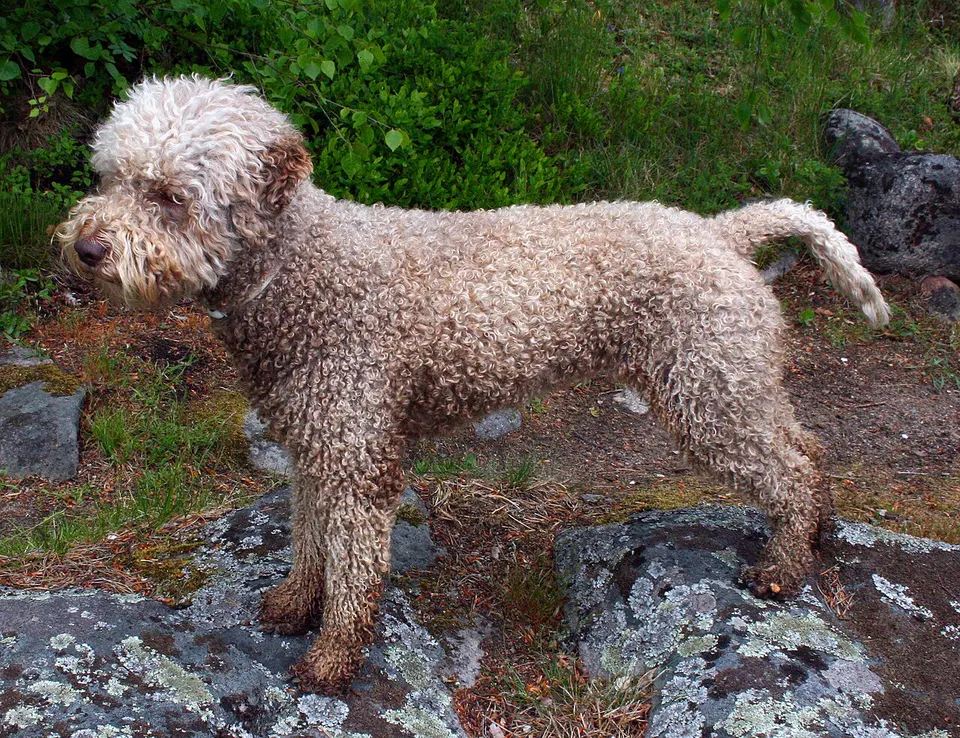
With their distinctive curly, wool-like coat and teddy bear appearance, Lagotti (plural) have gained popularity as family companions. They're known for their exceptional nose, intelligence, and affectionate nature. The breed combines working drive with a loving temperament, making them versatile companions for active families.
The Lagotto Romagnolo is a breed that commands attention not just for its physical appearance but for the depth of personality and capability it brings to a household. With a lifespan averaging 15-17 years, the decision to welcome a Lagotto Romagnolo into your family is one that will shape your daily routine, activity levels, and emotional life for well over a decade. This breed's affectionate, keen, undemanding, trainable temperament is the product of generations of selective breeding for specific traits—understanding this heritage provides valuable insight into why your Lagotto Romagnolo behaves the way it does and what it needs from you as an owner to truly thrive.
What sets successful Lagotto Romagnolo owners apart is a willingness to learn about the breed on its own terms. Rather than expecting their Lagotto Romagnolo to conform to a generic ideal, they study the animal's inherent characteristics and adjust their approach accordingly. That kind of informed, respectful ownership creates a much better outcome for both the owner and the Lagotto Romagnolo.
Owning a Lagotto Romagnolo introduces a layer of structure to your day that can feel demanding at first but often becomes a welcome rhythm. Most experienced Lagotto Romagnolo owners will tell you that the routine is not the hard part; the hard part is the first few weeks of building it. After that, it feels natural.
Temperament & Personality
The Lagotto Romagnolo has a wonderfully balanced temperament.
- Affectionate & Loving: Lagotti form strong bonds with their families and enjoy being close to their people at all times.
- Intelligent & Trainable: Bred for complex work finding truffles, they're quick learners who enjoy mental challenges.
- Moderate Energy: Active when working or playing but can settle well indoors. Not hyperactive.
- Alert but Not Aggressive: They'll alert to visitors but are generally friendly once introduced.
- Strong Work Ethic: They love having a job, whether that's truffle hunting, scent work, or other activities.
The affectionate, keen, undemanding, trainable nature of the Lagotto Romagnolo is not a simple personality label—it is a complex behavioral profile shaped by breed history, individual genetics, early socialization experiences, and ongoing environmental factors. What this means in practice is that two Lagotto Romagnolo from different lines, raised in different environments, can display meaningfully different behavioral tendencies while still sharing core breed characteristics.
Common Health Issues
Lagotto Romagnolo are generally healthy but have some breed-specific concerns.
Neurological Conditions
- Benign Familial Juvenile Epilepsy (BFJE): A hereditary condition causing seizures in puppies. Most outgrow it by 8-13 weeks. DNA test available.
- Lagotto Storage Disease (LSD): A fatal neurological disease appearing around 4 months. DNA test available - always verify parents are tested.
hip and joint issues
- Hip Dysplasia: Screen breeding dogs. Occurs at moderate rates in the breed.
- Elbow Dysplasia: Less common but should be screened in breeding stock.
Other Concerns
- Juvenile Cataracts: Can occur in young dogs. Eye exams recommended.
- Ear Infections: Curly hair in ears can trap moisture. Regular cleaning essential.
- Incorrect Coat: Some dogs develop overly soft coats prone to matting.
Health Screening Recommendation
Essential: Ask breeders for DNA tests for BFJE and LSD (Lagotto Storage Disease). These are serious genetic conditions with available tests. Also verify hip evaluations and eye exams. Consider Embark DNA testing.
Cost of Ownership
Understanding the full cost helps prepare for Lagotto ownership.
| Expense Category | Annual Cost Estimate |
|---|---|
| Food (premium quality) | $500-$900 |
| Veterinary Care (routine) | $300-$500 |
| Pet Insurance | $400-$700 |
| Grooming (professional) | $400-$800 |
| Training & Activities | $200-$500 |
| Supplies & Toys | $200-$400 |
| Total Annual Cost | $2,000-$3,800 |
Most new Lagotto Romagnolo owners are surprised by first-year costs. The good news is that subsequent years are more predictable. Just keep in mind that senior Lagotto Romagnolos may need additional care as they enter the last few years of their 15-17 years lifespan.
Exercise & Activity Requirements
- Daily Exercise: 60+ minutes of activity including walks, play, and training
- Swimming: Many Lagotti love water due to their retriever heritage
- Scent Work: Outstanding at nose work, tracking, and truffle hunting
- Fetch & Retrieval: Natural retrievers who enjoy fetch games
- Mental Stimulation: Puzzle toys and training sessions are essential
Training Tips for Lagotto Romagnolo
Lagotti are highly trainable and eager to work: A care plan fitted to this particular Lagotto Romagnolo almost always produces better behavior and better health markers.
- Start Early: Begin training and socialization as soon as you bring puppy home.
- Positive Methods: They respond wonderfully to reward-based training.
- Keep It Interesting: Lagotti are smart and can get bored with repetition.
- Harness Their Nose: Incorporate scent games into training for maximum engagement.
- Prevent Digging: Their truffle-hunting instincts may lead to digging. Provide appropriate outlets.
Nutrition & Feeding
- Quality Protein: Support their active lifestyle with good protein sources.
- Omega Fatty Acids: Important for maintaining their curly coat health.
- Moderate Calories: Adjust portions based on activity level to prevent weight gain.
- Joint Support: Consider supplements with glucosamine for joint health.
- Fresh Water: Always available, especially after exercise.
Top Food Choices for Lagotti
The Farmer's Dog - Fresh, balanced meals | Ollie - Custom fresh food plans | Hill's Science Diet - Veterinarian-recommended formulas
Grooming Requirements
The Lagotto's curly coat requires regular maintenance.
- Regular Brushing: 2-3 times weekly to prevent matting
- Professional Grooming: Every 6-8 weeks for trimming and maintenance
- Rustic Look: Coat should look natural, not sculpted. Avoid over-grooming.
- Ear Care: Regular cleaning and hair removal from ear canals to prevent infections
- Bathing: Monthly or as needed; don't over-bathe
- Nail Trimming: Every 2-3 weeks
- Dental Care: Daily brushing recommended
Lagotti Are Great For:
- Active families who enjoy outdoor activities
- People with allergies (low-shedding coat)
- Those interested in dog sports like scent work or agility
- Families with children (patient and playful)
- Owners who will provide mental stimulation
Lagotti May Not Be Ideal For:
- Those who dislike regular grooming requirements
- Sedentary households without time for exercise
- People who travel frequently without their dog
- Those wanting a guard dog (they're too friendly)
- Owners unable to provide mental challenges
Whether a Lagotto Romagnolo fits your life comes down to a few practical questions. Is your living space suitable? Can you afford both routine care and the occasional surprise vet bill over the next 15-17 years? If the honest answers line up, a Lagotto Romagnolo can be a genuinely good match.
People who live with a Lagotto Romagnolo tend to develop a deep appreciation for the breed's personality — the affectionate, keen, undemanding, trainable nature becomes part of the household's rhythm.
Related Breeds to Consider
If you're interested in Lagotto Romagnolo, you might also consider.
- Spanish Water Dog - Similar curly-coated water dog
- Portuguese Water Dog - Another curly-coated water breed
- Barbet - French water dog with similar coat
- Standard Poodle - Similar intelligence and low-shedding coat
Ask Our AI About Lagotto Romagnolo
Related Health & Care Guides
Experienced Lagotto Romagnolo owners often cite this as the factor they wish they had taken more seriously at the start.
Get Personalized AI Guidance
Ask Our AI NowDecision Guides for Lagotto Romagnolo
Use these only when comparing food, insurance, ownership budget, or beginner fit for this specific pet.
Ask the AI Now Experienced Lagotto Romagnolo owners often cite this as the factor they wish they had taken more seriously at the start.
The Lagotto Romagnolo is an Italian water dog now used to hunt truffles. The curly coat mats down to the skin when combing is skipped, and it is usually clipped on a schedule. A DNA test exists for the breed's juvenile epilepsy. Hips are also screened. The dog wants a job that uses its nose. A walk that is only a lap of the block underserves a truffle dog.