Kerry Blue Terrier
This page is educational reference material for preparing questions. A licensed veterinarian examines the animal, makes the diagnosis, and sets the treatment.
Affiliate links may earn a commission. Affiliate disclosure.
Quick Facts
| Attribute | Details |
|---|---|
| Breed Group | Terrier |
| Size | Medium (33-40 lbs) |
| Height | 17.5-19.5 inches |
| Lifespan | 12-15 years |
| Temperament | Alert, Spirited, People-Oriented |
| Good with Kids | Good (with older children) |
| Good with Other Dogs | Can be dog-aggressive |
| Shedding | Low (hypoallergenic coat) |
| Exercise Needs | Moderate to High (1 hour daily) |
| Trainability | Good (can be stubborn) |
Recommended for Kerry Blue Terriers
The Farmer's Dog - Fresh food for active terriers | Embark DNA - Health screening for genetic conditions | Spot Insurance - Coverage for breed-specific conditions
Kerry Blue Terrier Overview
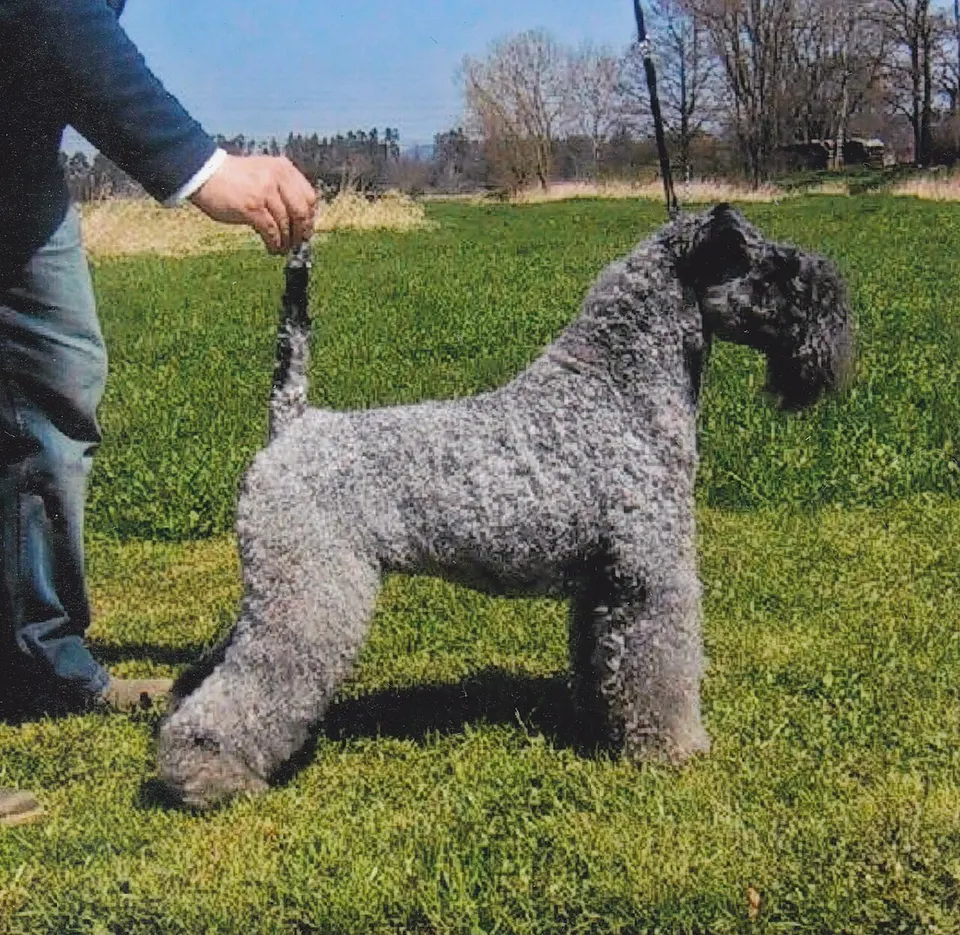
The Kerry Blue Terrier, named after County Kerry in Ireland, is a versatile working terrier known for its distinctive blue-gray coat. Originally bred as an all-purpose farm dog, the Kerry Blue excelled at herding, hunting, and guarding. Today, this breed is prized as a loyal family companion with a spirited personality.
One of the most striking features of the Kerry Blue is its coat, which puppies are born with black fur that gradually transitions to the characteristic blue-gray color by 18-24 months of age. Their soft, wavy coat is considered hypoallergenic, making them suitable for many allergy sufferers.
The Kerry Blue Terrier is a breed that commands attention not just for its physical appearance but for the depth of personality and capability it brings to a household. With a lifespan averaging 12-15 years, the decision to welcome a Kerry Blue Terrier into your family is one that will shape your daily routine, activity levels, and emotional life for well over a decade. This breed's alert, spirited, people-oriented temperament is the product of generations of selective breeding for specific traits—understanding this heritage provides valuable insight into why your Kerry Blue Terrier behaves the way it does and what it needs from you as an owner to truly thrive.
Getting to know a Kerry Blue Terrier on a deeper level means recognizing what makes this particular animal tick.
The honest way to read this guide: a Kerry Blue Terrier is less a pet you add to your life and more a routine your life reshapes around.
Temperament & Personality
Kerry Blue Terriers are known for their complex and engaging personalities.
- Loyal & Devoted: Kerry Blues form strong bonds with their families and are protective of their loved ones.
- Spirited & Playful: They maintain a playful, puppy-like demeanor well into adulthood and enjoy interactive games.
- Alert & Watchful: Excellent watchdogs, they will alert you to strangers and unusual activities.
- Strong-Willed: True to their terrier nature, they can be independent thinkers and may challenge authority.
- Dog-Selective: Kerry Blues can be aggressive toward other dogs, especially same-sex dogs. Early socialization is crucial.
The alert, spirited, people-oriented nature of the Kerry Blue Terrier is not a simple personality label—it is a complex behavioral profile shaped by breed history, individual genetics, early socialization experiences, and ongoing environmental factors. What this means in practice is that two Kerry Blue Terrier from different lines, raised in different environments, can display meaningfully different behavioral tendencies while still sharing core breed characteristics.
Your veterinarian knows your Kerry Blue Terrier best — always verify dietary choices with them, especially if your dog has existing health conditions.
Common Health Issues
Kerry Blue Terriers are generally healthy but are predisposed to certain conditions.
Neurological Conditions
- Cerebellar Abiotrophy: A progressive neurological disease affecting coordination. DNA testing available.
- Degenerative Myelopathy: Progressive spinal cord disease causing hind limb weakness.
Eye Conditions
- Cataracts: Can develop hereditary cataracts, typically appearing in middle age.
- Keratoconjunctivitis Sicca (Dry Eye): Insufficient tear production requiring ongoing treatment.
- Entropion: Inward rolling of the eyelids causing irritation.
Other Concerns
- Hip Dysplasia: Can occur in this medium-sized breed. X-ray screening recommended.
- Hypothyroidism: Underactive thyroid gland affecting metabolism.
- Skin Issues: Can develop hair follicle tumors and cysts.
Health Screening Recommendation
Before getting a Kerry Blue Terrier, ask breeders for OFA hip evaluations, eye certifications, and DNA tests for cerebellar abiotrophy. Consider Embark DNA testing to screen for genetic health conditions.
Preventive care pays off most when the same clinic sees your Kerry Blue Terrier year after year.
Genetic screening has changed how many Kerry Blue Terrier owners approach preventive health.
The middle years of a Kerry Blue Terrier's life are when subtle health shifts begin to appear — slightly slower recovery after exercise, a preference for softer resting spots, or minor changes in appetite.
Cost of Ownership
Understanding the full cost helps prepare for Kerry Blue ownership.
| Expense Category | Annual Cost Estimate |
|---|---|
| Food (premium quality) | $500-$900 |
| Veterinary Care (routine) | $300-$600 |
| Pet Insurance | $400-$700 |
| Grooming (professional) | $600-$1,200 |
| Training (first year) | $300-$800 |
| Supplies & Toys | $150-$300 |
| Total Annual Cost | $2,250-$4,500 |
Kerry Blue Terriers have a soft, wavy coat that requires professional grooming every six weeks or so to maintain the breed's signature silhouette — it doesn't shed, but it also doesn't stop growing. Their terrier stubbornness makes consistent training an investment from puppyhood, and early obedience classes pay dividends throughout their life. Factor in routine health screening for progressive neuronal abiotrophies, a heritable neurological condition in the breed, when budgeting for ownership.
Budget more aggressively for the first year. Beyond the obvious — food, vet visits, supplies — there are costs that catch people off guard: replacing items your Kerry Blue Terrier destroys during teething, emergency visits for swallowed objects, and higher food costs during rapid growth phases. After that initial period, expenses settle into a more manageable rhythm.
Owners who maintain a regular preventive care schedule for their Kerry Blue Terrier consistently report lower overall vet costs than those who wait for problems to appear. The math favors prevention every time.
Exercise & Activity Requirements
Kerry Blues are active dogs requiring regular exercise.
- Daily Exercise: 45-60 minutes of activity including walks and play sessions
- Mental Stimulation: Puzzle toys, training sessions, and interactive games
- Secure Yard: Benefits from a fenced yard for off-leash play (high prey drive)
- Dog Sports: Excel at agility, earthdog trials, and obedience competitions
- Swimming: Many Kerry Blues enjoy water activities
Training Tips for Kerry Blue Terriers
Kerry Blues are intelligent but can be strong-willed.
- Start Early: Begin socialization with other dogs and people as a puppy
- Be Firm but Fair: Consistent, positive training methods work best
- Keep it Interesting: Vary training sessions to prevent boredom
- Address Dog Aggression: Prioritize controlled introductions to other dogs
- Channel Prey Drive: Use toys and games to redirect hunting instincts
Nutrition & Feeding
Proper nutrition supports the Kerry Blue's active lifestyle.
- Protein-Rich Diet: Choose food with quality animal protein as the first ingredient
- Portion Control: 1.5-2 cups of quality food daily, divided into two meals
- Coat Health: Omega fatty acids support their distinctive coat
- Joint Support: Consider glucosamine supplements as they age
- Avoid Overfeeding: Monitor weight to prevent obesity
Top Food Choices for Kerry Blues
The Farmer's Dog - Fresh, portion-controlled meals | Ollie - Custom fresh food plans | Hill's Science Diet - Vet-recommended formulas
Diet has a compounding effect on Kerry Blue Terrier health. You will not see dramatic changes overnight, but over the course of your Kerry Blue Terrier's life, consistent good nutrition makes a measurable difference in energy, mobility, and overall well-being.
First ingredient should be a specific animal protein. The AAFCO nutritional adequacy statement confirms whether the food meets minimum standards. Calorie content per cup helps you portion correctly for your Kerry Blue Terrier's size.
Grooming Requirements
Kerry Blues require significant grooming commitment.
- Brushing: 2-3 times weekly to prevent matting
- Professional Grooming: Every 4-6 weeks for trimming and shaping
- Beard Care: Daily cleaning of facial hair to prevent staining
- Ear Cleaning: Weekly to prevent infections
- Nail Trimming: Every 2-3 weeks
Is a Kerry Blue Terrier Right for You?
Practical companions to this page — each answers one of the Kerry Blue Terrier-specific questions that comes up most often at checkups.
Kerry Blues Are Great For:
- Experienced dog owners who understand terrier temperament
- Active families with older children
- Those seeking a hypoallergenic breed
- People who enjoy grooming or can afford professional grooming
- Those wanting a loyal, protective companion
Kerry Blues May Not Be Ideal For:
- First-time dog owners
- Households with small pets (high prey drive)
- Multi-dog households without careful management
- Those who want a low-maintenance coat
- Families seeking a highly social dog-park dog
Kerry Blue puppies are born dark and lighten to blue. The coat has to be clipped on a schedule or it covers the eyes and mats into the mouth. Ask for the cerebellar abiotrophy DNA result. That neurologic disease progresses in young dogs and there is a test. A wobbling puppy needs a neurologist. Hips, kneecaps, and eyelids that irritate the cornea are the rest of the list. They have a real prey drive. The coat looks soft. The dog is still a terrier, and an untested wobble is not a growth phase.
The relationship you build with a Kerry Blue Terrier deepens over time. That is what keeps Kerry Blue Terrier owners coming back to the breed.
Related Breeds to Consider
If you're interested in Kerry Blue Terriers, you might also consider.
- Soft Coated Wheaten Terrier - Similar size, friendlier with other dogs
- Irish Terrier - Another Irish breed with similar temperament
- Welsh Terrier - Smaller, similar terrier personality
- Standard Schnauzer - Similar size and grooming needs
Ask Our AI About Kerry Blue Terriers
Households that learn this layer of Kerry Blue Terrier care early rarely find themselves making high-pressure decisions about it later. Treat published advice as a framework, then shape it around the particular Kerry Blue Terrier sitting in your home.
Related Health & Care Guides
Get Personalized AI Guidance
Ask Our AI NowDecision Guides for Kerry Blue Terrier
Use these only when comparing food, insurance, ownership budget, or beginner fit for this specific pet.