Goldendoodle
This page is educational reference material for preparing questions. A licensed veterinarian examines the animal, makes the diagnosis, and sets the treatment.
Affiliate links may earn a commission. Affiliate disclosure.
Quick Facts
| Attribute | Details |
|---|---|
| Parent Breeds | Golden Retriever + Poodle |
| Size | Standard (50-90 lbs), Medium (30-45 lbs), Mini (15-35 lbs) |
| Height | 13-24 inches (varies by size) |
| Lifespan | 10-15 years |
| Temperament | Friendly, Intelligent, Devoted |
| Good with Kids | Excellent |
| Good with Other Dogs | Excellent |
| Shedding | Low to Moderate (varies by coat type) |
| Exercise Needs | Moderate to High (45-90 min daily) |
| Trainability | Excellent |
Recommended for Goldendoodles
The Farmer's Dog - Fresh food for active dogs | Embark DNA - Health screening for mixed breeds | Spot Insurance - Coverage for hereditary conditions
Top Food Choices for Goldendoodles
The Farmer's Dog - Fresh, portion-controlled meals | Ollie - Custom fresh food for your dog's needs | Hill's Science Diet - Vet-recommended formulas
A cross, with both medical files
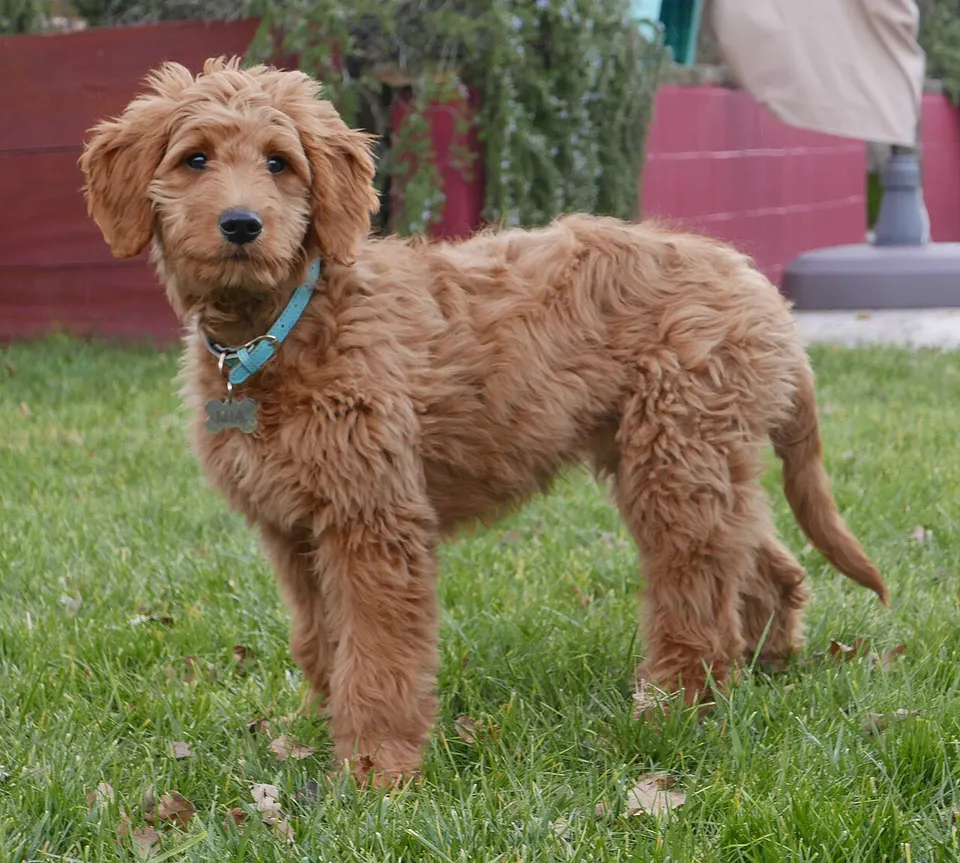
A Goldendoodle is a Golden Retriever crossed with a Poodle, then sometimes crossed again. There is no single size, coat, or temperament hiding behind the name. Standards can reach 50 to 90 pounds. Minis may be 15 to 35. Height on the stats table spans 13 to 24 inches. Lifespan is listed as 10 to 15 years, which depends on which parent's problems the puppy inherited. They are often friendly and trainable. That is the Golden and the Poodle showing up. It is not a guarantee that this litter was health-tested.
Shedding runs from low to moderate. "Hypoallergenic" is a sales word. People who need a low-shed dog should look at the adult coat of close relatives and still assume allergies can react to the dog. Exercise is moderate to high, about 45 to 90 minutes, closer to the high end in a dog that landed on the sporting-dog side of the cross.
What to demand before the deposit
Both parents should have hip and elbow evaluations and current eye exams. Progressive retinal atrophy is testable. Addison's disease, which starves the dog of stress hormones and can crash them, is a Poodle-family problem you cannot swab away; ask what died suddenly. Golden lines add subvalvular aortic stenosis and a skin disease called ichthyosis in some families. Ears on a floppy, hairy dog infect easily. Bloat is possible in the larger chests. Sebaceous adenitis, an inflammatory skin disease of Poodles, is worth a question.
Puppies are often $2,000 to $4,000 or more. A routine year runs about $2,200 to $5,200. Merck describes Addison's disease and progressive retinal atrophy without the doodle marketing. Vomiting with weakness, or a dog that collapses, uses the checker. Itchy skin uses the itching page.
Goldendoodle questions
Do Goldendoodles shed or cause allergies?
Some do, some do not. Coat type is not a promise from a generation label. Saliva and dander bother allergic people even when hair sheds less. Meet the parents and spend time with a dog of the coat you are buying.
What health tests should both parents have?
Hips, elbows, and eyes, plus the Poodle and Golden problems: progressive retinal atrophy, and a real discussion of Addison's disease, heart exams, and skin disease. A puppy price is not a health certificate.
How big will a Goldendoodle get?
Standard dogs on this profile run about 50 to 90 pounds, medium about 30 to 45, mini about 15 to 35. Litters vary. Ask for the adult size of the parents you can actually see, not a chart.
Decision Guides for Goldendoodle
Use these only when comparing food, insurance, ownership budget, or beginner fit for this specific pet.