English Foxhound
This page is educational reference material for preparing questions. A licensed veterinarian examines the animal, makes the diagnosis, and sets the treatment.
Affiliate links may earn a commission. Affiliate disclosure.
Quick Facts
| Attribute | Details |
|---|---|
| Breed Group | Hound |
| Size | Large (60-75 lbs) |
| Height | 23-27 inches |
| Lifespan | 10-13 years |
| Temperament | Friendly, Active, Pack-oriented |
| Good with Kids | Excellent |
| Good with Other Dogs | Excellent (pack breed) |
| Shedding | Moderate |
| Exercise Needs | Very High (2+ hours daily) |
| Trainability | Moderate (independent thinker) |
Recommended for English Foxhounds
The Farmer's Dog - Fresh food for active hounds | Embark DNA - Health and genetic screening | Spot Insurance - Coverage for active breeds
English Foxhound Overview
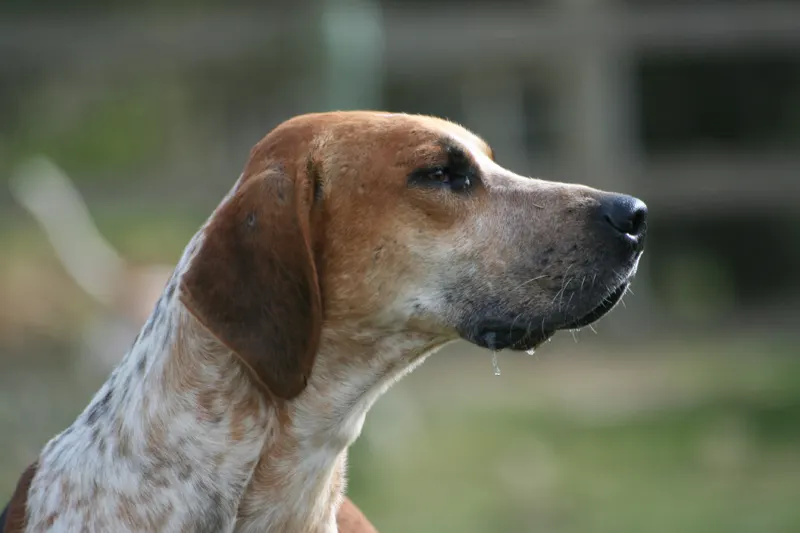
The English Foxhound is one of the rarest breeds in America, despite being the foundation for many American hound breeds. Developed in England during the 16th century for fox hunting, these athletic hounds were bred to run for hours with horses and huntsmen while tracking foxes by scent.
With their classic hound appearance - tricolor or bicolor coats, long ears, and muscular build - English Foxhounds embody the quintessential hunting hound. Bred to work in packs, they are exceptionally sociable with other dogs and people, making them wonderful family companions for those who can meet their substantial exercise needs.
The English Foxhound is a breed that commands attention not just for its physical appearance but for the depth of personality and capability it brings to a household. With a lifespan averaging 10-13 years, the decision to welcome an English Foxhound into your family is one that will shape your daily routine, activity levels, and emotional life for well over a decade. This breed's friendly, active, pack-oriented temperament is the product of generations of selective breeding for specific traits—understanding this heritage provides valuable insight into why your English Foxhound behaves the way it does and what it needs from you as an owner to truly thrive.
Caring well for an English Foxhound requires more than meeting their basic physical needs. Owners who approach English Foxhound care with this depth of knowledge create an environment where the animal can genuinely flourish.
Sharing your space with an English Foxhound means making room — literally and figuratively — for their specific needs. Owners who recognize this early and plan for it tend to have a much smoother experience than those who expect the English Foxhound to simply fit into their existing routine unchanged.
Temperament & Personality
English Foxhounds are friendly, social dogs with a strong pack mentality.
- Friendly & Sociable: They love everyone and are excellent with strangers, children, and other pets.
- Pack-Oriented: Bred to work in packs, they do best with canine or human companionship - not suited to being alone.
- Active & Energetic: They have exceptional stamina and need significant daily exercise.
- Independent: As scent hounds, they can be single-minded when following a trail.
- Vocal: They have a melodious "bay" and will use it, especially when bored or excited.
- Strong Prey Drive: Will chase small animals and follow scent trails.
The friendly, active, pack-oriented nature of the English Foxhound is not a simple personality label—it is a complex behavioral profile shaped by breed history, individual genetics, early socialization experiences, and ongoing environmental factors. What this means in practice is that two English Foxhound from different lines, raised in different environments, can display meaningfully different behavioral tendencies while still sharing core breed characteristics.
Your veterinarian knows your English Foxhound best — always verify dietary choices with them, especially if your dog has existing health conditions.
Common Health Issues
English Foxhounds are generally robust and healthy.
Potential Health Concerns
- Hip Dysplasia: Can occur in larger dogs; breeders should test.
- Ear Infections: Long, floppy ears trap moisture and require regular cleaning.
- Epilepsy: Seizure disorders have been reported in some lines.
- Renal Disease: Kidney issues can occur; regular screening recommended.
Less Common Issues
- Thrombocytopathy: A platelet disorder that can affect bleeding; testing available.
- Hypothyroidism: Underactive thyroid can cause weight gain and lethargy.
- Eye Problems: Some eye conditions reported.
Health Screening Recommendation
Request hip evaluations and ask about seizure and kidney disease history in breeding lines. Consider Embark DNA testing for comprehensive health screening.
Keeping your English Foxhound healthy over the long haul requires attention to details that are easy to overlook.
If you are curious about your English Foxhound's inherited health profile, genetic testing can provide valuable context.
As your English Foxhound ages, their care needs will shift in ways that are easier to manage when anticipated.
Cost of Ownership
English Foxhounds have moderate ownership costs.
| Expense Category | Annual Cost Estimate |
|---|---|
| Food (premium quality) | $600-$1,000 |
| Veterinary Care (routine) | $300-$500 |
| Pet Insurance | $350-$600 |
| Grooming | $100-$200 |
| Training (first year) | $200-$600 |
| Supplies & Toys | $150-$300 |
| Total Annual Cost | $1,700-$3,200 |
English Foxhounds are pack-bred working dogs that need substantial daily exercise — without it, boredom leads to destructive behavior that carries its own costs. Their short, dense coat is easy to maintain, which keeps grooming expenses minimal, but their size means food costs are considerable. Because they are rarely kept as pets, finding a vet or trainer familiar with the breed's specific temperament takes extra effort.
Exercise & Activity Requirements
English Foxhounds need substantial daily exercise: English Foxhound-aware routines catch issues earlier, respond faster, and prevent more than generic ones.
- Daily Exercise: 2+ hours of vigorous activity - this is a minimum, not a maximum
- Running: They are built for endurance and excel as running partners
- Secure Fencing: High fences required - they will follow scent trails over or under barriers
- Canine Sports: Tracking, rally, and agility provide mental and physical stimulation
- Pack Activities: They love group activities with other dogs
- Never Off-Leash: Their strong scent drive makes recall unreliable
Training Tips for English Foxhounds
English Foxhounds are intelligent but require patience.
- Start Early: Begin training and socialization as a puppy
- Positive Reinforcement: Use food rewards - they are often food-motivated
- Consistency: Be patient and consistent - they can be stubborn
- Scent Work: Channel their natural abilities into productive activities
- Recall Training: Important but may never be reliable when scent is present
- Pack Leadership: Be a calm, consistent leader they can respect
Nutrition & Feeding
English Foxhounds need quality nutrition to fuel their activity: The English Foxhound's behaviour usually tells you within a few weeks whether the routine fits — adjust the routine before trying to adjust the animal.
- High-Quality Protein: Essential for maintaining muscle mass and energy
- Monitor Weight: Active dogs need adequate calories; adjust based on activity level
- Two Meals Daily: Split feedings help maintain energy levels
- Fresh Water: Always available, especially during and after exercise
- Avoid Overfeeding: Despite their activity, they can gain weight if overfed
Top Food Choices for English Foxhounds
The Farmer's Dog - Fresh, portion-controlled meals | Ollie - Custom fresh food for active hounds | Hill's Science Diet - Active breed formulas
Grooming Requirements
English Foxhounds have minimal grooming needs: The habits that keep an English Foxhound healthy long-term almost always start with an owner willing to learn.
- Brushing: Weekly brushing with a hound glove or soft brush
- Bathing: As needed - they have a natural "houndy" odor
- Ear Cleaning: Weekly - essential due to their long, floppy ears
- Nail Trimming: Every 2-3 weeks
- Dental Care: Daily brushing recommended
Is an English Foxhound Right for You?
Think of this as the knowledge layer that most English Foxhound owners skip and later wish they had started with. Treat published advice as a framework, then shape it around the particular English Foxhound sitting in your home.
English Foxhounds Are Great For:
- Active families with time for extensive daily exercise
- Homes with other dogs - they thrive with canine companions
- Rural or suburban settings with secure, large yards
- Runners and hikers wanting an endurance partner
- Those who enjoy the classic hound personality
English Foxhounds May Not Be Ideal For:
- Apartment dwellers or those with small yards
- Sedentary owners who cannot provide adequate exercise
- Homes where the dog will be alone for long periods
- Those sensitive to barking (they are vocal)
- People wanting a dog with reliable off-leash recall
- Homes with small pets like rabbits or cats
If your research has confirmed that you can realistically meet an English Foxhound's needs, the next move is finding a healthy, well-adjusted individual from a responsible breeder or a breed-specific rescue. A well-chosen English Foxhound from a reliable source sets the stage for a much smoother experience from day one.
The relationship you build with an English Foxhound deepens over time. That is what keeps English Foxhound owners coming back to the breed.
Related Breeds to Consider
If you're interested in English Foxhounds, you might also consider.
- American Foxhound - Slightly lighter, similar temperament
- Harrier - Smaller version with similar traits
- Beagle - Smaller scent hound, more adaptable to smaller spaces
- Treeing Walker Coonhound - Related American breed
Ask Our AI About English Foxhounds
English Foxhound-aware routines catch issues earlier, respond faster, and prevent more than generic ones.
Related Health & Care Guides
Get Personalized AI Guidance
Ask Our AI NowDecision Guides for English Foxhound
Use these only when comparing food, insurance, ownership budget, or beginner fit for this specific pet.