Coton De Tulear
This page is educational reference material for preparing questions. A licensed veterinarian examines the animal, makes the diagnosis, and sets the treatment.
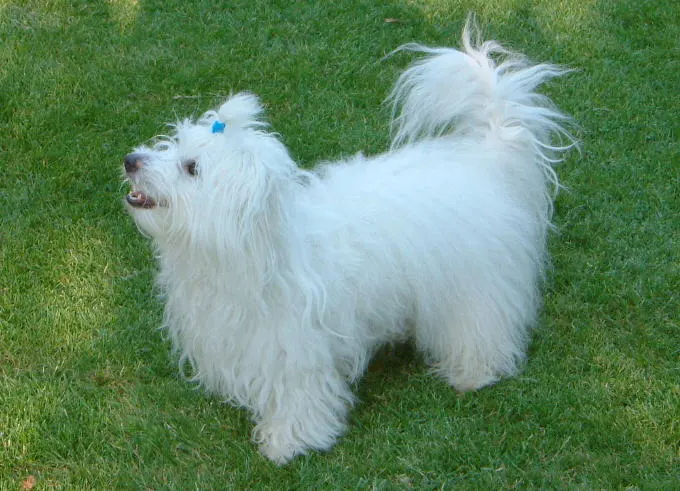
Affiliate links may earn a commission. Affiliate disclosure.
Quick Facts
| Attribute | Details |
|---|---|
| Breed Group | Non-Sporting |
| Size | Small (8-15 lbs) |
| Height | 9-11 in |
| Lifespan | 15-19 years |
| Temperament | Charming, Bright, Happy |
| Good with Kids | Excellent |
| Shedding | Low |
| Exercise Needs | Moderate |
| Grooming Needs | High |
Recommended for Coton de Tulears
The Farmer's Dog - Fresh meals tailored to breed size | Embark DNA - Screen for breed-specific conditions | Spot Insurance - Coverage for Coton de Tulear health issues
Coton de Tulear Overview
The Coton de Tulear is a small non-sporting breed known for being charming, bright, happy. Weighing 8-15 lbs and standing 9-11 in tall, this breed combines an appealing appearance with a wonderful temperament that has made it a favorite among dog enthusiasts worldwide. With a lifespan of 15-19 years, the Coton de Tulear offers years of loyal companionship.
Originally developed for a variety of purposes, the Coton de Tulear has evolved into an excellent family companion while retaining many of its original instincts and abilities.
Coton de Tulears are exceptional family dogs that get along wonderfully with children of all ages. Their charming nature makes them adaptable to various living situations including apartments with adequate exercise.
The Coton de Tulear is a breed that commands attention not just for its physical appearance but for the depth of personality and capability it brings to a household. With a lifespan averaging 15-19 years, the decision to welcome a Coton de Tulear into your family is one that will shape your daily routine, activity levels, and emotional life for well over a decade. This breed's charming, bright, happy temperament is the product of generations of selective breeding for specific traits—understanding this heritage provides valuable insight into why your Coton de Tulear behaves the way it does and what it needs from you as an owner to truly thrive.
The difference between a good Coton De Tulear owner and a great one comes down to understanding what this particular animal actually needs, rather than projecting assumptions based on appearance or general expectations. Every Coton De Tulear has traits rooted in its background that influence behavior, health, and daily care requirements.
Welcoming a Coton De Tulear into your home is less about adding a pet and more about adopting a new set of daily responsibilities.
Temperament & Personality
Coton de Tulears have a distinctive personality that endears them to their owners.
- Charming: This defining trait makes the Coton de Tulear a standout companion that bonds deeply with their family.
- Happy: Coton de Tulears show remarkable happy in various situations and environments.
- Alert: Coton de Tulears are naturally watchful and will alert their families to unusual activity.
- Social: Coton de Tulears are typically friendly with strangers and other dogs.
The charming, bright, happy nature of the Coton de Tulear is not a simple personality label—it is a complex behavioral profile shaped by breed history, individual genetics, early socialization experiences, and ongoing environmental factors. What this means in practice is that two Coton de Tulear from different lines, raised in different environments, can display meaningfully different behavioral tendencies while still sharing core breed characteristics.
Social behavior in Coton de Tulear develops through distinct life stages, and each stage presents opportunities and challenges for owners. Coton de Tulear that are well-socialized as puppies but then isolated can experience social regression, while dogs with less-than-ideal early socialization can improve significantly with patient, positive exposure later in life. The key is consistency and quality of experiences rather than sheer quantity.
Managing the Coton de Tulear's energy and drive within a household context requires strategic thinking rather than just exercise. Coton de Tulear that receive adequate physical exercise but insufficient mental engagement often develop nuisance behaviors such as excessive barking, destructive chewing, or repetitive behaviors. Effective mental stimulation for Coton de Tulear includes structured training sessions, puzzle toys, scent work, novel environment exploration, and activities that engage their breed-specific instincts in appropriate ways. Many experienced Coton de Tulear owners report that 15 minutes of focused mental exercise produces more behavioral satisfaction than an hour of repetitive physical activity.
Common Health Issues
Coton de Tulears are generally healthy dogs, but like all breeds, they can be prone to certain conditions.
skeletal and joint concerns
- Hip Dysplasia: A common concern in small breeds. Regular screening and maintaining healthy weight helps manage this condition.
- Eye Conditions: Can affect Coton de Tulears, particularly as they age. Early detection through regular vet visits is important.
eye conditions, skin allergies, and age-related joint deterioration
- Allergies: Coton de Tulear owners should be aware of this condition and discuss prevention strategies with their veterinarian.
- Dental issues: A breed-relevant concern that responsible breeders screen for.
Health Screening Recommendation
Consider Embark DNA testing to screen for breed-specific genetic conditions in your Coton de Tulear.
Preventive care for a Coton De Tulear is not just about annual exams — it is a mindset. That partnership between attentive ownership and professional guidance is what keeps most Coton De Tulears in good shape throughout their lives.
Understanding your Coton De Tulear's genetic makeup can guide decisions about everything from exercise intensity to supplement choices. It is one of the more practical tools available for anyone committed to keeping their Coton De Tulear in the best possible shape.
Planning for your Coton De Tulear's senior phase begins well before the grey appears. Coton De Tulears that receive thoughtful, consistent care through this transition tend to maintain vitality and comfort far longer than those whose care remains static.
Cost of Ownership
Understanding the full cost of Coton de Tulear ownership helps you prepare financially.
| Expense Category | Annual Cost Estimate |
|---|---|
| Food (premium quality) | $300-$600 |
| Veterinary Care (routine) | $300-$600 |
| Pet Insurance | $300-$600 |
| Grooming | $300-$600 |
| Training (first year) | $200-$500 |
| Supplies & Toys | $150-$300 |
| Total Annual Cost | $1,350-$4,000 |
Save on Coton de Tulear Care
Chewy Autoship - 35% off first Autoship order, then 5% off repeat orders | Lemonade Pet - Accident & illness plans; prices vary by pet and state | K9 Training Institute - Expert Coton de Tulear training
This is a reasonable default, the final plan for a Coton De Tulear should come from a veterinarian with the full chart in front of them.
Year one hits the wallet hardest. Once those one-time costs are behind you, annual spending drops — though it tends to creep back up as your Coton de Tulear ages and needs more frequent veterinary attention in the later years.
Preventive care is not glamorous, but it is the single best investment you can make in your Coton de Tulear's health. Routine wellness exams catch problems early, when treatment is simpler and cheaper. Most veterinary professionals agree that consistent preventive care extends both the length and quality of a Coton de Tulear's life.
Exercise & Activity Requirements
Coton de Tulears have moderate exercise needs.
- Daily Exercise: 45-60 minutes of daily walks and play sessions.
- Activities: Enjoys walks, fetch, agility, and interactive play.
- Socialization: Regular interaction with other dogs and people keeps your Coton de Tulear well-adjusted.
Training Tips for Coton de Tulears
Training a Coton de Tulear is generally enjoyable thanks to their willing nature.
- Positive Reinforcement: Use treats, praise, and play as rewards for desired behaviors.
- Consistency: Establish clear rules and maintain them across all family members.
- Early Socialization: Expose your Coton de Tulear to various people, animals, sounds, and environments from puppyhood.
- Short Sessions: Keep training sessions to 10-15 minutes for maximum effectiveness.
- Patience: While eager to please, every dog learns at their own pace.
- Professional Help: Consider professional training classes, especially for first-time Coton de Tulear owners.
Nutrition & Feeding
Proper nutrition is essential for your Coton de Tulear's health.
- Meal Schedule: Two measured meals daily for adults; three meals for puppies.
- Fresh Water: Always provide access to clean, fresh water.
- Treats: Keep treats to 10% or less of daily caloric intake.
Top Food Choices for Coton de Tulears
The Farmer's Dog - Pre-portioned fresh meals | Ollie - Custom meals for small breeds | Hill's Science Diet - Vet-recommended nutrition
Diet has a compounding effect on Coton de Tulear health. You will not see dramatic changes overnight, but over the course of your Coton de Tulear's life, consistent good nutrition makes a measurable difference in energy, mobility, and overall well-being.
Marketing claims on pet food packaging can be misleading. What actually matters for your Coton De Tulear is whether the food delivers balanced protein, fat, and micronutrients suited to their specific needs. Instead of chasing trendy ingredients, let your Coton De Tulear's physical condition — their coat, energy, weight, and digestive health — guide your choices.
Grooming Requirements
Coton de Tulears have high grooming needs.
- Bathing: Every 3-4 weeks or as needed.
- Nail Trimming: Every 2-3 weeks to prevent overgrowth.
- Dental Care: Brush teeth several times weekly to prevent dental disease.
- Ear Cleaning: Check and clean ears weekly, especially if ears are floppy.
- Shedding: Minimal shedding, making them a better choice for allergy sufferers.
Is a Coton de Tulear Right for You?
Coton de Tulears Are Great For:
- Families with children of all ages
- Owners who can provide moderate daily exercise
- Both first-time and experienced dog owners
- Those looking for a charming and devoted companion
- People who can commit to regular grooming maintenance
Coton de Tulears May Not Be Ideal For:
- Owners unable to provide adequate exercise despite small size
- Those expecting a completely inactive companion
- Owners who want zero grooming requirements
- People who leave their dogs alone for extended periods
Ask Our AI About Coton de Tulears
Have specific questions about Coton de Tulear health, training, or care? Our AI assistant can provide personalized guidance.
Get Personalized AI Guidance
Ask Our AI NowA Coton de Tulear is not for everyone, and that is perfectly fine. What matters is making the choice based on realistic expectations rather than idealized breed descriptions. Spend time around actual Coton de Tulear dogs before committing. Visit rescues, attend meet-ups, or ask a friend who owns one if you can dog-sit for a weekend. That firsthand experience is worth more than a hundred online guides.
Look past the schedule of grooming, vet care, and training and Coton de Tulear ownership is really about a relationship with a dog that ends up knowing its people well. Most Coton de Tulear owners will tell you that dynamic — more than the mechanics — is why the arrangement works.
Buying Guides for Coton de Tulear
The Coton de Tulear is a small companion from Madagascar. The white coat is cottony and mats against the skin if it is clipped and then ignored. Patellar luxation and progressive retinal atrophy are the conditions to ask about before you buy a puppy. The dog wants to be in the room with people and does poorly as a kennel animal left alone all day.