Chinese Crested
This page is educational reference material for preparing questions. A licensed veterinarian examines the animal, makes the diagnosis, and sets the treatment.
Affiliate links may earn a commission. Affiliate disclosure.
Quick Facts
| Attribute | Details |
|---|---|
| Breed Group | Toy |
| Size | Toy (8-12 lbs) |
| Height | 11-13 inches |
| Lifespan | 13-18 years |
| Temperament | Affectionate, Playful, Alert |
| Good with Kids | Good (gentle children) |
| Good with Other Dogs | Good |
| Shedding | Very Low (Hairless) or Low (Powderpuff) |
| Exercise Needs | Low to Moderate (20-30 minutes daily) |
| Trainability | Good (eager to please) |
Recommended for Chinese Cresteds
The Farmer's Dog - Fresh food for toy breeds | Embark DNA - Health screening for genetic conditions | Spot Insurance - Coverage for breed-specific conditions
Chinese Crested Overview
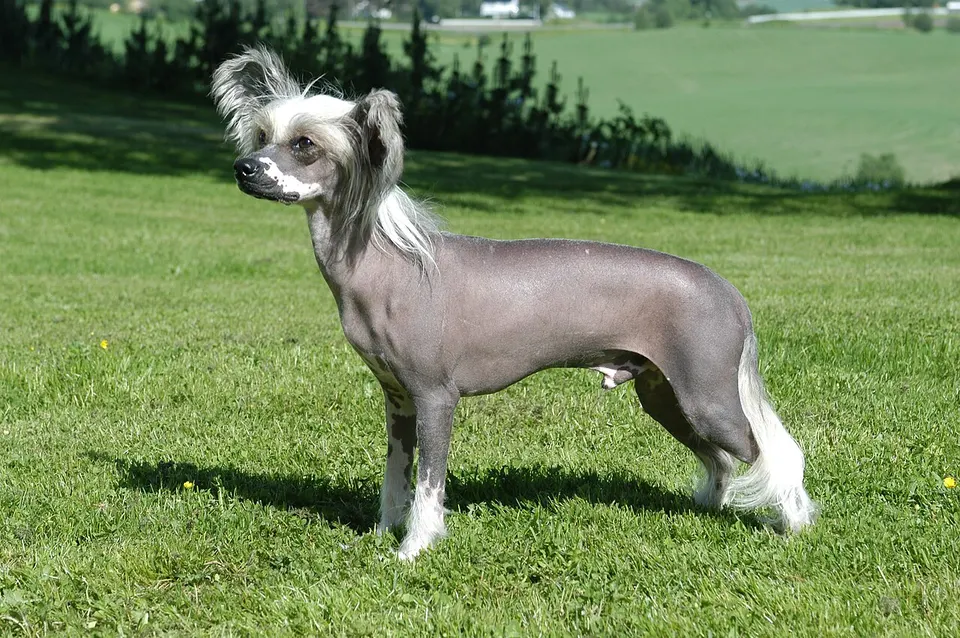
The Chinese Crested is one of the most distinctive toy breeds, coming in two varieties: the Hairless, with silky hair only on the head (crest), tail (plume), and feet (socks), and the Powderpuff, covered entirely with a soft, flowing double coat. Despite the name, the breed likely originated in Africa or Mexico before being refined in China.
Chinese Cresteds were valued aboard Chinese trading ships for their ratting abilities and eventually became prized companions worldwide. Today, they're known as loving, devoted companions who form intense bonds with their owners. Their unique appearance and affectionate nature have earned them a devoted following.
The Chinese Crested is a breed that commands attention not just for its physical appearance but for the depth of personality and capability it brings to a household. With a lifespan averaging 13-18 years, the decision to welcome a Chinese Crested into your family is one that will shape your daily routine, activity levels, and emotional life for well over a decade. This breed's affectionate, playful, alert temperament is the product of generations of selective breeding for specific traits—understanding this heritage provides valuable insight into why your Chinese Crested behaves the way it does and what it needs from you as an owner to truly thrive.
Exceptional Chinese Crested care starts with understanding, not just affection. Knowing why your Chinese Crested behaves the way it does — what instincts drive its daily patterns, what environments suit it best, what stressors to avoid — makes every care decision more effective.
Sharing your space with a Chinese Crested means making room — literally and figuratively — for their specific needs. Owners who recognize this early and plan for it tend to have a much smoother experience than those who expect the Chinese Crested to simply fit into their existing routine unchanged.
Temperament & Personality
Chinese Cresteds are known for their loving, playful nature.
- Devoted & Velcro-like: Form extremely strong bonds and want to be with their people always.
- Playful & Entertaining: Known for their silly antics and love of play.
- Sensitive & Intuitive: Very attuned to their owner's emotions.
- Alert but Not Yappy: Good watchdogs without excessive barking.
- Can Be Shy: Need early socialization to build confidence with strangers.
The affectionate, playful, alert nature of the Chinese Crested is not a simple personality label—it is a complex behavioral profile shaped by breed history, individual genetics, early socialization experiences, and ongoing environmental factors. What this means in practice is that two Chinese Crested from different lines, raised in different environments, can display meaningfully different behavioral tendencies while still sharing core breed characteristics.
Articles can describe the shape of a good Chinese Crested diet; only a veterinarian can tune it to the animal at home.
Common Health Issues
Chinese Cresteds can be prone to certain health conditions.
Dental Issues (Hairless variety)
- Missing Teeth: Hairless gene is linked to missing and abnormal teeth.
- Dental Disease: Teeth that are present may be prone to decay.
- Early Tooth Loss: May lose teeth earlier than other breeds.
Skin Issues (Hairless variety)
- Sunburn: Exposed skin needs protection from UV rays.
- Acne & Blackheads: Skin can develop comedones.
- Allergies: Skin sensitivities and allergic reactions.
- Cold Sensitivity: No coat means they get cold easily.
Other Conditions
- Patellar Luxation: Kneecap displacement common in toy breeds.
- Legg-Calve-Perthes Disease: Hip joint deterioration.
- Progressive Retinal Atrophy: Genetic eye disease causing vision loss.
- Keratoconjunctivitis Sicca: Dry eye condition.
Health Screening Recommendation
Before getting a Chinese Crested, ask breeders for eye certifications, patella evaluations, and cardiac exams. Consider Embark DNA testing to screen for genetic health conditions including PRA.
Good health outcomes for a Chinese Crested depend less on reacting to problems and more on preventing them from gaining a foothold.
Cost of Ownership
Understanding the full cost helps prepare for Chinese Crested ownership.
| Expense Category | Annual Cost Estimate |
|---|---|
| Food (premium quality) | $200-$400 |
| Veterinary Care (routine) | $300-$600 |
| Pet Insurance | $300-$550 |
| Skin Care/Grooming | $200-$500 |
| Training (first year) | $150-$400 |
| Supplies (clothing, sunscreen) | $150-$350 |
| Total Annual Cost | $1,300-$2,800 |
One of the more practical financial habits for Chinese Crested ownership is maintaining a small emergency reserve.
Exercise & Activity Requirements
Chinese Cresteds have moderate exercise needs.
- Daily Exercise: 20-30 minutes of walks and play
- Indoor Play: Happy to play inside with toys
- Weather Protection: Need sunscreen in sun, clothing in cold
- Dog Sports: Can excel at agility and lure coursing
- Mental Stimulation: Enjoy puzzle toys and training games
Training Tips for Chinese Cresteds
Chinese Cresteds are intelligent and eager to please.
- Positive Methods: Very sensitive to tone; harsh methods backfire
- Early Socialization: Critical for preventing shyness
- Consistency: Clear, kind expectations
- Housetraining: Can be challenging; crate training helps
- Trick Training: Love learning tricks and showing off
Nutrition & Feeding
Proper nutrition supports the Chinese Crested's health.
- Toy Breed Formula: Small kibble size for small mouths
- Portion Control: 1/4 to 1/2 cup daily, divided into two meals
- Soft Food Option: Hairless variety may need softer foods due to dental issues
- Skin Health: Omega fatty acids support skin health
- Weight Management: Maintain lean body weight
Top Food Choices for Chinese Cresteds
The Farmer's Dog - Fresh, soft meals ideal for dental issues | Ollie - Custom fresh food plans | Hill's Science Diet - Skin & coat formulas
Grooming Requirements
Grooming differs by variety.
Hairless Variety
- Skin Care: Regular bathing, moisturizing, and sunscreen application
- Acne Treatment: May need products to prevent blackheads
- Crest/Plume/Socks: Regular brushing of haired areas
- Protection: Clothing for sun and cold
Powderpuff Variety
- Brushing: Daily brushing to prevent matting
- Bathing: Every 1-2 weeks
- Trimming: Regular trimming to maintain appearance
Is a Chinese Crested Right for You?
Chinese Cresteds Are Great For:
- Those seeking a devoted, affectionate companion
- Allergy sufferers (Hairless variety sheds minimally)
- Apartment dwellers
- People who enjoy grooming/skin care routines
- Those home frequently (they hate being alone)
Chinese Cresteds May Not Be Ideal For:
- Families with rough-playing young children
- Those who work long hours away from home
- Very hot or very cold climates without protection
- People who want a low-maintenance dog
- Those seeking a rugged, outdoor companion
A Chinese Crested is often hairless on the body, with a coat on the head, tail, and feet. Bare skin burns in sun and chills in air conditioning, and it needs washing, not shaving. Dental disease is severe because the hairless variety often has missing or crowded teeth. Patellar luxation is the knee problem to watch when a small dog skips.
The relationship you build with a Chinese Crested deepens over time. That is what keeps Chinese Crested owners coming back to the breed.
Related Breeds to Consider
If you're interested in Chinese Cresteds, you might also consider.
- Italian Greyhound - Similar sensitivity and devotion
- Papillon - Similar size, more coat
- Toy Poodle - Low-shedding, intelligent companion
- Maltese - Similar devotion, different coat type
Ask Our AI About Chinese Cresteds
Chinese Crested-aware routines catch issues earlier, respond faster, and prevent more than generic ones.
Related Health & Care Guides
Get Personalized AI Guidance
Ask Our AI NowDecision Guides for Chinese Crested
Use these only when comparing food, insurance, ownership budget, or beginner fit for this specific pet.
Chinese Crested litters can include hairless puppies and powderpuff puppies with a full coat. Hairless dogs sunburn and often have missing or crowded teeth, so dental care and shade are routine. Powderpuffs need the coat combed to the skin. Both varieties are the same breed. A sweater in winter helps a hairless dog that has no undercoat.