Cairn Terrier
This page is educational reference material for preparing questions. A licensed veterinarian examines the animal, makes the diagnosis, and sets the treatment.
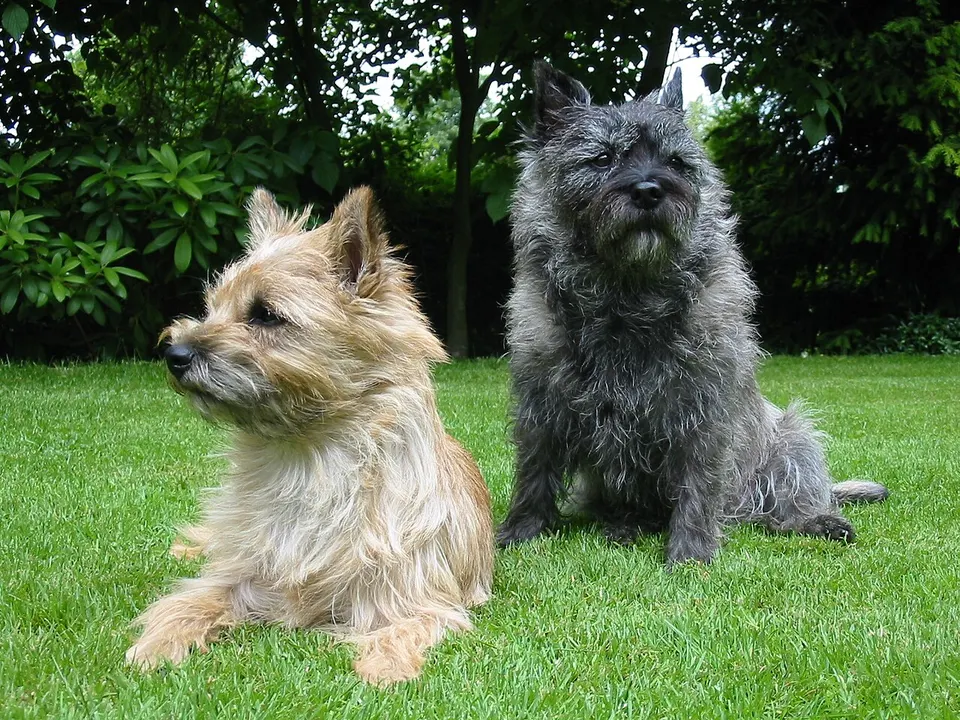
Quick Facts
| Attribute | Details |
|---|---|
| Breed Group | Terrier |
| Size | Small (13-14 lbs) |
| Height | 9-10 inches |
| Lifespan | 13-15 years |
| Temperament | Alert, Busy, Cheerful |
| Good with Kids | Good |
| Good with Other Dogs | Good (with socialization) |
| Shedding | Low |
| Exercise Needs | Moderate (30-45 min daily) |
| Trainability | Good (terrier stubbornness) |
Recommended for Cairn Terriers
Affiliate links may earn a commission. Affiliate disclosure.
The Farmer's Dog - Fresh food for small breeds | Embark DNA - Health screening for genetic conditions | Spot Insurance - Coverage for breed-specific conditions
Cairn Terrier Overview
The Cairn Terrier is one of Scotland's oldest working terrier breeds, developed to hunt vermin among the cairns (stone piles used as landmarks and memorials) of the Scottish Highlands. Their compact size and fearless nature made them perfect for rooting out foxes, badgers, and other pests from rocky dens.
Made famous by Toto in "The Wizard of Oz," Cairn Terriers are spunky, hardy little dogs with big personalities. They retain their working terrier instincts and are known for their alert, curious nature and cheerful disposition. Despite their small size, they are sturdy dogs built for outdoor adventure.
The Cairn Terrier is a breed that commands attention not just for its physical appearance but for the depth of personality and capability it brings to a household. With a lifespan averaging 13-15 years, the decision to welcome a Cairn Terrier into your family is one that will shape your daily routine, activity levels, and emotional life for well over a decade. This breed's alert, busy, cheerful temperament is the product of generations of selective breeding for specific traits—understanding this heritage provides valuable insight into why your Cairn Terrier behaves the way it does and what it needs from you as an owner to truly thrive.
Do not treat ads for a cairn terrier as a health clearance. A Cairn Terrier digs, barks, and hunts. Globoid cell leukodystrophy, or Krabbe disease, is a DNA test in this breed. Ask for it. Allergies and loose kneecaps are the everyday costs. They are not a quiet lap terrier. A puppy from untested parents is not a bargain if the neurologic test was skipped.
Use the defaults here as a scaffold and let your veterinary team replace the placeholder values with ones calibrated to your pet's specific health profile.
Temperament & Personality
Cairn Terriers have a lively, spirited personality.
- Alert & Curious: Always aware of their surroundings; natural watchdogs.
- Cheerful & Busy: Happy, active dogs who like to stay busy.
- Independent: Typical terrier independence; can make their own decisions.
- Loyal & Affectionate: Devoted to their families while maintaining their spirited nature.
- Feisty: Won't back down from challenges; larger-than-life attitude.
The alert, busy, cheerful nature of the Cairn Terrier is not a simple personality label—it is a complex behavioral profile shaped by breed history, individual genetics, early socialization experiences, and ongoing environmental factors. What this means in practice is that two Cairn Terrier from different lines, raised in different environments, can display meaningfully different behavioral tendencies while still sharing core breed characteristics.
Common Health Issues
Cairn Terriers are generally healthy but have some breed concerns.
hip and joint issues
- Legg-Calve-Perthes Disease: Hip joint deterioration in young dogs.
- Patellar Luxation: Kneecap displacement common in small breeds.
Other Conditions
- Globoid Cell Leukodystrophy (Krabbe Disease): Fatal neurological condition; DNA testing available.
- Craniomandibular Osteopathy (CMO): Jaw bone disorder in puppies; usually resolves.
- Allergies: Skin allergies can occur in the breed.
- Cataracts: Eye condition that can develop with age.
- Portosystemic Shunt: Liver blood vessel abnormality.
Health Screening Recommendation
Before getting a Cairn Terrier, ask breeders for GCL DNA testing and patellar evaluations. Consider Embark DNA testing to screen for genetic health conditions. Annual eye exams are recommended.
Taking care of a Cairn Terrier's long-term health means knowing what to watch for and when to act.
Genetic testing gives Cairn Terrier owners a head start on conditions that might otherwise catch them off guard. By understanding which health risks are written into your Cairn Terrier's DNA, you can work with your vet to schedule targeted checks and make informed choices about diet, exercise, and supplementation.
The shift from prime adulthood to the senior phase is gradual for most Cairn Terriers, and the owners who navigate it best are the ones who adapt their care approach incrementally.
Cost of Ownership
Understanding the full cost helps prepare for Cairn Terrier ownership.
| Expense Category | Annual Cost Estimate |
|---|---|
| Food (premium quality) | $250-$450 |
| Veterinary Care (routine) | $250-$500 |
| Pet Insurance | $300-$500 |
| Grooming | $200-$400 |
| Training (first year) | $150-$400 |
| Supplies & Toys | $100-$250 |
| Total Annual Cost | $1,250-$2,500 |
Most new Cairn Terrier owners are surprised by first-year costs. The good news is that subsequent years are more predictable. Just keep in mind that senior Cairn Terriers may need additional care as they enter the last few years of their 13-15 years lifespan.
Exercise & Activity Requirements
Cairn Terriers are active little dogs that need regular activity.
- Daily Exercise: 30-45 minutes of walks and play
- Mental Stimulation: Puzzle toys and games challenge their clever minds
- Digging: Natural diggers; may need designated digging area
- Earthdog Trials: Excellent outlet for natural hunting instincts
- Secure Fencing: Will chase small animals; need secure outdoor areas
Training Tips for Cairn Terriers
Cairn Terriers are intelligent but have typical terrier stubbornness.
- Start Early: Begin training and socialization as puppies
- Positive Methods: Respond well to treats, praise, and play rewards
- Keep It Fun: Vary training routines to maintain interest
- Be Patient: Terrier stubbornness requires patience and persistence
- Recall Training: Important due to prey drive; practice consistently
- Manage Barking: Teach "quiet" command early; alert barkers by nature
Nutrition & Feeding
Proper nutrition supports Cairn Terrier health: The closer your routine tracks the Cairn Terrier's specific traits, the easier everything downstream becomes.
- Small Breed Formula: Appropriately sized kibble for small mouths
- Portion Control: Active but small; typically 1/2 to 1 cup daily
- Quality Protein: Support for their active lifestyle
- Avoid Overfeeding: Don't let their appetite fool you
- Omega Fatty Acids: Support skin and coat health
Top Food Choices for Cairn Terriers
The Farmer's Dog - Fresh, portion-controlled meals | Ollie - Custom fresh food for small breeds | Hill's Science Diet - Small breed formulas
Feeding a Cairn Terrier well is less about following trends and more about paying attention to your specific animal. Some Cairn Terriers do great on standard kibble; others need a different approach due to allergies, sensitivities, or individual metabolism. Work with your vet to find what works, and be willing to adjust as your Cairn Terrier's needs change with age.
Nutrition for your Cairn Terrier should be evaluated by results, not labels. The best food is the one that keeps your Cairn Terrier at a healthy weight, supports a glossy coat, provides steady energy, and produces firm, consistent stool.
Grooming Requirements
- Brushing: 2-3 times weekly with a slicker brush
- Hand Stripping: Traditional method maintains proper coat texture; done 2-3 times yearly
- Bathing: Only when necessary; coat is somewhat self-cleaning
- Ear Cleaning: Weekly to prevent infections
- Nail Trimming: Every 2-4 weeks
- Dental Care: Regular brushing recommended
Cairn Terriers Are Great For:
- Families wanting an active, cheerful small dog
- Those who enjoy terrier personalities
- Apartment or house dwellers (adaptable with exercise)
- Active individuals or families
- People who appreciate a hardy, low-shedding breed
Cairn Terriers May Not Be Ideal For:
- Homes with small pets like hamsters or rabbits (prey drive)
- Those wanting an immediately obedient dog
- Gardens you don't want dug up
- People wanting a quiet, calm lap dog
- First-time owners unfamiliar with terrier traits
Whether a Cairn Terrier fits your life comes down to a few practical questions. Is your living space suitable? Can you afford both routine care and the occasional surprise vet bill over the next 13-15 years? If the honest answers line up, a Cairn Terrier can be a genuinely good match.
People who live with a Cairn Terrier tend to develop a deep appreciation for the breed's personality — the alert, busy, cheerful nature becomes part of the household's rhythm.
Related Breeds to Consider
If you're interested in Cairn Terriers, you might also consider.
- Scottish Terrier - Scottish cousin, more dignified
- West Highland White Terrier - Similar size and temperament
- Norfolk Terrier - Slightly softer nature
- Border Terrier - Similar hardy nature
Ask Our AI About Cairn Terriers
Most households underestimate the compounding value of handling this steadily rather than when it becomes urgent.
Related Health & Care Guides
Leaning into Cairn Terrier-specific detail, instead of one-size-fits-all advice, consistently yields better results.
Get Personalized AI Guidance
Ask Our AI NowDecision Guides for Cairn Terrier
Use these only when comparing food, insurance, ownership budget, or beginner fit for this specific pet.