Boykin Spaniel
This page is educational reference material for preparing questions. A licensed veterinarian examines the animal, makes the diagnosis, and sets the treatment.
Affiliate links may earn a commission. Affiliate disclosure.
Quick Facts
| Attribute | Details |
|---|---|
| Breed Group | Sporting |
| Size | Medium (25-40 lbs) |
| Height | 14-18 inches |
| Lifespan | 10-15 years |
| Temperament | Friendly, Eager, Versatile |
| Good with Kids | Excellent |
| Good with Other Dogs | Excellent |
| Shedding | Moderate |
| Exercise Needs | High |
| Trainability | High |
| Origin | South Carolina, USA |
| Beginner-Friendly | 4/5 |
Recommended for Boykin Spaniels
The Farmer's Dog - Fresh, human-grade meals | Embark DNA - Breed health screening | Spot Insurance - Comprehensive coverage
Boykin Spaniel Overview
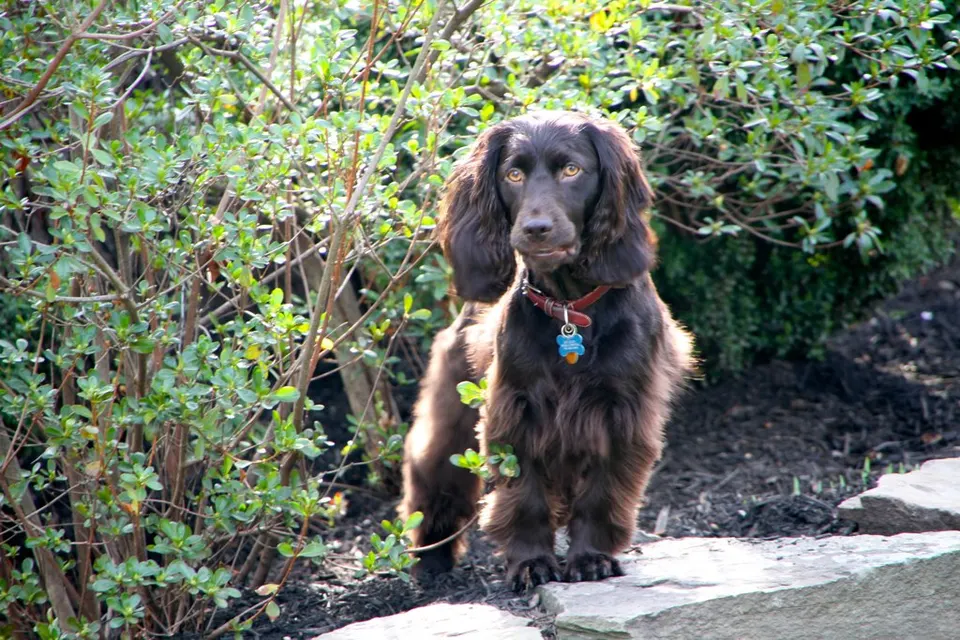
The Boykin Spaniel is the state dog of South Carolina, developed in the early 1900s as a versatile hunting companion for the Wateree River swamp region. This medium-sized spaniel excels at flushing and retrieving waterfowl and wild turkey. Their rich, liver-brown coat is distinctive, and their compact size made them ideal for small boats used in swamp hunting. Beyond the field, Boykin Spaniels are enthusiastic family dogs known for their friendly personalities, intelligence, and adaptability. They maintain a loyal devotion to their families and get along wonderfully with children and other pets.
The Boykin Spaniel is a breed that commands attention not just for its physical appearance but for the depth of personality and capability it brings to a household. With a lifespan averaging 10-15 years, the decision to welcome a Boykin Spaniel into your family is one that will shape your daily routine, activity levels, and emotional life for well over a decade. This breed's friendly, eager, versatile temperament is the product of generations of selective breeding for specific traits—understanding this heritage provides valuable insight into why your Boykin Spaniel behaves the way it does and what it needs from you as an owner to truly thrive.
What sets successful Boykin Spaniel owners apart is a willingness to learn about the breed on its own terms. Rather than expecting their Boykin Spaniel to conform to a generic ideal, they study the animal's inherent characteristics and adjust their approach accordingly. That kind of informed, respectful ownership creates a much better outcome for both the owner and the Boykin Spaniel.
Owning a Boykin Spaniel introduces a layer of structure to your day that can feel demanding at first but often becomes a welcome rhythm. Most experienced Boykin Spaniel owners will tell you that the routine is not the hard part; the hard part is the first few weeks of building it. After that, it feels natural.
Temperament & Personality
The Boykin Spaniel is known for being friendly, eager, versatile.
These dogs do exceptionally well with children and get along wonderfully with other dogs when properly introduced.
The friendly, eager, versatile nature of the Boykin Spaniel is not a simple personality label—it is a complex behavioral profile shaped by breed history, individual genetics, early socialization experiences, and ongoing environmental factors. What this means in practice is that two Boykin Spaniel from different lines, raised in different environments, can display meaningfully different behavioral tendencies while still sharing core breed characteristics.
Common Health Issues
Boykin Spaniels are generally healthy dogs, but like all breeds, they can be prone to certain conditions.
- Exercise-Induced Collapse (EIC): A breed-relevant condition that responsible breeders screen for and owners should be aware of.
- Patellar Luxation: A breed-relevant condition that responsible breeders screen for and owners should be aware of.
- Heart Conditions: A breed-relevant condition that responsible breeders screen for and owners should be aware of.
- Skin Allergies: A breed-relevant condition that responsible breeders screen for and owners should be aware of.
Veterinary Warning Signs
Watch for these signs that require veterinary attention.
- Monitor for exercise-induced collapse symptoms during intense activity
- Check ears frequently for infections, especially after water activities
- Watch for skin allergies and hot spots
Consider Embark DNA testing to screen for breed-specific genetic conditions.
Diet & Nutrition
Active breed formula with quality protein sources. Feed 1.5-2.5 cups daily divided into two meals. Adjust portions based on activity level.
Top Food Choices for Boykin Spaniels
The Farmer's Dog - Fresh, pre-portioned meals | Chewy Autoship - Save on premium food
Housing & Environment
Adaptable to various living situations with adequate exercise. Does best with access to a yard and water for swimming. Can adapt to suburban life with active owners.
Exercise & Activity Requirements
60+ minutes daily of active exercise. Loves swimming, retrieving, and hiking. Thrives in canine sports like dock diving and agility.
Grooming Requirements
Brush 2-3 times weekly. Professional grooming every 6-8 weeks. Keep ears clean and dry, especially after swimming. Regular nail trims.
Cost of Ownership
| Expense Category | Annual Estimate |
|---|---|
| Food (premium quality) | $400-$900 |
| Veterinary Care (routine) | $300-$600 |
| Pet Insurance | $350-$700 |
| Grooming | $100-$400 |
| Supplies & Toys | $150-$350 |
| Total Annual Cost | $1400-$3200 |
Most new Boykin Spaniel owners are surprised by first-year costs. The good news is that subsequent years are more predictable. Just keep in mind that senior Boykin Spaniels may need additional care as they enter the last few years of their 10-15 years lifespan.
Insurance Considerations
EIC and hip dysplasia coverage important. Moderate premium breed at $35-55/month.
Insurance Options
Spot Insurance - Comprehensive breed coverage | Lemonade Pet - Fast, affordable plans
Socialization & Early Training
Early socialization is one of the most important investments you can make in your Boykin Spaniel. Between 3-14 weeks of age, puppies are most receptive to new experiences. Expose your Boykin Spaniel puppy to a wide variety of people, animals, sounds, surfaces, and environments in positive, controlled ways.
These classes provide controlled socialization opportunities while teaching basic manners. Continue socialization throughout your Boykin Spaniel's life with regular outings, new experiences, and positive interactions with people and other animals.
Training a Boykin Spaniel requires consistency, patience, and positive reinforcement.
Finding a Reputable Boykin Spaniel Breeder
When searching for a Boykin Spaniel, prioritize finding a responsible breeder who health-tests their breeding stock, socializes puppies from birth, and answers all your questions.
Alternatively, consider adoption through breed-specific rescue organizations. Many wonderful Boykin Spaniels are looking for second chances.
Daily Life with a Boykin Spaniel
Living with a Boykin Spaniel is a rewarding experience that requires a consistent daily routine. Throughout the day, your Boykin Spaniel will appreciate having access to chew toys and puzzle feeders that provide mental enrichment while you attend to daily activities.
Boykin Spaniels thrive on routine and predictability. Remember that every dog is an individual - pay attention to your specific Boykin Spaniel's signals and adjust the routine to match their energy levels and preferences as they age.
Boykin Spaniels Questions Owners Ask
Are Boykin Spaniels good family dogs?
Yes, Boykin Spaniels are excellent family dogs. Their friendly, eager, versatile nature makes them wonderful companions for active families.
How much exercise does a Boykin Spaniel need?
Boykin Spaniels require 60+ minutes daily of active exercise.
What are the most common health problems in Boykin Spaniels?
The most common health concerns in Boykin Spaniels include Hip Dysplasia, Exercise-Induced Collapse (EIC), Patellar Luxation. Regular veterinary checkups (as recommended by the AVMA for all companion animals), maintaining a healthy weight, and age-appropriate exercise all contribute to a longer, healthier life for your Boykin Spaniel.
How much does it cost to own a Boykin Spaniel?
The initial purchase price for a Boykin Spaniel typically ranges from $1400 to $3200 from a reputable breeder. Emergency veterinary care and breed-specific health issues can add additional costs. Pet insurance is strongly recommended to help manage unexpected medical expenses.
Is a Boykin Spaniel Right for You?
A Boykin Spaniel tends to reveal the payoff of this kind of attention gradually, rather than in a single dramatic moment.
Boykin Spaniel May Be Great For:
- A hunting or high-exercise home that will ask about exercise-induced collapse
- Someone who will clean spaniel ears and keep the dog lean
- An owner who wants a flushing spaniel and has a vet who knows EIC
Boykin Spaniel May Not Be Ideal For:
- A weekend-only athlete. A collapse after hard work is a medical event
- Anyone who skips the EIC DNA test
- A home that wanted a brown couch spaniel
Whether a Boykin Spaniel fits your life comes down to a few practical questions. Is your living space suitable? Can you afford both routine care and the occasional surprise vet bill over the next 10-15 years? If the honest answers line up, a Boykin Spaniel can be a genuinely good match.
A Boykin Spaniel owner's daily list (grooming, vet visits, training) tells you the operational story, not the actual one. The actual one is the bond — a dog that knows you, trusts you, and becomes part of the family unit — and most Boykin Spaniel owners cite that as what carries everything else.
Related Breeds to Consider
Get Personalized Boykin Spaniel Guidance
Have specific questions about your Boykin Spaniel?
Ask Our AI NowDecision Guides for Boykin Spaniel
Use these only when comparing food, insurance, ownership budget, or beginner fit for this specific pet.
The Boykin Spaniel is a flushing spaniel from South Carolina, built to work in water and thick cover. Hip dysplasia and exercise-induced collapse are documented in the breed, and the floppy ears stay damp after a swim and need a regular check. Dry the dog down to the skin, ears included, after a day in the water.