Bouvier Des Flandres
This page is educational reference material for preparing questions. A licensed veterinarian examines the animal, makes the diagnosis, and sets the treatment.
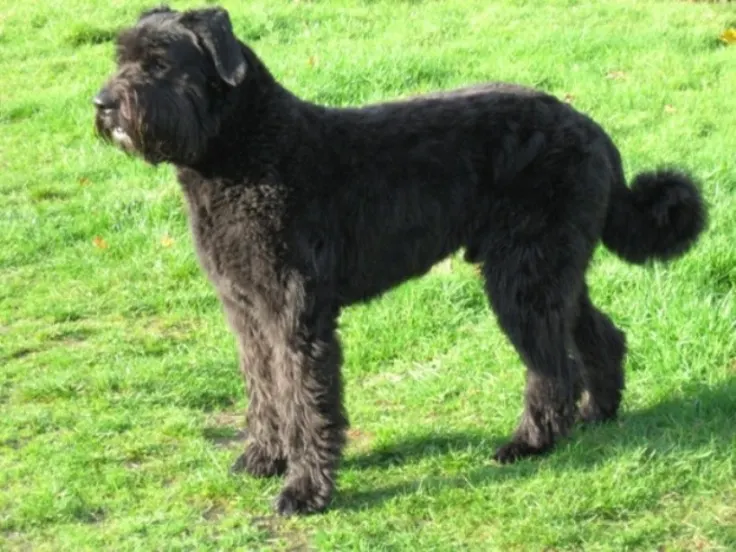
Affiliate links may earn a commission. Affiliate disclosure.
Quick Facts
| Attribute | Details |
|---|---|
| Breed Group | Herding |
| Size | Large (70-110 lbs) |
| Height | 23.5-27.5 inches |
| Lifespan | 10-12 years |
| Temperament | Loyal, Protective, Intelligent |
| Good with Kids | Very Good (with socialization) |
| Good with Other Dogs | Moderate (can be dominant) |
| Shedding | Low (but high grooming needs) |
| Exercise Needs | High (1-2 hours daily) |
| Trainability | Good (needs experienced handler) |
Recommended for Bouviers
The Farmer's Dog - Fresh food for large breeds | Embark DNA - Health screening for genetic conditions | Spot Insurance - Covers hereditary conditions such as hip dysplasia if not pre-existing
Bouvier des Flandres Overview
The Bouvier des Flandres (meaning "Cowherd of Flanders") is a powerful, rugged herding breed from Belgium. Originally developed as an all-purpose farm dog, the Bouvier excelled at cattle herding, cart pulling, and property protection. Their imposing appearance and confident demeanor make them excellent guardians.
Nearly extinct after World War I, the Bouvier was preserved by dedicated breeders. Today, they serve as police dogs, guide dogs for the blind, and devoted family companions. Their distinctive rough coat and beard give them a dignified, almost philosophical appearance.
The Bouvier des Flandres is a breed that commands attention not just for its physical appearance but for the depth of personality and capability it brings to a household. With a lifespan averaging 10-12 years, the decision to welcome a Bouvier des Flandres into your family is one that will shape your daily routine, activity levels, and emotional life for well over a decade. This breed's loyal, protective, intelligent temperament is the product of generations of selective breeding for specific traits—understanding this heritage provides valuable insight into why your Bouvier des Flandres behaves the way it does and what it needs from you as an owner to truly thrive.
The difference between a good Bouvier Des Flandres owner and a great one comes down to understanding what this particular animal actually needs, rather than projecting assumptions based on appearance or general expectations. Every Bouvier Des Flandres has traits rooted in its background that influence behavior, health, and daily care requirements.
A Bouvier des Flandres is a herding dog with a coat that mats to the skin and a body heavy enough to bloat. Hips and a beard that stays wet are daily work. They can be reserved. A shaved Bouvier is not the plan. If you will not comb and train, pick a different herd dog.
Temperament & Personality
Bouviers are known for their calm strength and unwavering loyalty.
- Loyal & Protective: They form deep bonds with their families and are naturally protective without being aggressive.
- Calm & Steady: Despite their size, they're typically calm indoors and don't overreact to situations.
- Intelligent: Quick learners who need mental stimulation and purposeful work.
- Independent: They can think for themselves, which requires an experienced handler.
- Reserved with Strangers: Naturally suspicious of unfamiliar people; excellent watchdogs.
The loyal, protective, intelligent nature of the Bouvier des Flandres is not a simple personality label—it is a complex behavioral profile shaped by breed history, individual genetics, early socialization experiences, and ongoing environmental factors. What this means in practice is that two Bouvier des Flandres from different lines, raised in different environments, can display meaningfully different behavioral tendencies while still sharing core breed characteristics.
Use this as preparatory reading, your vet's adjustments for your individual Bouvier Des Flandres are what actually matter.
Common Health Issues
Bouviers are generally healthy but have some breed-specific concerns.
hip and joint issues
- Hip Dysplasia: Affects approximately 20% of Bouviers. OFA or PennHIP screening recommended before breeding.
- Elbow Dysplasia: Abnormal elbow joint development causing lameness. Screening available.
- Cruciate Ligament Injuries: Large, active dogs can be prone to ACL tears.
Eye Conditions
- Cataracts: Can develop at various ages; hereditary forms exist in the breed.
- Glaucoma: Increased eye pressure that can lead to blindness.
- Entropion: Eyelid rolls inward, causing irritation; may need surgical correction.
Other Concerns
- Bloat (GDV): Life-threatening stomach condition. Deep-chested breeds are at higher risk.
- Hypothyroidism: Underactive thyroid requiring lifelong medication.
- Cancer: Like many large breeds, Bouviers can be prone to various cancers.
- Laryngeal Paralysis: Can affect older dogs, causing breathing difficulties.
Health Screening Recommendation
Before getting a Bouvier, ask breeders for OFA hip/elbow evaluations and eye certifications. Consider Embark DNA testing for comprehensive genetic screening.
For a Bouvier Des Flandres, the most effective health strategy is a consistent one. Owners who approach their Bouvier Des Flandres's health with this level of everyday awareness tend to catch problems earlier and spend less on emergency interventions down the road.
Modern genetic panels offer Bouvier Des Flandres owners a window into breed-specific health risks that were previously invisible until symptoms developed.
Aging in a Bouvier Des Flandres does not happen overnight, and neither should the adjustments to their care.
Cost of Ownership
Understanding the full cost helps prepare for Bouvier ownership.
| Expense Category | Annual Cost Estimate |
|---|---|
| Food (premium quality) | $700-$1,200 |
| Veterinary Care (routine) | $300-$600 |
| Pet Insurance | $500-$900 |
| Grooming | $600-$1,200 |
| Training (first year) | $300-$1,000 |
| Supplies & Toys | $200-$400 |
| Total Annual Cost | $2,600-$5,300 |
Year one hits the wallet hardest. Once those one-time costs are behind you, annual spending drops — though it tends to creep back up as your Bouvier des Flandres ages and needs more frequent veterinary attention in the later years.
Preventive care is not glamorous, but it is the single best investment you can make in your Bouvier des Flandres's health. Routine wellness exams catch problems early, when treatment is simpler and cheaper. Most veterinary professionals agree that consistent preventive care extends both the length and quality of a Bouvier des Flandres's life.
Exercise & Activity Requirements
Bouviers are working dogs that need substantial activity.
- Daily Exercise: 1-2 hours of activity including walks, runs, or structured play
- Mental Work: They thrive with jobs to do - herding, carting, or advanced training
- Dog Sports: Excel at herding trials, tracking, protection sports, and agility
- Hiking Companion: Their stamina makes them excellent hiking partners
- Moderated as Puppies: Avoid high-impact exercise until joints mature (around 18 months)
Training Tips for Bouviers
Bouviers need firm, consistent training from an experienced handler.
- Early Socialization: Critical for this naturally protective breed
- Positive but Firm: They respond to fair, consistent leadership, not harsh methods
- Establish Leadership: They need to respect their handler to follow commands
- Ongoing Training: Benefits from continued training and tasks throughout life
- Puppy Classes: Essential for socialization and basic obedience foundation
Nutrition & Feeding
Proper nutrition supports Bouvier health.
- Large Breed Formula: Choose food designed for large breeds
- Bloat Prevention: Feed multiple smaller meals; avoid exercise around feeding
- Joint Support: Glucosamine and omega-3s support joint health
- Weight Management: Keep them lean to reduce joint stress
- Quality Protein: Active working dogs need adequate protein
Top Food Choices for Bouviers
The Farmer's Dog - Fresh, portion-controlled meals | Ollie - Custom fresh food for large breeds | Hill's Science Diet - Large breed formulas
Diet has a compounding effect on Bouvier des Flandres health. You will not see dramatic changes overnight, but over the course of your Bouvier des Flandres's life, consistent good nutrition makes a measurable difference in energy, mobility, and overall well-being.
First ingredient should be a specific animal protein. The AAFCO nutritional adequacy statement confirms whether the food meets minimum standards. Calorie content per cup helps you portion correctly for your Bouvier des Flandres's size.
Grooming Requirements
The Bouvier's rough coat requires significant maintenance.
- Brushing: 2-3 times weekly to prevent matting
- Professional Grooming: Every 6-8 weeks for trimming and shaping
- Beard Care: Daily cleaning to remove food and debris
- Bathing: Monthly or as needed
- Ear Care: Weekly cleaning; hair may need trimming from ear canals
- Nail Trimming: Every 2-3 weeks
Is a Bouvier des Flandres Right for You?
Bouviers Are Great For:
- Experienced dog owners who understand dominant breeds
- Active families with older children
- Those wanting a protective but not aggressive guard dog
- People with space for a large, active dog
- Those who can commit to grooming and training
Bouviers May Not Be Ideal For:
- First-time dog owners
- Families with very young children (size can be overwhelming)
- Apartment dwellers without adequate exercise options
- Those who want an immediately friendly dog with strangers
- People who can't commit to extensive grooming
Owning a Bouvier des Flandres is a commitment measured in years, not months. If it sounds exhausting, it is worth reconsidering.
Experienced Bouvier des Flandres owners will tell you the same thing: the first year is the hardest, and every year after that gets easier and more enjoyable. By the time your Bouvier des Flandres hits its stride as an adult, you will wonder how you ever lived without one.
Related Breeds to Consider
If you're interested in Bouviers, you might also consider.
- Briard - Similar French herding breed
- Giant Schnauzer - Similar size and temperament
- Black Russian Terrier - Similar appearance and protective nature
- Bearded Collie - Similar coat, friendlier temperament
Ask Our AI About Bouviers
Pet-wide advice is the first draft; the durable version comes from tuning to the individual animal.
Related Health & Care Guides
Small Bouvier Des Flandres care details like this are easy to defer and routinely regretted; the time-return profile is simply better than it looks.
Get Personalized AI Guidance
Ask Our AI NowDecision Guides for Bouvier des Flandres
Use these only when comparing food, insurance, ownership budget, or beginner fit for this specific pet.
Ask the AI Now Small Bouvier Des Flandres care details like this are easy to defer and routinely regretted; the time-return profile is simply better than it looks.
The Bouvier des Flandres is a Belgian cattle dog with a beard, a mustache, and a harsh coat that mats if the beard is left wet. Hips, elbows, glaucoma, and bloat are the health issues to plan for. The dog was bred to move stock and to guard a farm. Daily work and a comb through the furnishings keep the adult easier to live with than an untrained, unbrushed one.