Borzoi
This page is educational reference material for preparing questions. A licensed veterinarian examines the animal, makes the diagnosis, and sets the treatment.
Affiliate links may earn a commission. Affiliate disclosure.
Quick Facts
| Attribute | Details |
|---|---|
| Breed Group | Hound |
| Size | Large (60-105 lbs) |
| Height | 26-28+ inches |
| Lifespan | 9-14 years |
| Temperament | Gentle, Affectionate, Athletic |
| Good with Kids | Good (gentle but large) |
| Good with Other Dogs | Good |
| Shedding | Moderate to High (seasonal) |
| Exercise Needs | Moderate to High (1-2 hours daily) |
| Trainability | Moderate (independent but willing) |
Recommended for Borzois
The Farmer's Dog - Fresh food for large sighthounds | Embark DNA - Cardiac and genetic health screening | Spot Insurance - Coverage for breed-specific conditions
Borzoi Overview
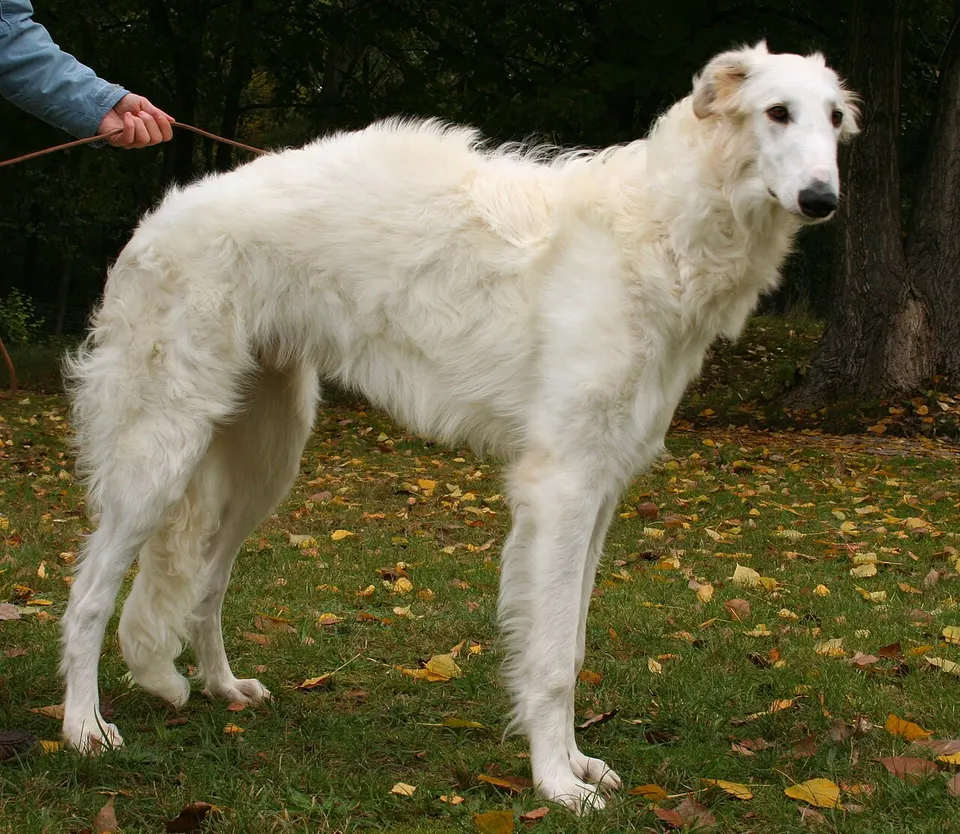
The Borzoi, formerly known as the Russian Wolfhound, was developed by Russian aristocracy to hunt wolves, foxes, and hares across the vast open terrain of Russia. These elegant sighthounds were treasured by the Russian nobility for centuries, with grand hunting parties sometimes featuring hundreds of Borzois.
With their distinctive long, narrow head, graceful silhouette, and flowing silky coat, Borzois combine stunning beauty with remarkable athletic ability. They can reach speeds of 35-40 mph and possess the courage and strength to tackle wolves, yet are gentle and affectionate companions at home.
The Borzoi is a breed that commands attention not just for its physical appearance but for the depth of personality and capability it brings to a household. With a lifespan averaging 9-14 years, the decision to welcome a Borzoi into your family is one that will shape your daily routine, activity levels, and emotional life for well over a decade. This breed's gentle, affectionate, athletic temperament is the product of generations of selective breeding for specific traits—understanding this heritage provides valuable insight into why your Borzoi behaves the way it does and what it needs from you as an owner to truly thrive.
The difference between a good Borzoi owner and a great one comes down to understanding what this particular animal actually needs, rather than projecting assumptions based on appearance or general expectations. Every Borzoi has traits rooted in its background that influence behavior, health, and daily care requirements.
A Borzoi is a tall sighthound. Bloat, thin skin, anesthesia risk, and a chase recall are the ownership. They are not wolfhounds and they are not safe off leash near a road. Ask about heart screening. A sprint and a sofa fit them. Rough play with a heavier dog injures them.
Temperament & Personality
Borzois have a gentle, refined personality.
- Gentle & Affectionate: Despite their size and hunting heritage, they are remarkably sweet and loving with family.
- Quiet & Calm: They rarely bark and are peaceful, dignified house companions.
- Independent: Like most sighthounds, they think for themselves and may seem aloof.
- Sensitive: They are emotionally attuned and dislike harsh treatment or raised voices.
- Cat-like: They often curl up in small spaces, groom themselves, and can be selective about affection.
- Strong Prey Drive: Their hunting heritage means they will chase small animals - secure fencing essential.
The gentle, affectionate, athletic nature of the Borzoi is not a simple personality label—it is a complex behavioral profile shaped by breed history, individual genetics, early socialization experiences, and ongoing environmental factors. What this means in practice is that two Borzoi from different lines, raised in different environments, can display meaningfully different behavioral tendencies while still sharing core breed characteristics.
Common Health Issues
Borzois have some important health considerations.
Major Health Concerns
- Bloat (GDV): Deep-chested breeds are at high risk for gastric torsion, a life-threatening emergency.
- heart conditions: Heart problems including cardiomyopathy can occur. Regular cardiac screening recommended.
- Osteosarcoma: Bone cancer is more common in large breeds like Borzois.
- Progressive Retinal Atrophy (PRA): Can cause vision loss; DNA testing available.
Other Health Considerations
- Anesthesia Sensitivity: Critical - sighthound-appropriate protocols required.
- Hypothyroidism: Can occur; regular thyroid screening recommended.
- Degenerative Myelopathy: Progressive spinal cord disease; DNA testing available.
- Drug Sensitivity: May be sensitive to certain medications and flea/tick preventatives.
Health Screening Recommendation
Request cardiac evaluations, eye certifications, and thyroid testing from breeders. Discuss bloat prevention with your veterinarian. Consider Embark DNA testing for comprehensive genetic screening.
For a Borzoi, the most effective health strategy is a consistent one. Owners who approach their Borzoi's health with this level of everyday awareness tend to catch problems earlier and spend less on emergency interventions down the road.
Modern genetic panels offer Borzoi owners a window into breed-specific health risks that were previously invisible until symptoms developed.
Aging in a Borzoi does not happen overnight, and neither should the adjustments to their care.
Cost of Ownership
Borzois have moderate to high ownership costs due to their size.
| Expense Category | Annual Cost Estimate |
|---|---|
| Food (premium quality) | $700-$1,200 |
| Veterinary Care (routine) | $400-$700 |
| Pet Insurance | $500-$900 |
| Grooming | $200-$500 |
| Training (first year) | $200-$800 |
| Supplies & Toys | $200-$400 |
| Total Annual Cost | $2,200-$4,500 |
Year one hits the wallet hardest. Once those one-time costs are behind you, annual spending drops — though it tends to creep back up as your Borzoi ages and needs more frequent veterinary attention in the later years.
Exercise & Activity Requirements
Borzois need opportunities to run but are otherwise relatively calm.
- Daily Exercise: 1-2 hours of activity including long walks and running opportunities
- Secure Fencing: Minimum 6 feet - they can jump and have intense prey drive
- Lure Coursing: Excellent outlet for their natural hunting drive
- Sprinting Opportunities: They need safe areas to run at full speed periodically
- Couch Potatoes: Despite their athleticism, they love lounging at home between activities
- Cold Tolerant: Their Russian heritage means they handle cold weather well
Training Tips for Borzois
Borzois are intelligent but require patience and understanding.
- Gentle Approach: They are sensitive and respond poorly to harsh methods
- Positive Reinforcement: Use treats, praise, and play as rewards
- Accept Independence: They may understand commands but choose when to comply
- Keep Sessions Short: They bore easily - brief, varied training works best
- Early Socialization: Important for building confidence with various situations
- Never Off-Leash: Their prey drive makes reliable recall virtually impossible
Nutrition & Feeding
Borzois require careful feeding management due to bloat risk.
- Multiple Small Meals: 2-3 meals daily to reduce bloat risk
- Slow Feeding: Use slow feeder bowls to prevent gulping
- Rest After Meals: No vigorous exercise for 1-2 hours after eating
- Quality Protein: Essential for maintaining their lean muscle mass
- Maintain Lean Weight: Extra weight stresses their frame and increases bloat risk
Top Food Choices for Borzois
The Farmer's Dog - Fresh, portion-controlled meals | Ollie - Custom fresh food for your Borzoi's needs | Hill's Science Diet - Large breed formulas
Selecting food for your Borzoi does not need to be complicated. Look past the packaging claims and focus on whether the formula supports your Borzoi's actual needs.
Grooming Requirements
Borzoi grooming is moderate compared to their luxurious appearance: For real-world Borzoi decisions, breed-specific advice routinely outperforms generic pet-care templates.
- Brushing: 2-3 times weekly to prevent mats; daily during shedding seasons
- Bathing: Every 4-6 weeks or as needed
- Mat Prevention: Pay attention to behind ears, legs, and hindquarters
- Nail Trimming: Every 2-3 weeks
- Ear Cleaning: Weekly checks and cleaning
- Dental Care: Daily brushing recommended
Borzois Are Great For:
- Those wanting a gentle, elegant companion
- Quiet households that appreciate a calm indoor dog
- Homes with secure, high fencing and running space
- People who understand sighthound independence
- Lure coursing enthusiasts
Borzois May Not Be Ideal For:
- Homes with small pets (cats, rabbits, small dogs)
- Those wanting an easily trainable, responsive dog
- People without secure fencing
- Small living spaces - they need room to stretch out
- Those wanting off-leash hiking companions
- Families not prepared for their size and exercise needs
Owning a Borzoi is a commitment measured in years, not months. If it sounds exhausting, it is worth reconsidering.
People who live with a Borzoi tend to develop a deep appreciation for the breed's personality — the gentle, affectionate, athletic nature becomes part of the household's rhythm.
Related Breeds to Consider
If you're interested in Borzois, you might also consider.
- Irish Wolfhound - Larger but similarly gentle
- Scottish Deerhound - Similar temperament, wire coat
- Saluki - Smaller sighthound with similar elegance
- Greyhound - Lower maintenance sighthound
Ask Our AI About Borzois
Related Health & Care Guides
When households plan for a Borzoi, the spotlight tends to fall on a few common areas; this item deserves more consideration than it usually receives.
Get Personalized AI Guidance
Ask Our AI NowDecision Guides for Borzoi
Use these only when comparing food, insurance, ownership budget, or beginner fit for this specific pet.
Ask the AI Now When households plan for a Borzoi, the spotlight tends to fall on a few common areas; this item deserves more consideration than it usually receives.
The Borzoi is a Russian sighthound, once called the Russian wolfhound. The chest is deep, so bloat is an emergency to rehearse. Osteosarcoma and heart disease, including dilated cardiomyopathy, are reported in the breed. A Borzoi sight-chases. A fenced field is the safe place to sprint, and a collar plus a leash are the equipment near any road.