Border Collie
This page is educational reference material for preparing questions. A licensed veterinarian examines the animal, makes the diagnosis, and sets the treatment.
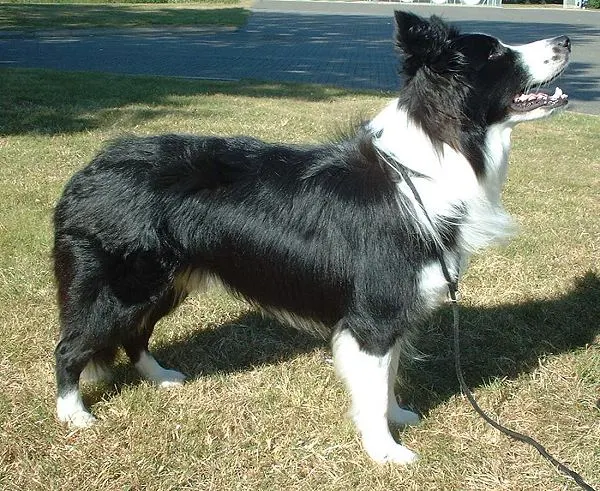
Affiliate links may earn a commission. Affiliate disclosure.
Quick Facts
| Attribute | Details |
|---|---|
| Breed Group | Herding |
| Size | Medium (30-55 lbs) |
| Height | 18-22 inches |
| Lifespan | 12-15 years |
| Temperament | Affectionate, Smart, Energetic |
| Good with Kids | Good (may herd children) |
| Good with Other Dogs | Good (with socialization) |
| Shedding | Moderate-High |
| Exercise Needs | Very High (2+ hours daily) |
| Trainability | Exceptional (most intelligent breed) |
Recommended for Border Collies
The Farmer's Dog - High-protein fresh food for active breeds | Embark DNA - CEA and health screening | Spot Insurance - Coverage for hip dysplasia & eye conditions
Save on Border Collie Care
A border collie that finishes a walk and still stares at the cat has not had a job. Two hours of training, herding, or running is a start, and a puzzle toy is a snack. Trapped neutrophil syndrome and neuronal ceroid lipofuscinosis are fatal and DNA-testable. Ask for those results, plus collie eye anomaly and hip scores, before the puppy is cute enough to skip them.
Top Food Choices for Border Collies
The Farmer's Dog - Fresh, high-protein meals for active dogs | Ollie - Custom fresh food for performance | Hill's Science Diet - Active breed formulas
The smart dog that needs a job by breakfast
Border collies stand about 18 to 22 inches and weigh 30 to 55 pounds. Lifespan is often 12 to 15 years, which is a long time to entertain a dog that learns a trick in three repetitions and then demands a fourth. Two hours of work is a starting point. A puzzle feeder is a snack, not a day.
They bond closely and many are noise-sensitive. Fireworks, a toddler's scream, and a herding lesson that was actually chasing the child are different problems with the same intense dog underneath. Other dogs are fine if the border collie is not allowed to police their movement. Eye contact from this breed can be a threat or a job. Learn which.
Two fatal DNA tests, then the hips
Trapped neutrophil syndrome and neuronal ceroid lipofuscinosis are fatal and DNA-testable. Collie eye anomaly, epilepsy, and hip dysplasia are the rest of the breeder conversation. A cheap puppy with no test results is not a bargain if the puppy is deaf to those diseases. AKC's breed pages are a starting description, not a health guarantee. Limping after a hard frisbee session is the limping page, because these dogs will play through pain.
A first seizure between about six months and five years should be worked up. Cluster seizures, a seizure that does not stop, or more than one in a day is an emergency. Some border collies also carry the ABCB1 mutation, the drug sensitivity collies are known for. Ivermectin, high-dose milbemycin, loperamide, and certain anesthesia drugs can poison a carrier. Ask for the MDR1 result before those drugs are used. A collie-eye exam after the first few months can miss mild choroidal hypoplasia, because pigment fills in. The DNA test, or an exam while the puppy is still young, is the result that counts.
Border collie questions
Can a border collie be a casual pet?
Some pet lines are softer. Most still need a job. If the plan is a weekend hike and a quiet Tuesday, pick a different herding breed or expect a hobby you did not schedule.
What is trapped neutrophil syndrome?
An inherited immune disease, fatal, and detectable with a DNA test. Neuronal ceroid lipofuscinosis is the other fatal test to ask for. Both should be clear in the parents.
Do they herd children?
Yes. Nipping heels is herding. It is not a phase you wait out. Give the dog sheep, a sport, or a trainer, and do not let the child be the flock.
Decision Guides for Border Collie
Use these only when comparing food, insurance, ownership budget, or beginner fit for this specific pet.